


Brenda John Maigari
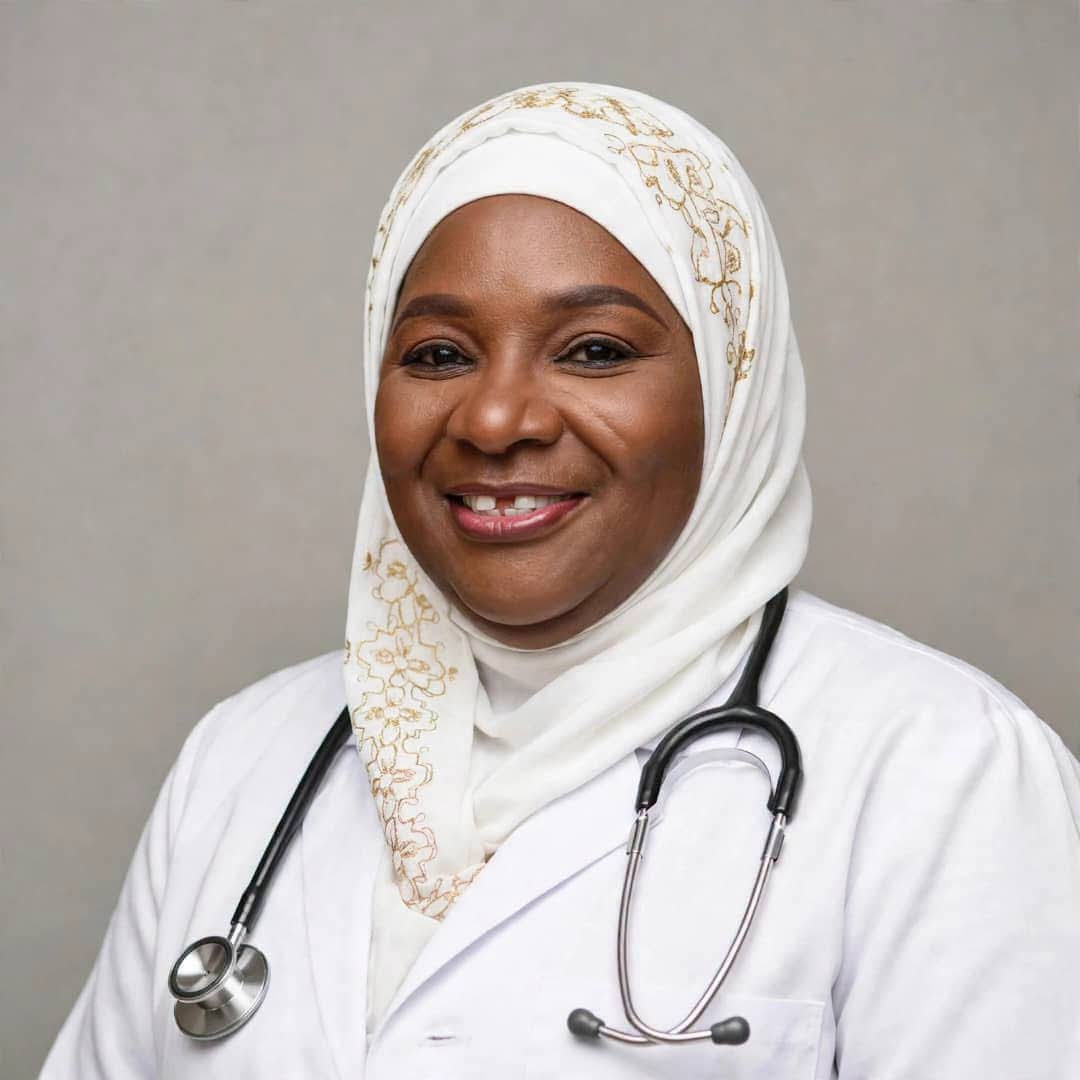
In Nigeria’s evolving public service landscape, Dr. Hadiza Sabuwa Balarabe stands out as a medical doctor whose career has spanned clinical practice, public health administration, institutional development and executive leadership.
Read also: Beyond Bricks and Mortar: The Human Architecture of the Renewed Hope Housing Agenda
As the Deputy Governor of Kaduna State, she represents a blend of medical expertise and governance experience that deserves consideration in discussions about leadership in Nigeria’s health sector.
For more than a decade, Dr. Balarabe has occupied positions that have exposed her to the practical realities of healthcare delivery and the complexities of public administration.
From her work in the Federal Capital Territory to her responsibilities in Kaduna State, her professional journey raises an important question: should Nigeria draw more deliberately on the experience of leaders who have worked at the intersection of healthcare and government?

For President Bola Ahmed Tinubu, whose administration has identified health sector reform as a component of its development agenda, Dr. Balarabe’s experience presents a case worth examining as the country considers leadership options for the Federal Ministry of Health and Social Welfare.
From Medicine to Public Administration
Born on August 26, 1966, in Sanga Local Government Area of Kaduna State, Dr. Balarabe trained as a medical doctor at the University of Maiduguri, where she obtained her MBBS degree.
Her professional career took her through various responsibilities in healthcare, culminating in her appointment as Director of Public Health in the Federal Capital Territory in 2014.
That experience provided exposure to public health planning, disease prevention, health promotion and the administrative demands of delivering essential services.
She subsequently served as Executive Secretary of the Kaduna State Primary Health Care Development Agency, a position that placed her at the centre of efforts to strengthen primary healthcare across the state.
Primary healthcare remains the foundation of an effective health system. It is often the first point of contact for pregnant women, children, rural communities and families who cannot afford expensive specialist services. Expanding access to functional primary healthcare facilities is therefore essential to reducing preventable deaths and improving health outcomes.
Under her leadership, Kaduna State pursued the expansion of primary healthcare services across its 255 wards. The experience gained from coordinating such initiatives is relevant to national discussions on universal health coverage, primary healthcare revitalisation and equitable access to essential health services.
Breaking Barriers in Leadership
In 2019, Dr. Balarabe made history as Kaduna State’s first female Deputy Governor, serving alongside Governor Nasir El-Rufai. She retained the position following the 2023 governorship election under Governor Uba Sani.
Her continued presence in the state’s executive leadership reflects the importance of institutional experience and continuity in public administration, although the performance of any administration must ultimately be assessed against verifiable outcomes.
Another notable milestone came on October 15, 2019, when she reportedly became the first woman in Northern Nigeria to present a state budget while acting as governor of Kaduna State.
The significance of such milestones extends beyond symbolism. Women’s participation in executive decision-making can broaden representation and contribute valuable perspectives to policies affecting families, maternal health, girls’ education and economic inclusion.
However, representation must be accompanied by measurable results. The strongest argument for appointing women to senior public offices rests not only on breaking barriers but also on their qualifications, experience, integrity and capacity to deliver.
Healthcare Delivery: Experience That Matters
One of the strongest arguments for considering Dr. Balarabe for a federal health portfolio is her background in healthcare administration.
Nigeria continues to face major challenges, including maternal and newborn mortality, inadequate access to quality primary healthcare, high out-of-pocket medical expenses, shortages of health workers and unequal access to essential services.
Addressing these challenges requires more than policy declarations. It demands leaders who understand how healthcare institutions operate, how resources are allocated and how national programmes can be translated into effective services at the community level.
Dr. Balarabe’s experience in Kaduna’s primary healthcare system provides a basis for assessing her capacity to contribute to these priorities.
Her public-service record has been associated with efforts to expand access to health insurance, strengthen responses to public health emergencies and improve the delivery of essential services. The reported support provided to vulnerable residents through the Kaduna State Health Insurance Scheme is particularly relevant to national efforts to reduce financial barriers to healthcare.
Her involvement in initiatives addressing sexual and gender-based violence also reflects the connection between healthcare, social protection and access to justice.
Mental health is another area requiring sustained national attention. Integrating mental health services into primary healthcare, where supported by appropriate legislation, trained personnel and funding, can help make treatment more accessible and reduce the stigma associated with mental illness.
Read also: New Tax Regime to Strengthen Tax Administration, Curb Multiple Taxation — NRS
These are areas in which a leader with medical training and administrative experience could contribute to policy development and implementation at the federal level.
Nevertheless, any assessment of her suitability should be supported by independently verified evidence of programme outcomes, including the number of people reached, the quality of services delivered and the sustainability of the interventions.
Peace, Education and Women’s Economic Empowerment
Dr. Balarabe’s responsibilities have extended beyond the health sector.
In Kaduna State, she has been associated with peacebuilding and security coordination efforts, including initiatives intended to address communal tensions and strengthen dialogue among affected communities.
The reported number of peace agreements facilitated under these initiatives would benefit from independent verification. More importantly, their effectiveness should be measured by the durability of agreements, the reduction of violence and the restoration of confidence among affected communities.
Her involvement in programmes supporting girls’ education and women’s economic empowerment also reflects the relationship between health, education, household income and social development.
Girls who remain in school are better positioned to access information, pursue economic opportunities and make informed decisions about their health and future. Similarly, women’s economic empowerment can improve household welfare and reduce some of the financial barriers that prevent families from accessing healthcare.
These connections are important in designing policies that recognise health as part of a broader development framework rather than an isolated sector.
Why Federal Health Leadership Deserves Careful Consideration
The Federal Ministry of Health and Social Welfare occupies a strategic position in Nigeria’s development. Its responsibilities include coordinating national health policies, strengthening healthcare institutions, supporting disease prevention and expanding access to essential services.
Leadership of such a ministry requires a combination of technical understanding, administrative competence, political coordination and the ability to work with state governments, professional associations, development partners and civil society.
Dr. Balarabe’s medical background and experience in public administration offer relevant qualifications for consideration in this context.
Her previous responsibilities at the FCT and state levels could provide useful insight into the challenges of implementing national policies across different administrative settings. Her experience in primary healthcare is particularly pertinent because many of Nigeria’s most persistent health challenges are experienced at the community level.
If appointed Minister of State for Health and Social Welfare, she would also need to work effectively within the ministry’s leadership structure, align her priorities with national health sector reforms and demonstrate measurable progress against agreed targets.
Such a role would require a clear understanding of existing federal programmes, effective coordination with the supervising minister and a commitment to transparent, evidence-based decision-making.
The case for her consideration should therefore rest on a careful assessment of her professional record, demonstrated achievements, policy priorities and capacity to contribute to national health objectives.
A Call for Merit-Based Consideration
President Bola Ahmed Tinubu has an opportunity to draw on the experience of qualified professionals and public administrators in advancing Nigeria’s health sector reforms.
In making appointments to strategic positions, competence, relevant experience, integrity, performance and the ability to deliver measurable results should remain central considerations.
Dr. Hadiza Sabuwa Balarabe’s career brings together medical training, public health administration and executive governance. These are relevant attributes in a country seeking to improve primary healthcare, strengthen health insurance coverage and reduce preventable maternal and child deaths.
Her experience merits serious consideration in any discussion about candidates for federal health leadership, including the position of Minister of State for Health and Social Welfare.
Ultimately, the objective should be to ensure that appointments to the health ministry produce tangible benefits for Nigerians, particularly vulnerable populations who depend on accessible and affordable healthcare.
Nigeria needs leaders who can bridge the gap between policy formulation and service delivery, translate public investment into better outcomes and build institutions capable of responding to the country’s evolving health challenges.
Dr. Balarabe’s record provides a basis for that discussion. A transparent assessment of her achievements, alongside those of other qualified candidates, would help ensure that the decision serves the broader national interest.
Read also: FG Disburses ₦249.6bn to BHCF in Three Years-Minister
The central question is not simply who deserves a higher office, but who possesses the experience, competence and vision to help deliver a healthier Nigeria.
Kaduna Political Affairs