


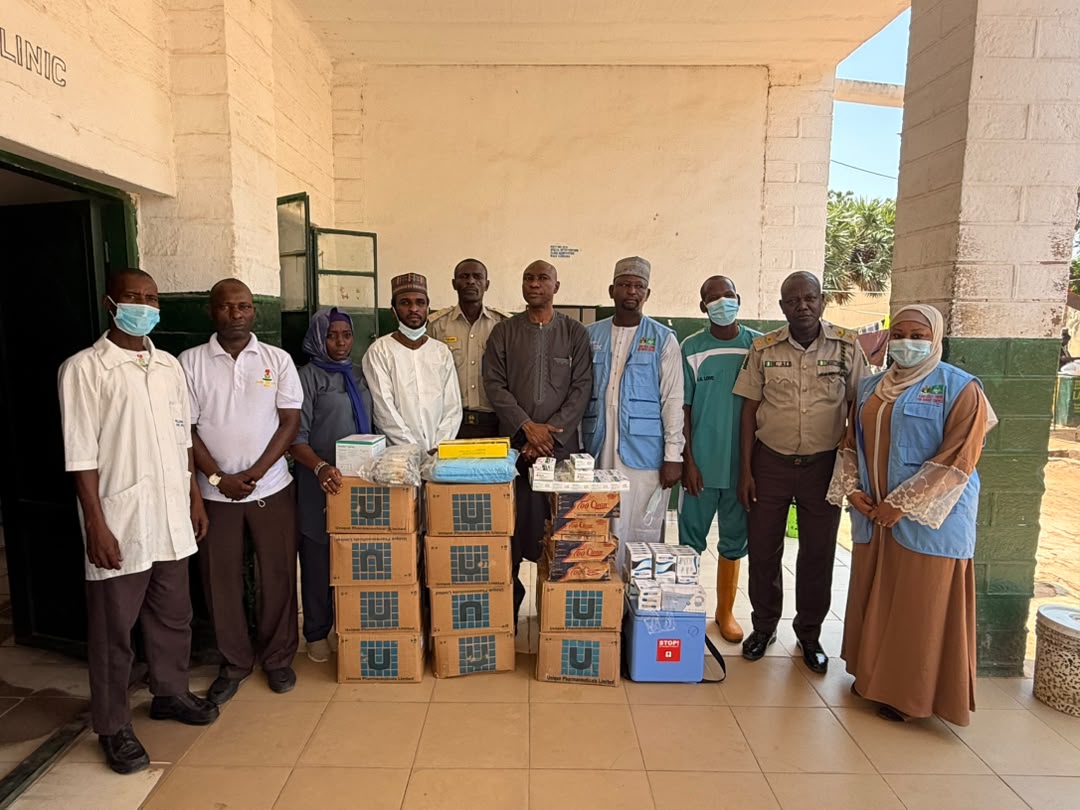
The recent cholera outbreak at the Kurmawa Medium Security Custodial Centre in Kano State, which claimed two lives, has renewed concerns about the spread of waterborne diseases and the urgent need to strengthen public health measures across the state.
Although the Nigerian Correctional Service (NCoS) has confirmed that the outbreak has been contained, the incident highlights the dangers of cholera and the importance of access to clean water, proper sanitation and timely medical intervention.
Read also: WOFAN Turns Years of Hardship into Renewed Hope for Spinal Cord Patient in Jigawa
According to the World Health Organization (WHO), cholera is an acute diarrhoeal disease that can become fatal within hours if left untreated.
The disease is caused by the bacterium Vibrio cholerae and is primarily transmitted through the consumption of contaminated food or water.
The WHO estimates that cholera causes between 1.3 million and 4 million cases and between 21,000 and 143,000 deaths worldwide annually, underscoring its continuing threat to global public health.

The outbreak at Kurmawa Custodial Centre was first detected on September 17, 2026, after an inmate developed vomiting and diarrhoea. Laboratory investigations conducted on September 23, in collaboration with Kano State public health authorities, confirmed the outbreak.
Two deaths were subsequently recorded, with one inmate dying at the facility and another at the Kano State Infectious Diseases Hospital.
Following the confirmation, the Controller-General of Corrections, Sylvester Nwakuche, ordered the immediate activation of emergency medical protocols, including intensified treatment, disease surveillance and preventive measures.
The NCoS later announced that the outbreak had been contained, with no additional deaths recorded. The Controller-General also directed senior medical personnel from the Service’s National Headquarters to visit the facility for continued monitoring.
In a demonstration of intergovernmental cooperation, the Kano State Centre for Disease Control (KNCDC), under the leadership of Professor Muhammad Adamu Abbas, visited the custodial centre and donated essential medical supplies.
The items included 10 cartons of Ringer’s lactate intravenous fluids, four cartons of soap, 20 packs of doxycycline capsules, chlorine powder, protective aprons, syringes, oral rehydration salts (ORS) and intravenous giving sets.
The intervention was aimed at supporting treatment and strengthening infection prevention at the facility.
The WHO warns that cholera can cause severe dehydration and death if treatment is delayed. However, most infected people experience mild or no symptoms, while those who develop symptoms can often recover with prompt treatment.
The organisation emphasises that early access to oral rehydration solution is essential, while patients with severe dehydration require urgent intravenous fluids, ORS and, where medically indicated, antibiotics.
The outbreak has also highlighted the vulnerability of crowded environments, including correctional facilities, where inadequate access to clean water, sanitation and hygiene can increase the risk of disease transmission.
Although the specific cause of the Kurmawa outbreak has not been publicly established, the incident reinforces the importance of maintaining proper hygiene, safe drinking water and effective disease surveillance in institutions and communities.
One of the most effective ways to prevent cholera is to ensure access to safe drinking water. Residents should boil water from questionable sources or use approved water-treatment products according to the manufacturer’s instructions.
Read also: NSC Inaugurates Four Sports Federation Boards
Treated water should be stored in clean, tightly covered containers to prevent contamination.
The WHO identifies access to safe water and basic sanitation as essential measures for preventing cholera and other waterborne diseases.
Proper handwashing is equally important in preventing infection. Residents should wash their hands thoroughly with soap and safe water after using the toilet, before preparing food, before eating and after handling waste. Households, schools, markets and public institutions should provide accessible handwashing facilities.
Regular hand hygiene can significantly reduce the risk of transmitting cholera-causing bacteria.
Food hygiene is another critical component of cholera prevention. Residents should thoroughly cook food, eat it while hot and wash fruits and vegetables with safe water. Food vendors and restaurant operators should maintain clean cooking environments, protect food from contamination and ensure that utensils are properly washed.
The WHO also recommends safe food preparation and storage as important measures for reducing cholera transmission.
Environmental sanitation remains essential to controlling the disease. Communities should ensure the proper disposal of human waste and refuse, maintain clean toilets and prevent sewage from contaminating drinking water sources.
Open defecation should be discouraged, while local authorities should strengthen waste management and sanitation programmes, particularly in densely populated communities where inadequate facilities can increase public health risks.
The WHO stresses that prompt treatment is crucial because cholera can cause rapid fluid loss. Anyone experiencing sudden, severe watery diarrhoea or vomiting should seek medical attention immediately.
ORS should be administered promptly to replace lost fluids while the patient is taken to a health facility. Severe cases require urgent medical attention and may need intravenous fluids and antibiotics prescribed by healthcare professionals. Early treatment can significantly reduce the risk of death.
Oral cholera vaccination is another important tool for preventing and controlling outbreaks. According to the WHO, oral cholera vaccines can help protect vulnerable populations and reduce transmission, particularly in areas experiencing outbreaks or at high risk.
However, vaccination must complement, rather than replace, access to safe water, proper sanitation and good hygiene. Public health authorities should provide guidance on vaccination campaigns and eligibility.
The Kano State Government, the KNCDC and relevant federal agencies have an important role in sustaining surveillance, improving sanitation infrastructure and ensuring that healthcare facilities are adequately equipped to respond to suspected cases.
The WHO recommends strong epidemiological and laboratory surveillance to detect outbreaks early and guide emergency responses. Continued collaboration between the NCoS and Kano State health authorities will also be essential to protecting inmates and preventing further infections.
Although the cholera outbreak at Kurmawa Custodial Centre has been declared contained, the two deaths recorded serve as a reminder of the potentially devastating consequences of the disease.
Read also: Halt Registration Fees Before Businesses Suffer-Phone Traders to FG
The WHO’s guidance makes clear that cholera is both preventable and treatable when communities have access to safe water, sanitation, vaccination and timely healthcare.
Preventing future outbreaks in Kano will require sustained government intervention, public awareness and collective responsibility among residents, community leaders and healthcare institutions.