


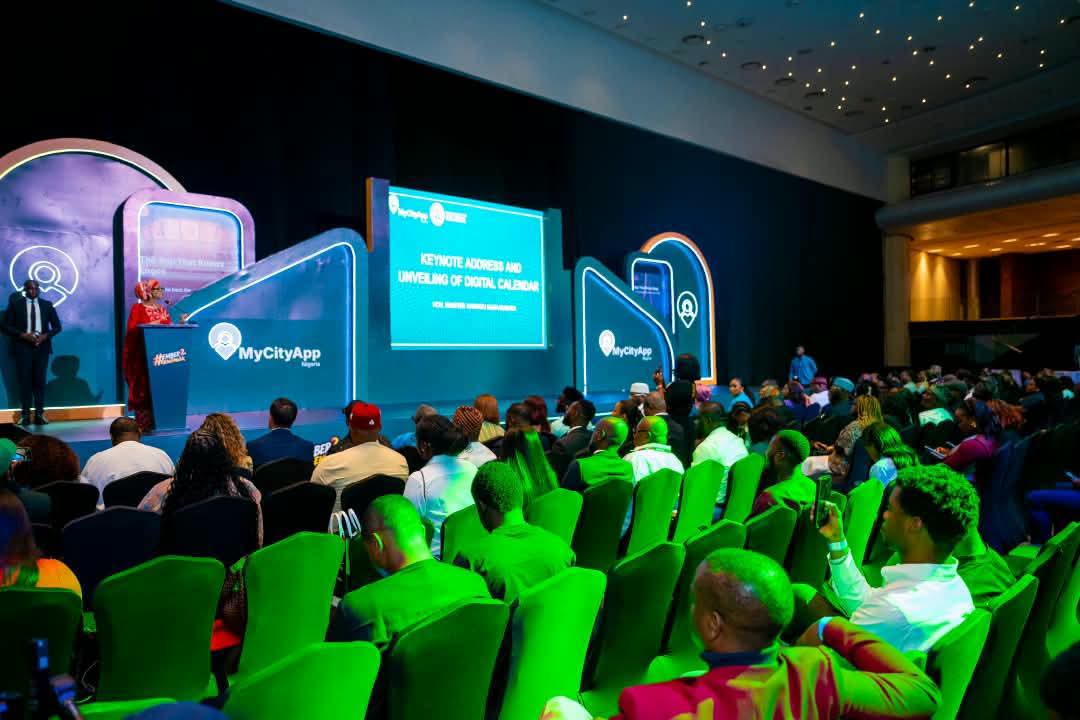
The Lagos State Government has joined government officials, private-sector leaders and stakeholders in the creative and tourism industries to explore strategies for unlocking the economic potential of Nigeria’s creative economy.
The Special Adviser to the Lagos State Governor on Tourism, Arts and Culture, Mr. Idris Aregbe, alongside the Permanent Secretary of the Ministry, Mrs. Bopo Oyekan-Ismaila, represented the state at the Private Sector and National Stakeholders Conference at Eko Hotel and Suites, Victoria Island, Lagos.
Read also: Lagos Upgrades Yaba Centre for Medical Training
The conference was convened by MyCityApp Nigeria in partnership with the Federal Ministry of Arts, Culture, Tourism and the Creative Economy.
With the theme, “From Celebration to Economic Growth: Unlocking Nigeria’s $100 Billion Creative Economy,” the conference focused on strategies for transforming Nigeria’s cultural and creative assets into measurable economic growth, investment and employment opportunities.
Read also: Explain Why NDC Kano Candidates Are Missing from Final List-Kwankwasiyya to INEC
Participants examined opportunities for strengthening collaboration between government and the private sector, building capacity and creating an enabling environment for the expansion of the creative and tourism industries.
The Lagos State Ministry of Tourism, Arts and Culture said the discussions align with the objectives of the T.H.E.M.E.S+ Agenda of the Lagos State Government under Governor Babajide Olusola Sanwo-Olu, particularly its focus on developing the creative economy, creating jobs and positioning Lagos as a leading hub for arts, culture and tourism in Africa.
Read also: Respect Nigerians’ Right to Peaceful Protest-CITAD to Police
The ministry said Lagos State’s participation underscored its commitment to collaborating with federal agencies and private-sector partners to unlock investment opportunities and scale the creative industry.
It added that sustained partnerships among stakeholders would be critical to achieving Nigeria’s ambition of developing a $100 billion creative economy.