


Sadiq S. Malami
On Saturday, 13th November, the three-day Expanded Inter-Agency Coordination Committee (ICC) meeting on immunization concluded with a major step toward strengthening Nigeria’s accountability ecosystem.
Read also: Farm Financing Takes Centre Stage As NADF Meets NIRSAL
During his final reflections on Day 3, the Africa Health Budget Network (AHBN) Coordinator, Dr. Aminu Magashi Garba, presented a collective recommendation on behalf of civil society organizations (CSOs; AHBN, VNDC, WAVA and AFENET) : that the ICC formally endorse a biannual CSO accountability reporting mechanism to provide independent review, track commitments, progress and offer perspectives beyond government, Gavi and alliance and partners.
Through the courageous, bold and collaborative voice of the Coordinating Minister of Health chairing the meeting, the ICC endorsed the recommendation for the biannual reporting commencing from 2026.
Read also: Falgore Salutes Kwankwaso, Describes Him as a Beacon of Hope

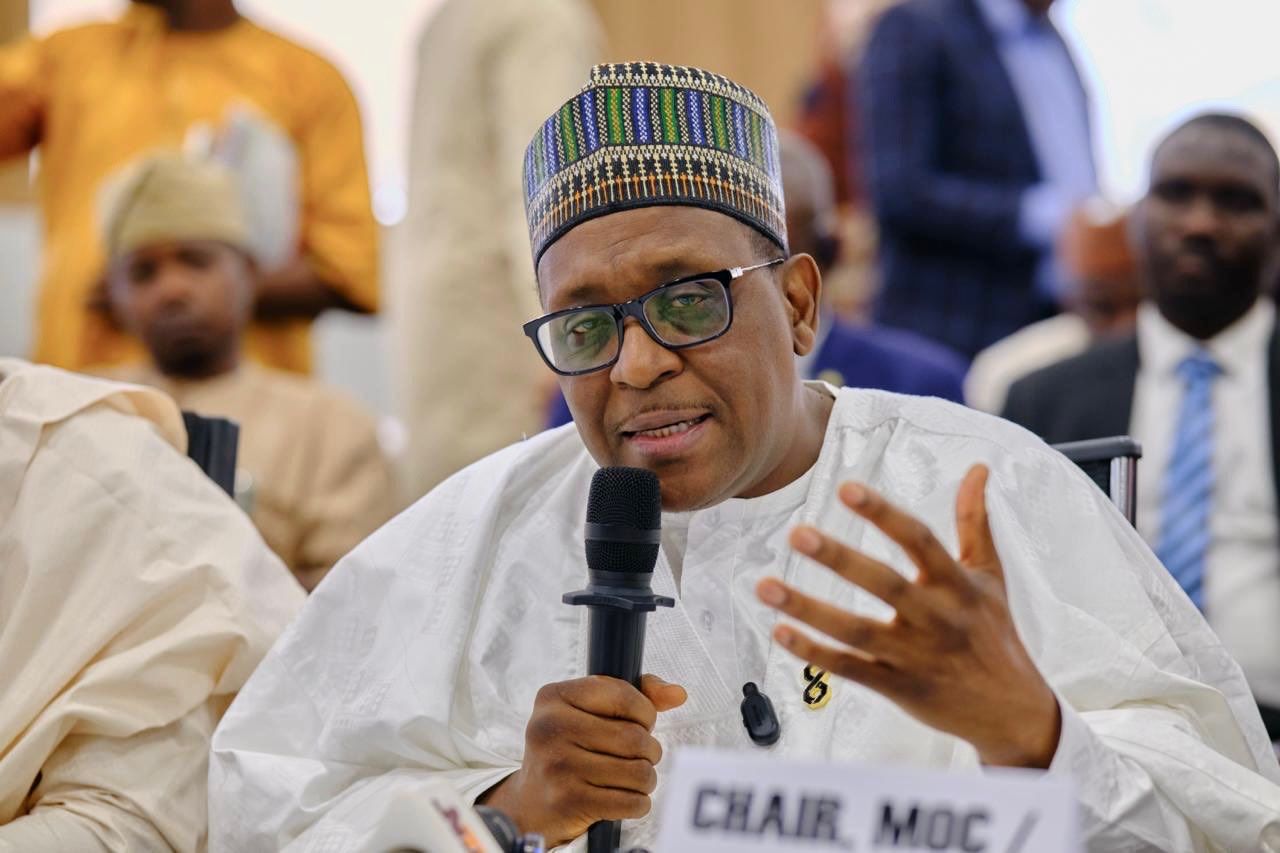
The three days ICC meetings were chaired by the Coordinating Minister of Health and Social Welfare, Prof. Muhammad Ali Pate, who emphasized data-driven performance, improved coordination, and shared responsibility and mutual accountability across government and partners.
Present at the meeting were the leadership of the NPHCDA, Federal Ministry of Health, Gavi, UNICEF, World Bank, WHO, Gates Foundation, among others.
CSOs were represented by Dr. Aminu Magashi Garba of AHBN, Madam Chika Offor of the Vaccine Network for Disease Control (VNDC), Dr. Endie Waziri of AFENET, and Dr. Chizoba Wonodi of WAVA.
Read also: Gombe Strengthens Fight Against River Blindness
Central to the discussions was the Mutual Accountability Framework (AF 3.0), made up of 14 indicators categorized into four key areas:
·Core Indicators
·Programmatic Performance Indicators
·Health Financing Indicators
·Alliance Indicators