

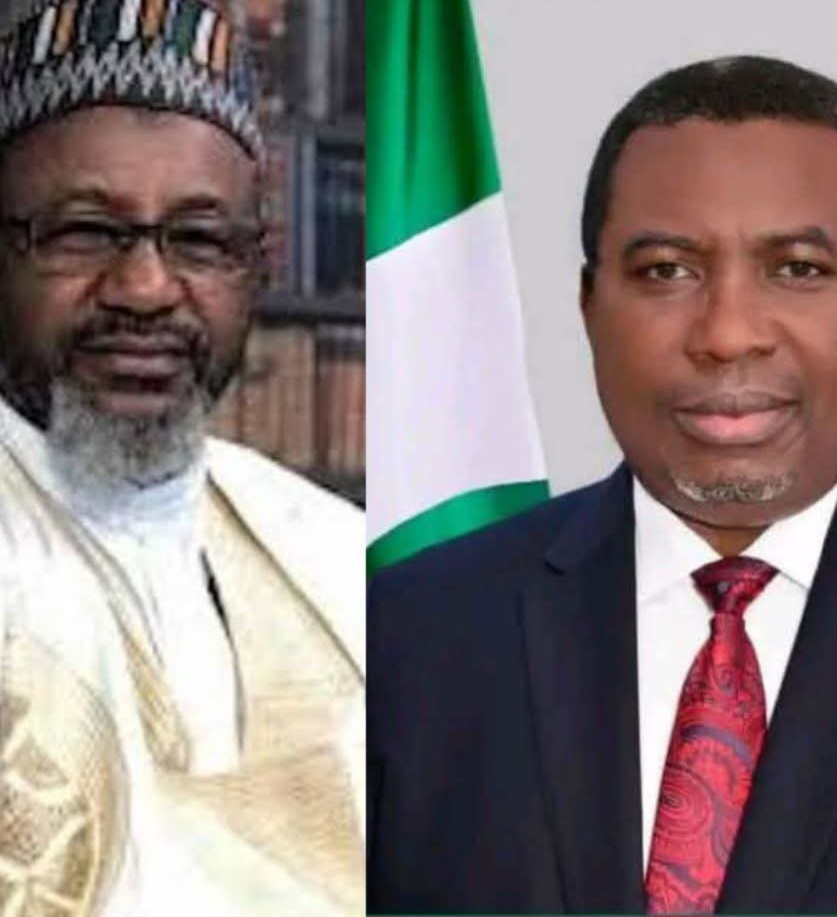
The Supreme Council for Shari’ah in Nigeria (SCSN) has clarified its recent call for the removal and prosecution of the Chairman of the Independent National Electoral Commission (INEC), Prof. Joash Ojo Amupitan, insisting that the demand is based on concerns about impartiality and national interest, not religious sentiment.
In a press statement signed by its Secretary-General, Malam Nafi’u Baba-Ahmad, and dated February 2, 2026, the council said its position had been widely misrepresented following its pre-Ramadan conference held on January 28, 2026.
The conference had resolved that Prof. Amupitan should step aside and face investigation over what the council described as actions that could undermine public confidence in the electoral process.

According to the SCSN, its concerns stem from an alleged legal brief authored by Prof. Amupitan in 2020, in which Nigeria was reportedly portrayed to foreign audiences as experiencing a “Christian genocide.”
The council described the claims in the document as “toxic and provocative,” alleging that it linked contemporary insecurity in northern Nigeria to the 19th-century jihad of Sheikh Uthman dan Fodio and framed the country as facing religious extermination.
The council said the narrative caused embarrassment to Nigeria, damaged its international reputation, imposed financial costs through efforts to counter the claims, and encouraged foreign interference in the country’s internal affairs.
“In any responsible society, such actions would attract resignation or removal from office,” the council stated, arguing that the allegations compromised the neutrality expected of the head of Nigeria’s electoral umpire.
The SCSN rejected what it described as “fabricated genocide claims,” noting that available data indicate Muslims constitute the majority of victims of violence across the country.

It maintained that Nigeria’s security challenges are driven by terrorism, banditry, criminality and governance failures, rather than religious persecution.
The council also dismissed accusations of religious intolerance, stressing that it has never opposed the appointment of Christians to public office on the basis of faith.
“Most INEC chairmen in Nigeria’s history have been Christians, and Muslims never mobilised against them,” the statement said.
The SCSN urged Nigerians, particularly Christians, not to be swayed by what it termed divisive narratives, reaffirming the Muslim Ummah’s commitment to peaceful coexistence, mutual respect and justice.
It called on the appropriate constitutional bodies to address the matter through due process, adding that accountability remains essential to safeguarding electoral integrity and national unity.