
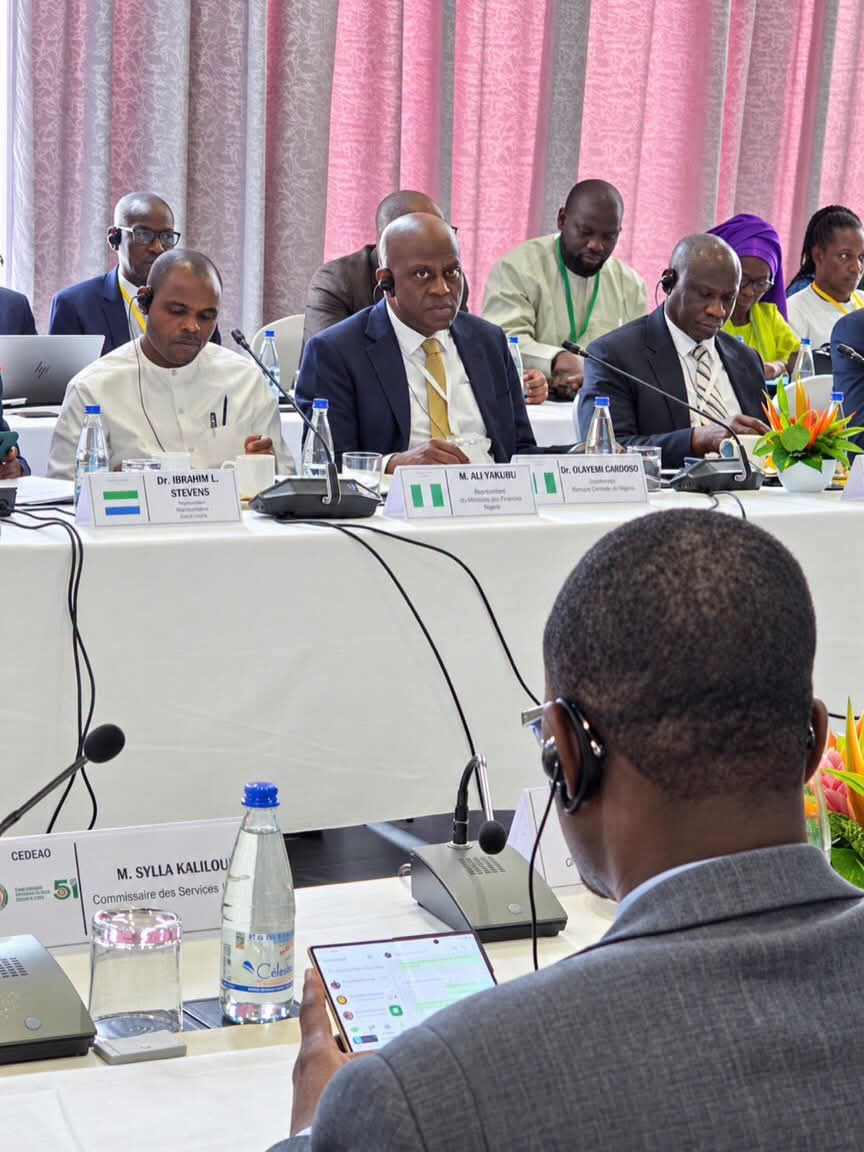
The Governor of the Central Bank of Nigeria (CBN), Mr Olayemi Cardoso, has called for equity, fairness and proportional representation in the governance structure of the proposed Economic Community of West African States (ECOWAS) Monetary Union.
Cardoso stressed that the financial contributions and responsibilities of member states must be matched by meaningful participation in decision-making to ensure the credibility and long-term sustainability of the proposed regional monetary arrangement.
Read also: 67th NCH: Stakeholders Seek Sustainable Health Financing
He made the call on Friday, November 20, 2026, in Abidjan, Côte d’Ivoire, while speaking at the 6th Presidential Task Force Meeting on the ECOWAS Single Currency Programme.
The CBN Governor said decisions taken at the current stage of the integration process would have far-reaching implications for the credibility of the proposed Union, its relationship with investors and development partners, and the confidence of member states.
“The decisions we take today will shape the future of the Union for decades to come. They will influence its credibility in the eyes of investors and development partners, its legitimacy in the eyes of our citizens, and the confidence of Member States that their commitments are being matched by a meaningful voice within the institutions they are helping to build,” he said.
Reiterating Nigeria’s commitment to regional economic integration, Cardoso said the country remained supportive of efforts to establish the ECO as a common currency for West Africa.
He maintained that Nigeria’s position was guided by solidarity, fairness and respect for the sovereignty of other member states.
Read also: When Reporting Becomes Risky: NUJ, FG Seek Stronger Protection for Journalists in North-West
“Nigeria has and will continue to demonstrate solidarity and fairness, respecting the sovereignty of other member states. We remain fully committed to the successful establishment of the ECO and to a Monetary Union that is credible, sustainable and beneficial to all Member States,” he stated.
Cardoso further emphasised the need for governance arrangements that recognise the financial responsibilities, economic contributions and systemic importance of member states within the proposed monetary union.
According to him, countries carrying a greater share of the financial burden should have commensurate representation in the institutions responsible for managing the Union.
He noted that larger economies would need to justify their substantial financial commitments before their respective parliaments and civil society, making equitable representation essential to sustaining public confidence and political support.
“Where obligations are shared but influence is not, arrangements may be agreed, but their long-term sustainability may be difficult to guarantee,” Cardoso cautioned.
He clarified that Nigeria’s position was not based on dominance or entitlement but on its responsibility as West Africa’s largest economy and one of the principal contributors to the proposed monetary union.
Read also: NCS, NAFDAC Strengthen Collaboration Against Fake Drugs
The ECOWAS Single Currency Programme is part of broader regional integration efforts aimed at strengthening economic cooperation, facilitating trade and investment, and promoting monetary stability among member states.
The meeting focused on accelerating efforts towards the establishment of the proposed common currency and addressing key institutional and governance issues critical to the successful implementation of the Monetary Union.