


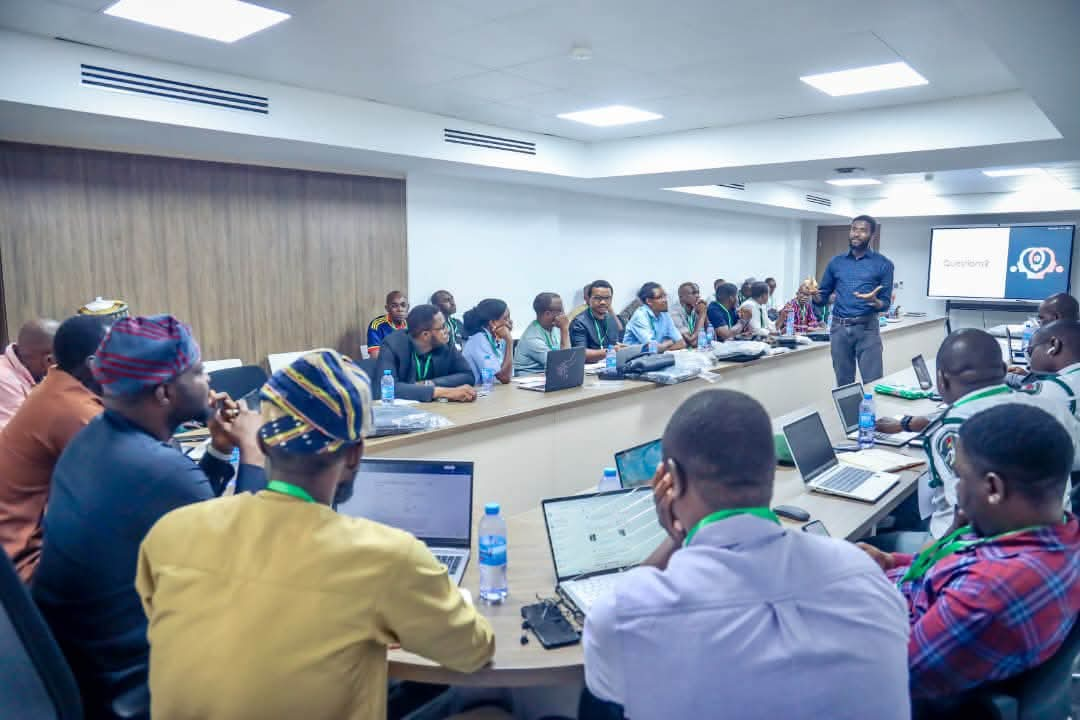
The National Information Technology Development Agency (NITDA) has commenced efforts to migrate government Ministries, Departments and Agencies (MDAs) from Internet Protocol version 4 (IPv4) to Internet Protocol version 6 (IPv6) to strengthen Nigeria’s digital infrastructure and improve public service delivery.
The initiative is aimed at expanding the capacity of government digital services, enhancing the reliability of online platforms and supporting the implementation of the National Sovereign Cloud Initiative.
Read also: Kano NMA Hails Abba Yusuf’s Efforts to Improve Healthcare
Speaking at the opening of an IPv6 migration readiness workshop in Abuja, the representative of NITDA’s Director-General, Mr Kashifu Inuwa, Mr Oladejo Olawumi, described the transition as a critical step towards modernising government digital infrastructure.
Mr Olawumi explained that the growing number of internet-connected devices and digital services had placed increasing pressure on the existing IPv4 system, making the adoption of IPv6 necessary to accommodate future digital expansion.
He noted that IPv6 provides a significantly larger pool of internet addresses, enabling government institutions to support more connected devices and deliver digital services more efficiently.

According to him, the transition is expected to improve access to public services by enabling citizens to complete more government transactions online, thereby reducing the need for physical visits to government offices.
Read also: Tinubu Hails Mustapha Abdullahi on NBBF Presidency
The workshop adopts a two-pronged approach designed to build institutional capacity and strengthen technical expertise across government agencies.
Under the programme, executive-level officials will receive training on the governance, leadership and policy considerations required to support successful IPv6 migration within their respective institutions.
Information technology personnel, on the other hand, will benefit from advanced technical training and fully funded professional certification programmes to equip them with the skills needed to implement and manage the transition.
The training is being facilitated by industry experts, including the Chairman of the IPv6 Council of Nigeria, Mr Mohamed Rudman.
Read also: World Habitat Day: FMBN Unveils New Housing Products
The initiative underscores the importance of investing in digital skills and institutional readiness as Nigeria works towards building a more efficient, secure and sustainable digital public service system.
The migration from IPv4 to IPv6 is expected to provide government institutions with the technical foundation required to accommodate growing digital demands and support the country’s broader digital transformation agenda.