


Trafficking and exploitation, smuggling through dangerous desert and sea routes, detention, extortion and document fraud have been identified as some of the major risks associated with irregular migration.
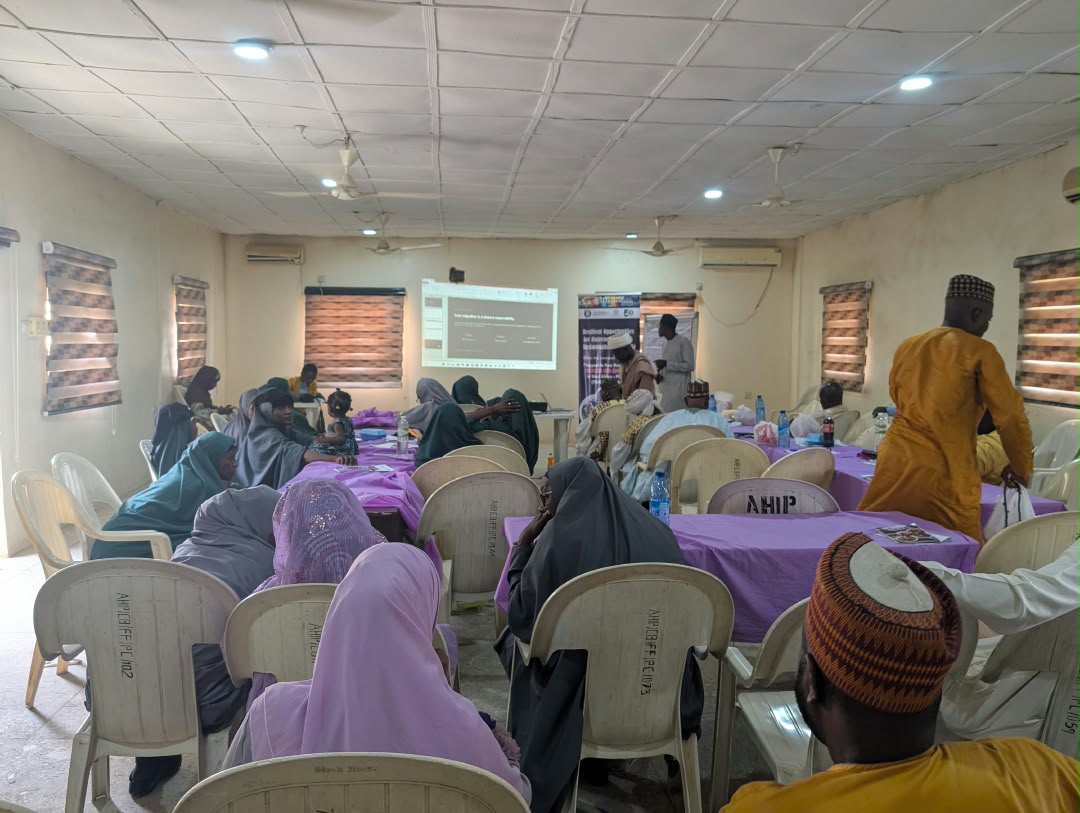
A representative of the National Commission for Refugees, Migrants and Internally Displaced Persons (NCFRMI), Kano Office, Ibrahim Isah, disclosed this during a training for Civil Society Organisations, women groups, Community-Based Organisations and other stakeholders in Kano.
Read also: Kano Moves to Fill Vacancies with Six Commissioner Nominees
The training was organised by AHIP, in collaboration with the International Organization for Migration (IOM) and ECOWAS, under the ROOTS Project.
Ibrahim said insecurity, climate change, limited livelihood opportunities and youth unemployment were among the factors driving internal and outward migration.
Read also: Yari Seeks Royal Blessings Ahead of Tinubu’s 2027 Campaign

He urged intending migrants to make informed decisions by assessing their needs, gathering reliable information, weighing potential risks, planning safely and reviewing available options before embarking on any journey.
The NCFRMI representative said risk mitigation should begin before departure and involve community-level actors, reliable information sources and appropriate protection mechanisms.
He stressed that community leadership remains central to migration governance because of its trust and legitimacy, local knowledge, capacity for early prevention, support for reintegration and ability to serve as a bridge between communities and government institutions.
Read also: NDLEA Arrests 1,860 Suspects, Seizes 5.4 Tonnes of Drugs in Kano
Participants at the training also shared experiences of irregular migration, highlighting the hardships faced by migrants in some destination countries, including exploitation, detention, illness and other forms of abuse after falling into the hands of criminal networks and other unscrupulous individuals.
The training, tagged “Training of CSOs, Women Groups and Local Authorities on Gender-Responsive Migration Governance and Climate Adaptation,” is part of efforts under the ROOTS Project to strengthen community capacity for safer and more responsive migration governance.