


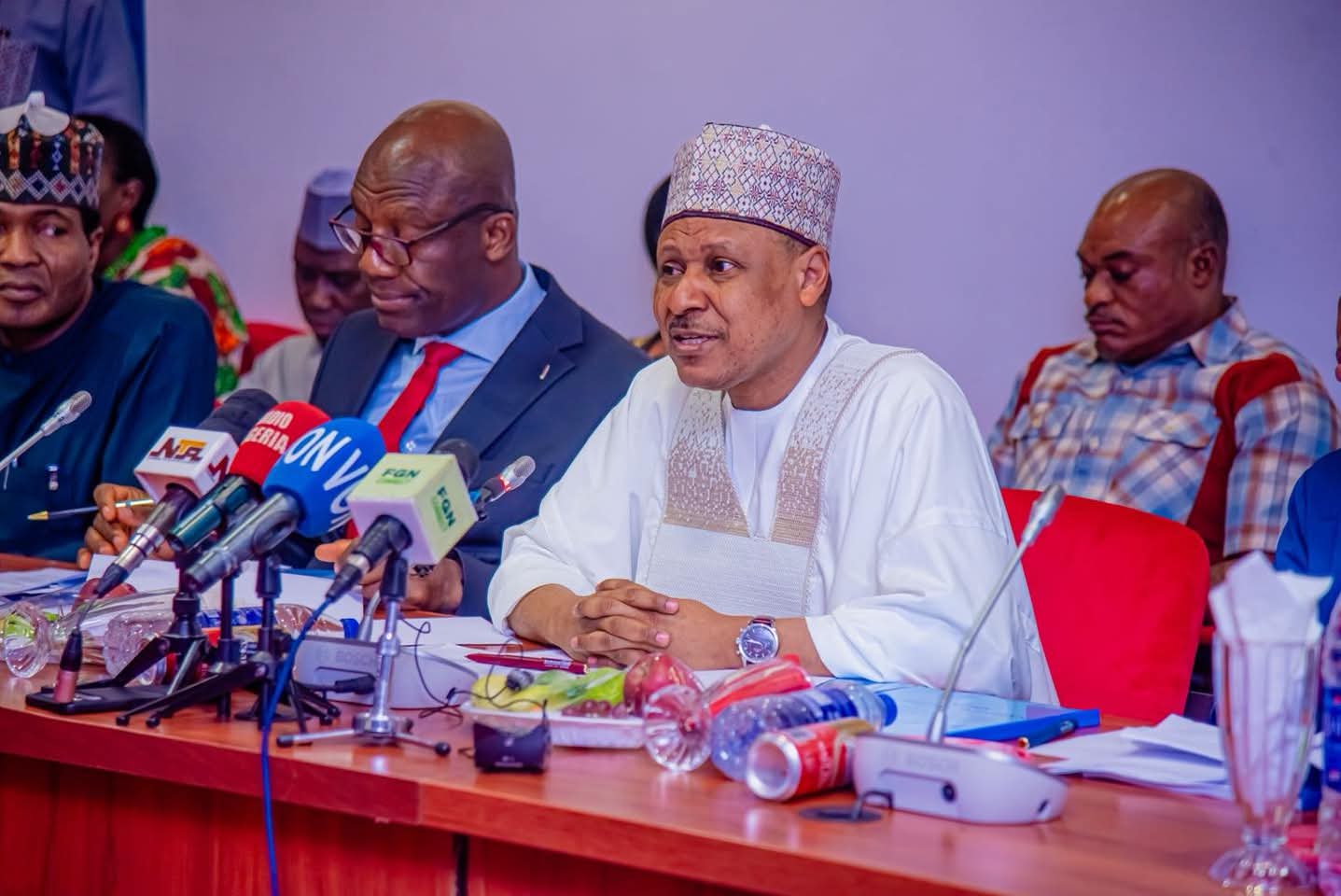
The Federal Government of Nigeria has responded to recent recommendations emerging from engagements within the United States Congress, rejecting claims of state-sponsored religious persecution and reaffirming its commitment to protecting all citizens regardless of faith.
In a statement issued on Tuesday, the Minister of Information and National Orientation, Mohammed Idris, said the government had taken note of a joint report on Christian persecution in Nigeria submitted to the White House by the US House Foreign Affairs Committee and the House Appropriations Committee.
DSS Arrests Ex-Lawmaker Over Alleged False Intelligence to Foreign Missions
The government acknowledged that parts of the country continue to face significant security challenges, including terrorism, banditry, and communal conflicts, which have resulted in the loss of lives and destruction of property across affected communities.
“The Federal Government remains deeply concerned about the tragic impact of these criminal acts and extends its sympathies to all victims and their families, regardless of faith, ethnicity, or region,” the statement said.
Idris emphasised that Nigeria has never adopted any policy supporting religious persecution, stressing that the violence being addressed by security agencies stems from terrorism, organised crime, and longstanding communal tensions rather than government policy or religious bias.

He reiterated that the Constitution of the Federal Republic of Nigeria guarantees freedom of religion and worship, adding that the government remains firmly committed to upholding these constitutional rights and ensuring equal protection for all citizens.
The Minister also highlighted ongoing security efforts by the government, including strengthened military and law enforcement operations in affected areas. He noted that counter-terrorism offensives have disrupted criminal networks, degraded armed groups, and led to the arrest and neutralisation of key perpetrators.
According to him, intelligence sharing and inter-agency collaboration have also been enhanced to improve early warning systems and rapid response, particularly in vulnerable rural communities.
He further disclosed that surveillance and clearance operations have been intensified in forested areas often used as hideouts by criminal groups. The government has also deployed specially trained forest guards to deny terrorists and bandits safe havens, strengthen territorial control, and improve community-level security.
In addition, Idris said the government is expanding humanitarian support for internally displaced persons, facilitating the safe return of affected communities, and promoting peacebuilding initiatives aimed at fostering long-term stability and coexistence.
The Federal Government reaffirmed its commitment to maintaining strong diplomatic relations with the United States, noting that both countries share common interests in promoting security, economic growth, and regional stability.
Nigerians’ Assets Frozen by US Amid Counter-Terrorism Measures
He added that Nigeria remains open to constructive dialogue with international partners through appropriate diplomatic channels while continuing to prioritise the protection and safety of all Nigerians.