


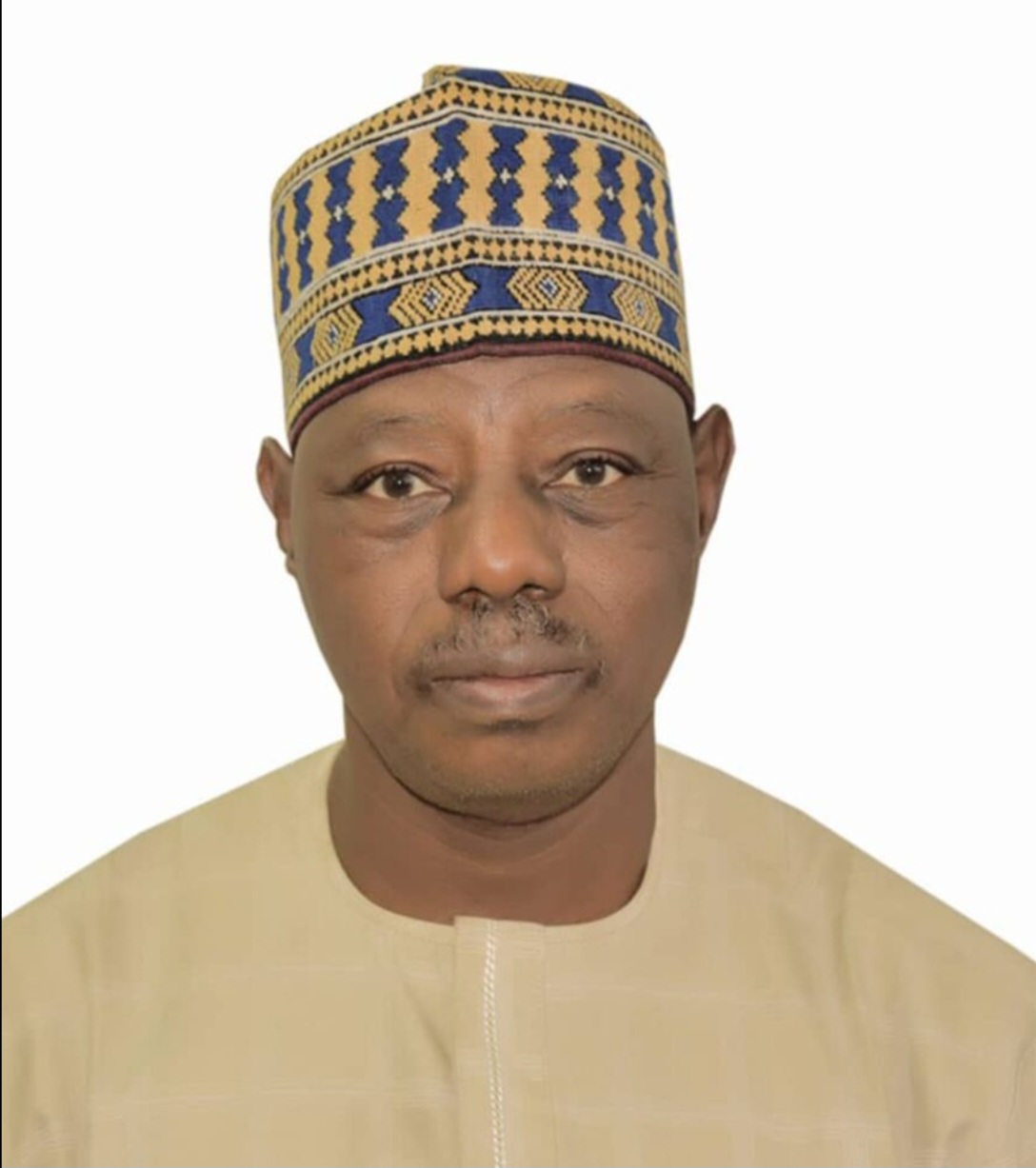
Comrade Lamara Garba
Every year, on the first of May, the world pauses to honour labour. It is a day known globally as International Workers’ Day, a symbolic tribute to the dignity of work and the sacrifices of workers across generations. In theory, it is a day of solidarity, a chorus of voices declaring that the worker is not invisible. In practice, however, the Nigerian reality tells a different story, one that is deeply troubling and hard to justify.
Read also: Gambo Musa Gets NBBF Role to Develop Young Basketball Talent
In Nigeria, May Day has become less of a celebration and more of a contradiction.
What does it mean to celebrate labour in a country where workers remain unpaid after thirty days of honest commitment? What dignity is being honoured when civil servants who sustain the machinery of governance mark the day with empty wallets and uncertain futures? The drums may beat and the banners may rise, but beneath the surface lies a quiet suffering that refuses to be ignored.
There is something deeply troubling about this situation. The worker who gives time, energy, and often health to the service of the state is reduced to a spectator in his own struggle. The day that should amplify his voice instead buries it under speeches and routine displays of solidarity.

Nigeria formally aligned itself with the global labour movement when it joined the International Labour Organization on May 1, 1981. It was a moment that promised fairness, justice, and improved working conditions. Many years later, it is fair to ask what has truly changed for the Nigerian worker.
The gap between promise and reality has only grown wider.
Today, a litre of fuel sells at nearly ₦1,400. The cost of living continues to rise beyond the reach of ordinary citizens. In contrast, the minimum wage remains ₦70,000. This amount cannot sustain a family for even a week. It reflects a painful disconnect between policy decisions and the everyday reality of workers.
To put it simply, Nigerian workers are not only underpaid, they are undervalued.
This raises a serious question. What is the value of labour in a society that does not reward it? When effort is not matched with fair compensation, the sense of justice begins to fade. Workers become discouraged, not just with their employers, but with the system as a whole.
Then come the rallies.
Read also: 2027: Kebbi Backs Tinubu’s Re-election Bid, Says Yari
Labour leaders step forward to address workers who have not been paid. They speak about unity, resilience, and hope. Yet hope becomes difficult to accept when it is not supported by action. Solidarity loses meaning when it does not lead to real change.
The labour movement is built on a simple idea that an injury to one is an injury to all. It calls for collective concern and shared responsibility. In Nigeria, however, this idea often remains only in words.
How can workers celebrate May Day without receiving their April salaries? How can there be celebration when basic obligations have not been met? This situation is not just an administrative failure. It is a moral failure.
Silence in such moments becomes part of the problem.
The real concern is not only that workers are suffering, but that their suffering is being treated as normal. The celebrations continue as if unpaid salaries are a minor issue instead of a serious violation of workers’ rights. This acceptance weakens the collective conscience and makes change more difficult.
There is also a quiet sadness in this reality. Nigerian workers continue to wake early, face daily challenges, and carry out their duties despite the hardship. Their perseverance is admirable, but it should not be mistaken for acceptance. Endurance does not replace justice.
If May Day is to have meaning, it must return to its true purpose. It should be a day of reflection and truth, not routine celebration. It should be a moment to confront reality rather than ignore it.
Perhaps the most honest way to observe this day in Nigeria is through accountability. Celebration should come only when there is something to celebrate.
At present, many workers have little reason to do so.
The responsibility lies with workers, labour leaders, policymakers, and society as a whole. The meaning of May Day must be reclaimed. It should be a day that challenges injustice and demands change.
Read also: Speaker Commissions Soba Projects to Boost Education, Healthcare
Until Nigerian workers are paid fairly, treated with respect, and truly valued, May Day will remain a day of remembrance rather than progress. It will continue to remind us of how much still needs to be done.
Comrade Lamara Garba, a veteran journalist, was a former Chairman of the Correspondents’ Chapel of the Nigeria Union of Journalists in Kano State.