


Jamilu Abubakar
The United Nations Children’s Fund, UNICEF, has urged the media to use its watchdog role to advocate for adequate, equitable and result-oriented public financing for children in Bauchi, Gombe and Plateau States.
UNICEF said sustained investment in education, healthcare, nutrition, water, sanitation and hygiene, social protection and child protection is critical to improving children’s lives and securing Nigeria’s future.
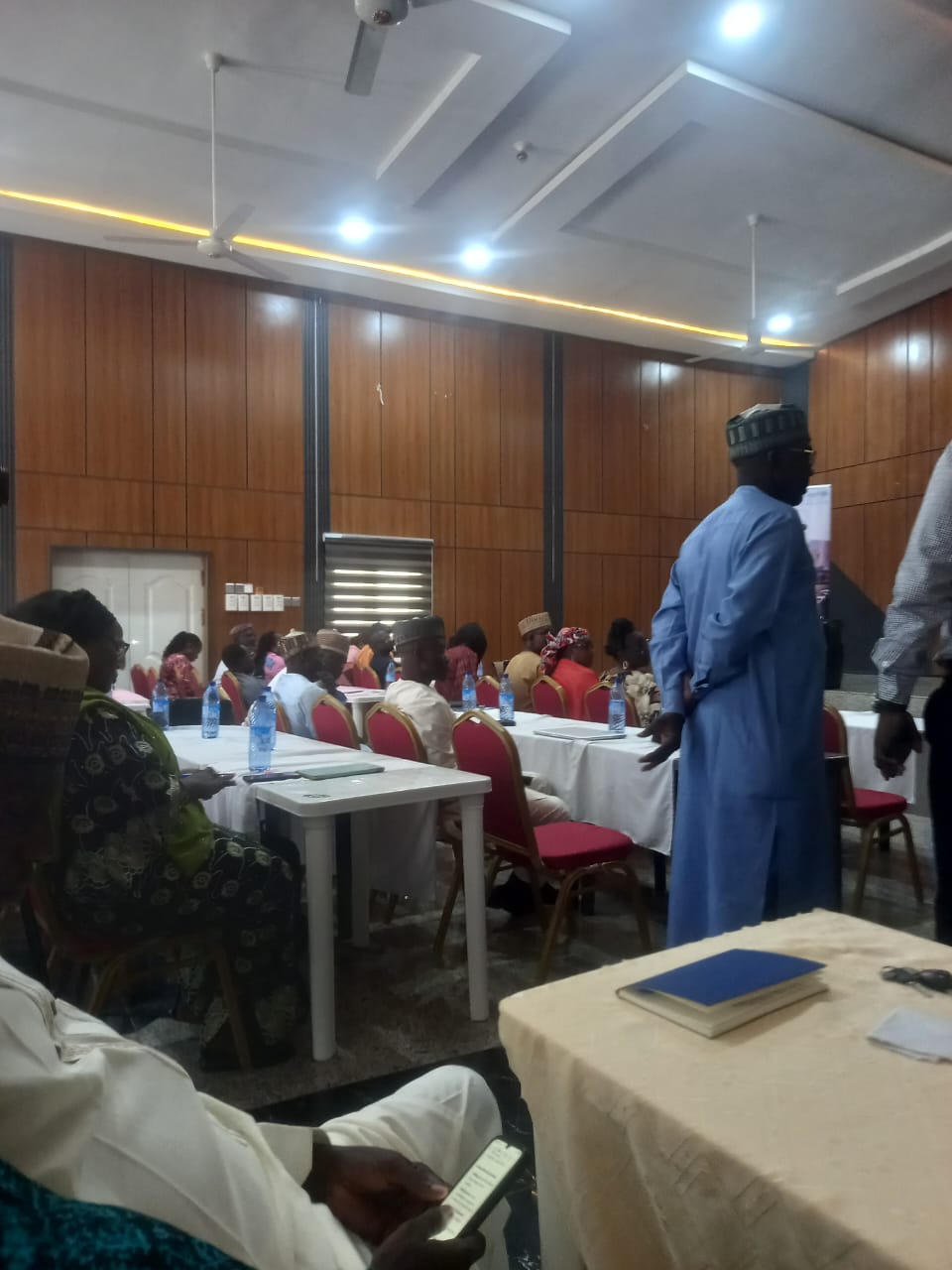
The UNICEF Chief of Field Office, Bauchi Field Office, Dr. Nuzhat Rafiq, made the call during a one-day media dialogue on Public Financing for Children held in Bauchi.
Rafiq, who was represented by UNICEF Education Specialist, Abdulrahman Ado, said journalists had an important role to play in influencing better budgeting, timely release of funds and effective implementation of programmes that improve the wellbeing of children and women.
She urged journalists to use the ongoing political and electioneering period to question political actors about their plans for children, how such commitments would be financed and how resources would reach vulnerable children and communities.
She noted that many children were still out of school, while malnutrition, inadequate healthcare facilities and poor access to safe water, sanitation and hygiene continued to affect families.
Rafiq stressed the need for non-partisan reporting that focuses on children’s rights, government commitments, financing and measurable results rather than personalities or political affiliations.
Also speaking, UNICEF Social Policy Specialist, Yusuf Auta, said investment in children must begin from conception and continue throughout childhood.
Auta said adequate financing was particularly important for maternal and newborn health, noting that every child had the right to be born in a safe and conducive environment.
He expressed concern that public budgets often give insufficient attention to children aged zero to 18 years, despite children representing more than half of the population.
Auta challenged journalists to go beyond reporting budgetary allocations by tracking the release and utilisation of funds and examining the results achieved.
He said the media could help change the narrative by holding governments accountable for translating budgetary commitments into tangible improvements in children’s lives.
The dialogue also highlighted the need to recognise progress alongside existing gaps, including government reforms and initiatives aimed at improving child nutrition and other essential services.
UNICEF said its collaboration with governments and other partners remained focused on strengthening systems, improving public services and advancing the rights and wellbeing of every child.
The programme was organised by the Bauchi State Ministry of Budget and Economic Planning and Multilateral Coordination in collaboration with UNICEF Bauchi Field Office.
Journalists from Bauchi, Gombe and Plateau States participated in the dialogue.