


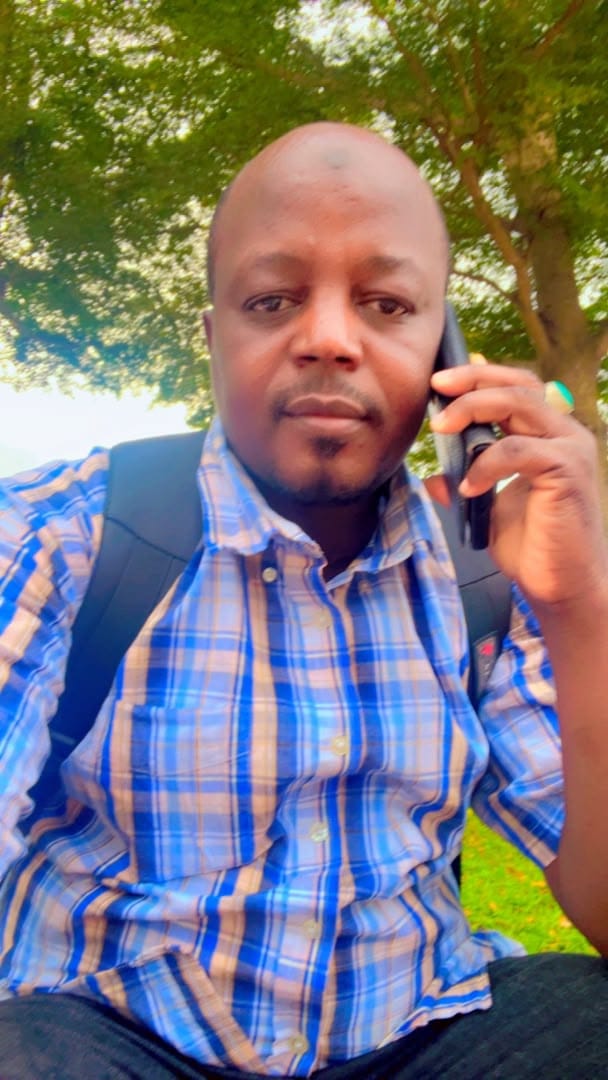
I, Dr. Farouk Sadi, Ph.D., write to state plainly why I support the continuation of Governor Abba Kabir Yusuf’s administration in Kano State and President Bola Ahmed Tinubu’s administration at the federal level.
My position rests on the record of what has been started, what has been delivered, and what remains to be completed.
Read also: Kano Steals the Show in Kaduna: Abba Yusuf Emerges as Tinubu’s Political Mobiliser
I believe that governments should be judged by their policies, their implementation, and the measurable difference they make in the lives of ordinary people.
In Kano, Governor Yusuf made education his first priority. His administration declared a state of emergency in education in June 2024, committed about 30 per cent of the 2024 budget and 31 per cent of the 2025 budget to the sector, and recruited about 16,000 teachers over three years, including thousands of former BESDA volunteers who are now in permanent and pensionable service.
Kano emerged as the best-performing state in the 2025 NECO examinations.
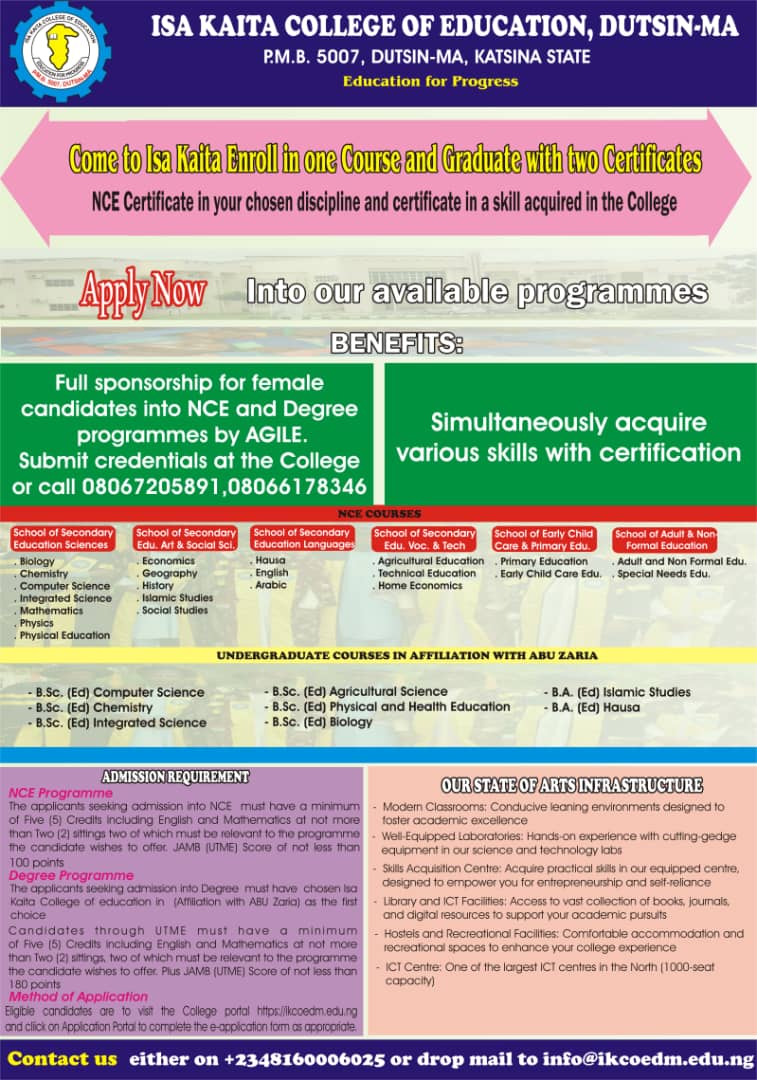
The administration halved registration fees for Kano indigenes at state-owned tertiary institutions, approved NGN 2 billion to support Kano indigenes attending public universities nationwide, and sponsored hundreds of students on domestic and foreign scholarships.
Workers have also benefited: Kano was among the early states to implement a minimum wage of NGN 71,000, and the Nigeria Labour Congress recognised the Governor as the most labour-friendly governor of the year in January 2025.
Beyond education, the Governor has invested in livelihoods and infrastructure. The monthly NGN 50,000 empowerment programme now supports 6,680 women across all 44 local government areas, helping them grow their small businesses and sustain their households.
Thousands of women have received goats under a livestock entrepreneurship scheme, more than 1,100 graduates have received start-up kits, and the Kano State Agro-Pastoral Development Project has reached more than 477,000 farmers.
The administration has rehabilitated 17 roads in the metropolis, committed NGN 27 billion to interchange projects, distributed 500 electricity transformers to communities across all 44 local government areas, upgraded maternity and paediatric units, and launched a tree-planting initiative aimed at planting 5.5 million trees to combat desertification.
Read also: Former SSAs, SAs, PAs Back Gov. Yusuf’s Re-Election Bid, Praise Waiya’s Leadership
At the federal level, President Tinubu has pursued difficult reforms aimed at stabilising the economy.
The unification of the foreign exchange market has been followed by an increase in external reserves to more than USD 54 billion, the highest level since 2008, while inflation eased to about 16 per cent by mid-2026.
The national minimum wage increased from NGN 30,000 to NGN 70,000. The student loan scheme has disbursed more than NGN 370 billion since May 2024, helping students meet tuition and other educational expenses.
The Nigeria Tax Act 2025 provides for zero-rated VAT on basic food items, medicines, and education, while exempting low-income earners from personal income tax.
This represents relief on essential goods and services, not the abolition of taxes. The Presidential CNG Initiative offers cheaper transport alternatives, while pipeline construction on the Ajaokuta-Kaduna-Kano gas pipeline has reached Kano.
The Kaduna-Kano rail section is targeted for commissioning in December 2026, while the Lagos-Calabar and Sokoto-Badagry highways are opening new corridors for trade. I acknowledge that many households still feel the burden of high prices and that the benefits of these reforms must be measured by evidence rather than promised through rhetoric.
My position is therefore clear: I am committed to campaigning peacefully and lawfully for Governor Abba Kabir Yusuf to remain Governor of Kano State and for President Bola Ahmed Tinubu to remain President of the Federal Republic of Nigeria.
With both leaders now on the same political platform, Kano has a real opportunity to strengthen cooperation with the Federal Government on railways, gas, schools, hospitals, and job creation. Such cooperation does not guarantee results, and the final judgement belongs to the voters.
Read also: Kano Assembly Confirms Six Commissioner Nominees
However, projects that are half-built should be completed, reforms that are beginning to yield results should be given time to benefit every household, and leaders should be held accountable for their promises at every step.
Let us measure our governments by their performance and work together to build a state and a nation where progress is felt by all.