


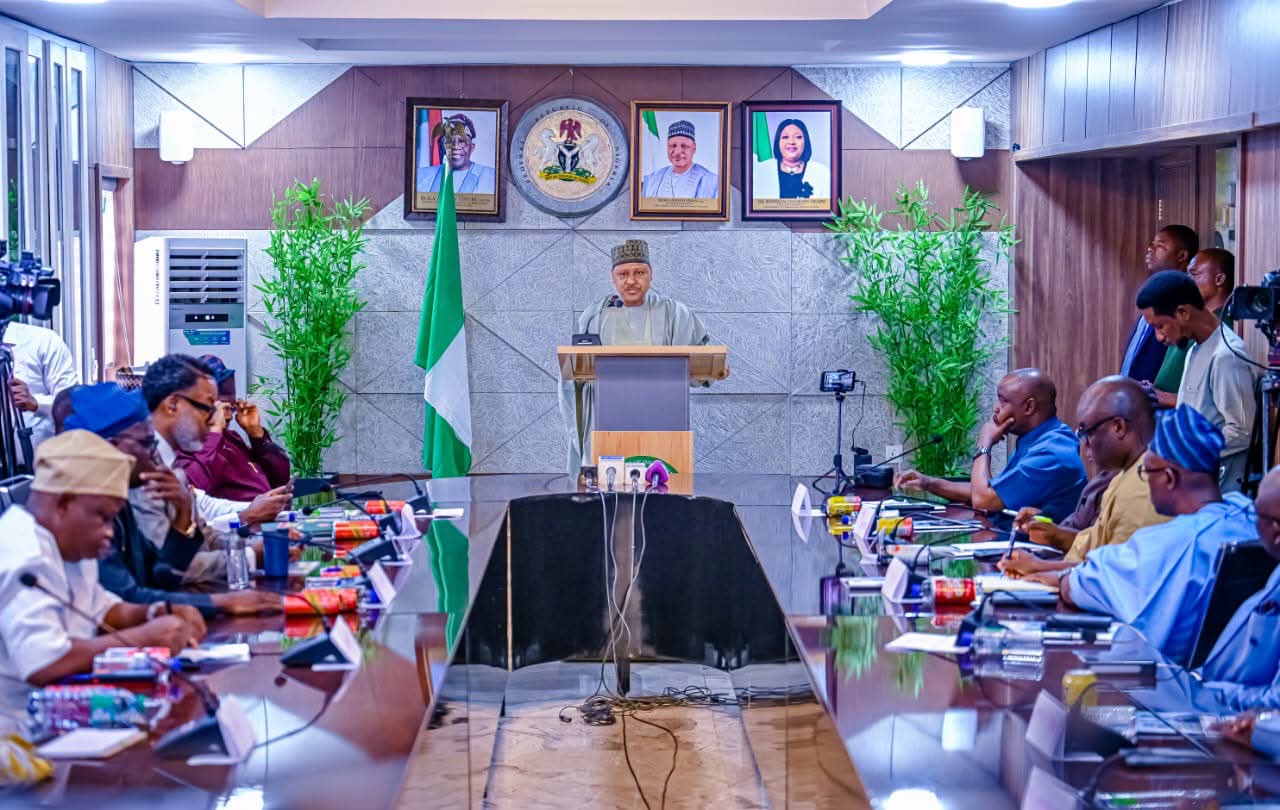
The Minister of Information and National Orientation, Mohammed Idris, says the Federal Government remains committed to improving the living conditions of Nigerians through ongoing economic reforms and measures to cushion the effects of rising petrol prices.
Idris stated this during an interactive media engagement with senior editors and broadcast anchors in Abuja, where he addressed issues relating to fuel prices, labour relations, poverty, local government autonomy, food security, infrastructure, national security and press freedom.
Read also: Respect Nigerians’ Right to Peaceful Protest-CITAD to Police
On the Nigerian National Petroleum Company Limited’s 30-day petrol discount initiative, the Minister explained that the measure was designed to provide temporary relief to Nigerians amid rising international energy costs.
He stressed that the initiative did not amount to a return to fuel subsidy, explaining that NNPC Limited had opted to forgo part of its profit to ease the financial burden on consumers.
The Minister acknowledged the economic difficulties facing households, noting that the government’s priority was to ensure that improvements in key economic indicators translate into better living conditions for ordinary Nigerians.
He cited declining inflation, stronger external reserves and increased non-oil export earnings as signs of economic recovery, while acknowledging the need to ensure that the benefits are widely felt across the country.
On labour relations and the rising cost of living, Idris expressed optimism that the Federal Government and organised labour would resolve outstanding issues through dialogue.
He also recalled President Bola Tinubu’s position that minimum wage arrangements could be reviewed every three years instead of every five years.
Addressing local government financial autonomy, the Minister said the administration remained committed to its implementation, adding that consultations with relevant stakeholders were ongoing to address practical challenges and ensure the effective operation of the system.
On food security, Idris highlighted government efforts to boost domestic agricultural production and strengthen strategic food reserves.
Read also: Amnesty Condemns Police Blockade of ‘Tinubu Must Go’ Event in Kano
He also urged traders to avoid hoarding food items and practices that could create artificial scarcity, stressing that collective efforts were necessary to improve food affordability and accessibility.
The Minister further defended ongoing federal road projects, saying they were intended to improve connectivity, facilitate trade, support agricultural activities and create economic corridors for businesses to thrive.
He maintained that the projects were driven by the need to improve access and stimulate economic activities rather than electoral considerations.
On national security, Idris highlighted the expansion of military operational structures from eight to twelve divisions, alongside increased support for security personnel.
He acknowledged that security challenges persisted but assured Nigerians that the government remained committed to strengthening the country’s security architecture and protecting lives and property.
Responding to concerns about press freedom and reports of arrests involving citizens expressing political views, the Minister said he was unaware of any directive by President Tinubu authorising the repression of the media.
He, however, pledged to seek clarification on specific incidents raised by journalists during the engagement.
Idris urged media organisations to uphold professional standards, verify information and avoid misleading or sensational headlines, stressing that press freedom must be accompanied by responsibility.
Read also: Just in: NCAA Targets Safer Skies With Exam Reforms
The Minister commended the participating media organisations and expressed his willingness to sustain the interactive sessions, potentially on a fortnightly basis.
He said the engagements would strengthen communication between the Federal Government and the media while providing opportunities to clarify government policies and address emerging national issues.