


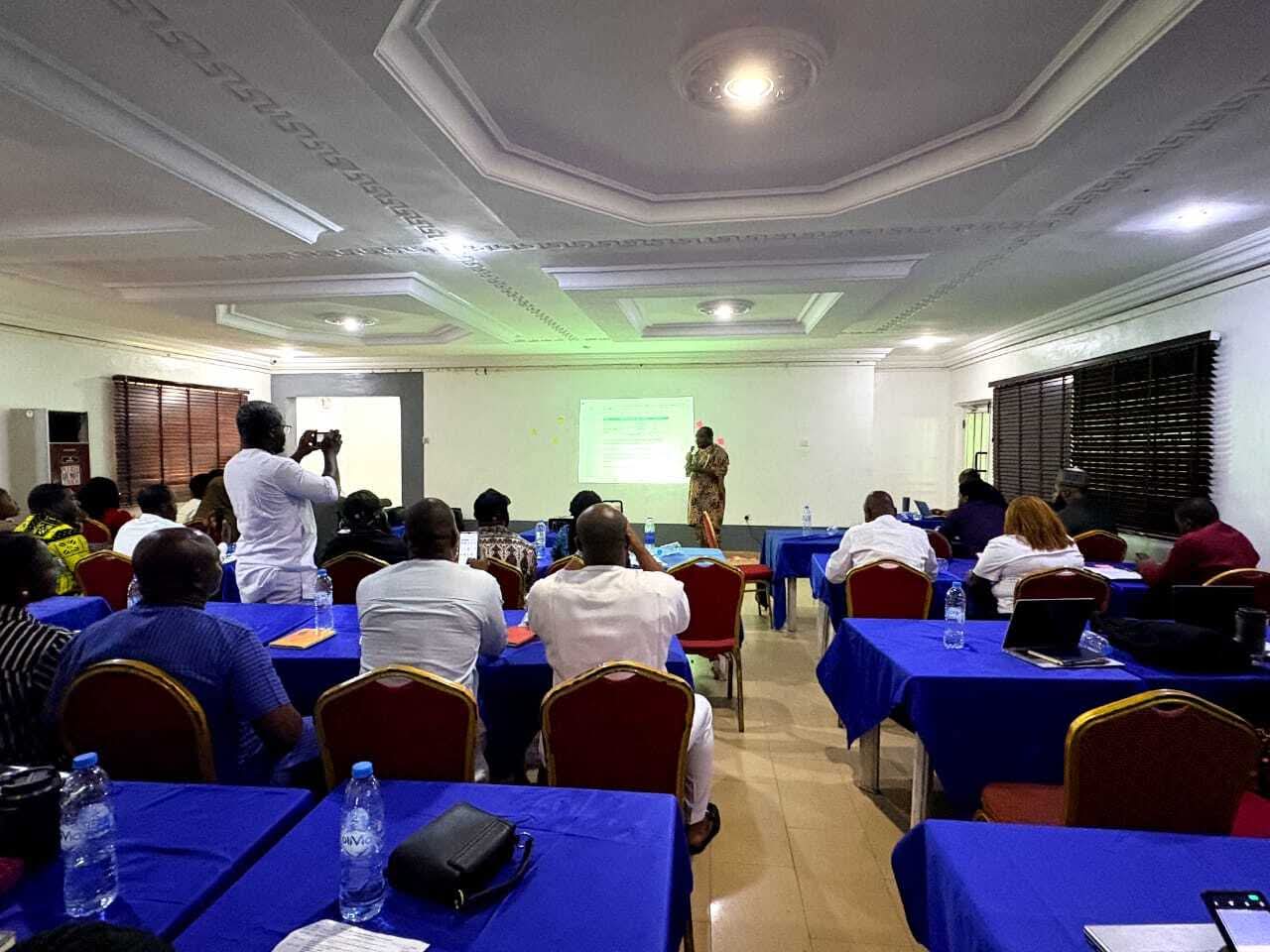
The National Human Rights Commission (NHRC) has convened a wide range of stakeholders in Benin City, Edo State, for a three-day workshop focused on the protection and promotion of the rights of persons who use drugs (PWUD), as part of ongoing efforts to strengthen drug policy and public health responses in Nigeria.
The workshop,was organised in collaboration with the National Agency for the Control of AIDS (NACA) and brought together government agencies, civil society organisations, professional bodies, and community networks of persons who use drugs.
Speaking at the event, the Executive Secretary of NHRC, Dr. Tony Ojukwu, OFR, SAN, who was represented by the Senior Human Rights Adviser to the Commission, Dr. Hilary Ogbonna, stressed the need to align drug control policies with human rights principles.
He noted that effective responses to drug use must be grounded in dignity, evidence, and the protection of fundamental rights, particularly access to healthcare services.
The Director-General of NACA, Dr. Temitope Ilori, represented at the workshop, highlighted the importance of addressing structural and human rights barriers that limit access to HIV and tuberculosis services for vulnerable populations. She called for more inclusive, rights-based public health interventions.
Discussions during the opening sessions focused on the gap between existing drug control laws and the lived realities of affected individuals.

Participants observed that the unclear distinction between drug use and trafficking often results in inconsistent enforcement and human rights concerns.
Further sessions explored the intersection of drug use with HIV, tuberculosis, and gender, alongside ongoing debates on decriminalisation.
A key issue on the second day was drug threshold scheduling, which defines the quantity of substances that distinguishes personal use from trafficking.
Stakeholders and community representatives emphasised the need for clarity, proportionality, and fairness in enforcement practices.
Technical sessions featured contributions from organisations including the West African Drug Policy Network, the Drug Harm Reduction Advocacy Network (DHRAN), PRAWA, Lawyers Alert, the New Thing International Foundation, and the International Society of Substance Use Professionals (ISSUP), as well as other experts and consultants.
On the final day, discussions centred on reform pathways, including institutional roles in monitoring and addressing human rights issues affecting persons who use drugs and people who inject drugs.
The workshop culminated in the development of a community communiqué outlining recommendations for legal and policy reforms, as well as a roadmap detailing next steps, timelines, and responsibilities.
Participants from affected communities played a central role throughout the engagement, contributing directly to discussions and the formulation of recommendations, underscoring the importance of inclusive and evidence-based policymaking.
The engagement forms part of NHRC’s activities under the Global Fund Grant Cycle 7, aimed at reducing human rights-related barriers to health services and strengthening rights-based approaches within Nigeria’s drug policy framework.