

Nigeria has been urged to address critical gaps in immunization financing and accountability as the country joins the rest of the world to commemorate World Immunization Week 2026.
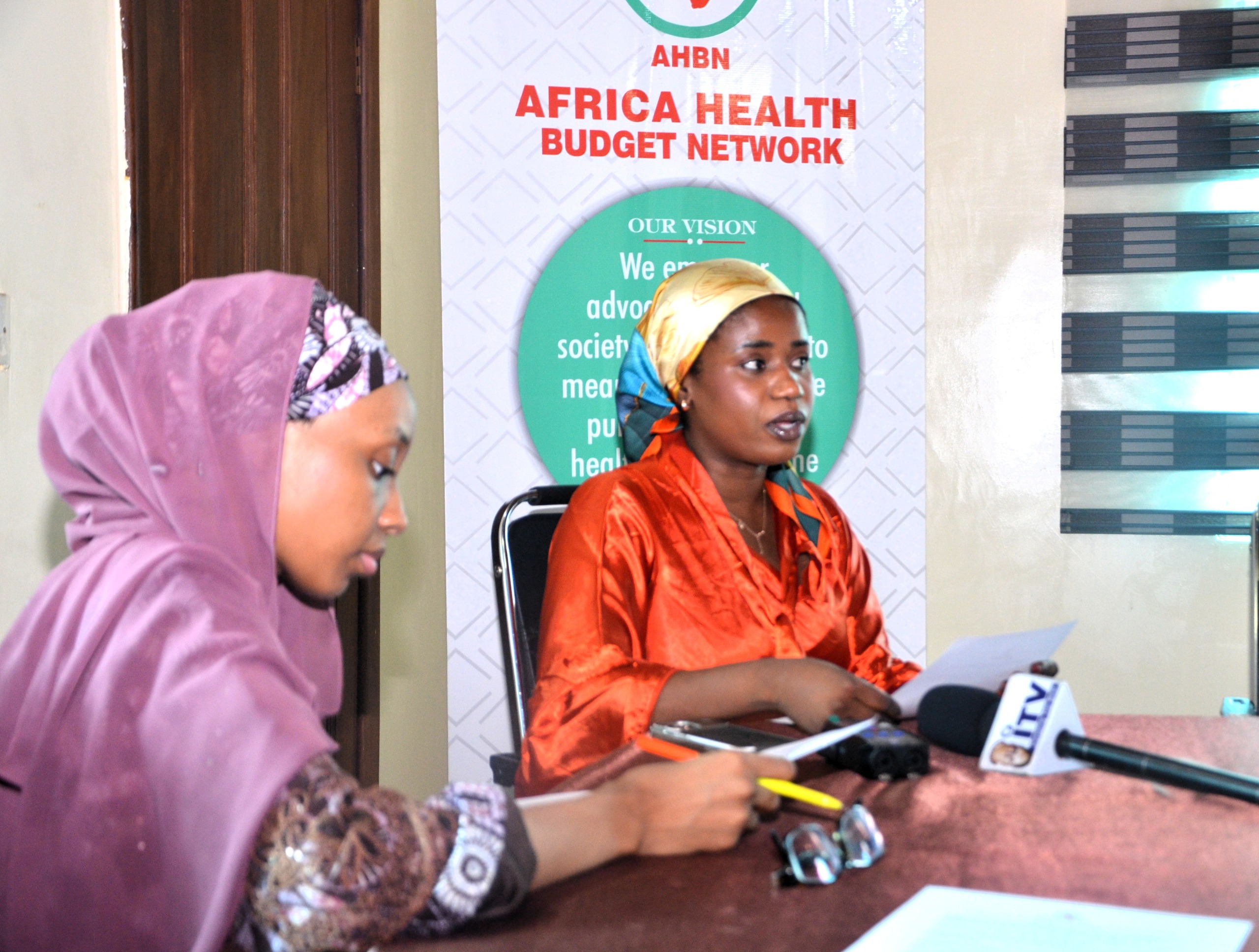
The call was made by the Africa Health Budget Network, which stressed the need for urgent and coordinated action to ensure that all children, particularly those in underserved communities, have access to life saving vaccines.
Read also: ABU SPESSE-CE Graduates 420 in Sustainability Training
In a statement marking the global health campaign themed “For Every Generation, Vaccines Work,” the Network described immunization as one of the most cost-effective strategies for improving child survival and strengthening primary healthcare systems.
Despite ongoing efforts, Nigeria is still home to an estimated 2.1 million zero-dose children the highest globally many of whom reside in hard-to-reach and underserved areas.
The organization raised concerns over a significant funding gap in the country’s immunization programme. It noted that although more than ₦230 billion was allocated for immunization in 2025, only about ₦68 billion has been released, leaving a shortfall of approximately ₦163 billion.

According to the Network, the funding deficit has continued to affect vaccine procurement, distribution, and last-mile service delivery, thereby limiting coverage and widening inequities.
“As Nigeria prepares for the 2026 budget cycle, it is critical to close the gap between allocation and actual disbursement to sustain immunization gains and reach missed children,” the statement said.
Read also: Affordable Housing: FG Advances 10,000 Units Across Nigeria
The group also highlighted the need for better coordination across financing, procurement, and service delivery systems to ensure that allocated resources translate into vaccines at both facility and community levels. It emphasized improving efficiency, strengthening data systems, and reinforcing accountability mechanisms.
State governments, it added, play a pivotal role in addressing the immunization challenge. Variations in funding, prioritization, and implementation across states continue to drive disparities in immunization outcomes.
The Network further called for stronger subnational leadership and targeted interventions to reduce the number of zero-dose children across the country.
To address the challenges, the organization urged the Federal Ministry of Finance, Budget and National Planning and the Office of the Accountant General of the Federation to immediately release the outstanding ₦163 billion and establish a predictable disbursement framework.
It also called on the National Assembly of Nigeria to strengthen oversight on immunization budget performance, releases, and utilization.
Other recommendations include increasing the Basic Health Care Provision Fund from at least one per cent to two per cent of the Consolidated Revenue Fund, and encouraging state governments to prioritize routine immunization through dedicated funding and targeted strategies.
Read also: Speaker Commissions Soba Projects to Boost Education, Healthcare
The Network also urged the Federal Government to invest in local vaccine research and manufacturing through institutions such as the National Institute for Pharmaceutical Research and Development and the Presidential Vaccine Advisory Committee.
It expressed optimism that with improved financing, stronger governance, and coordinated action, Nigeria can significantly reduce the number of zero-dose children and strengthen its immunization system.