


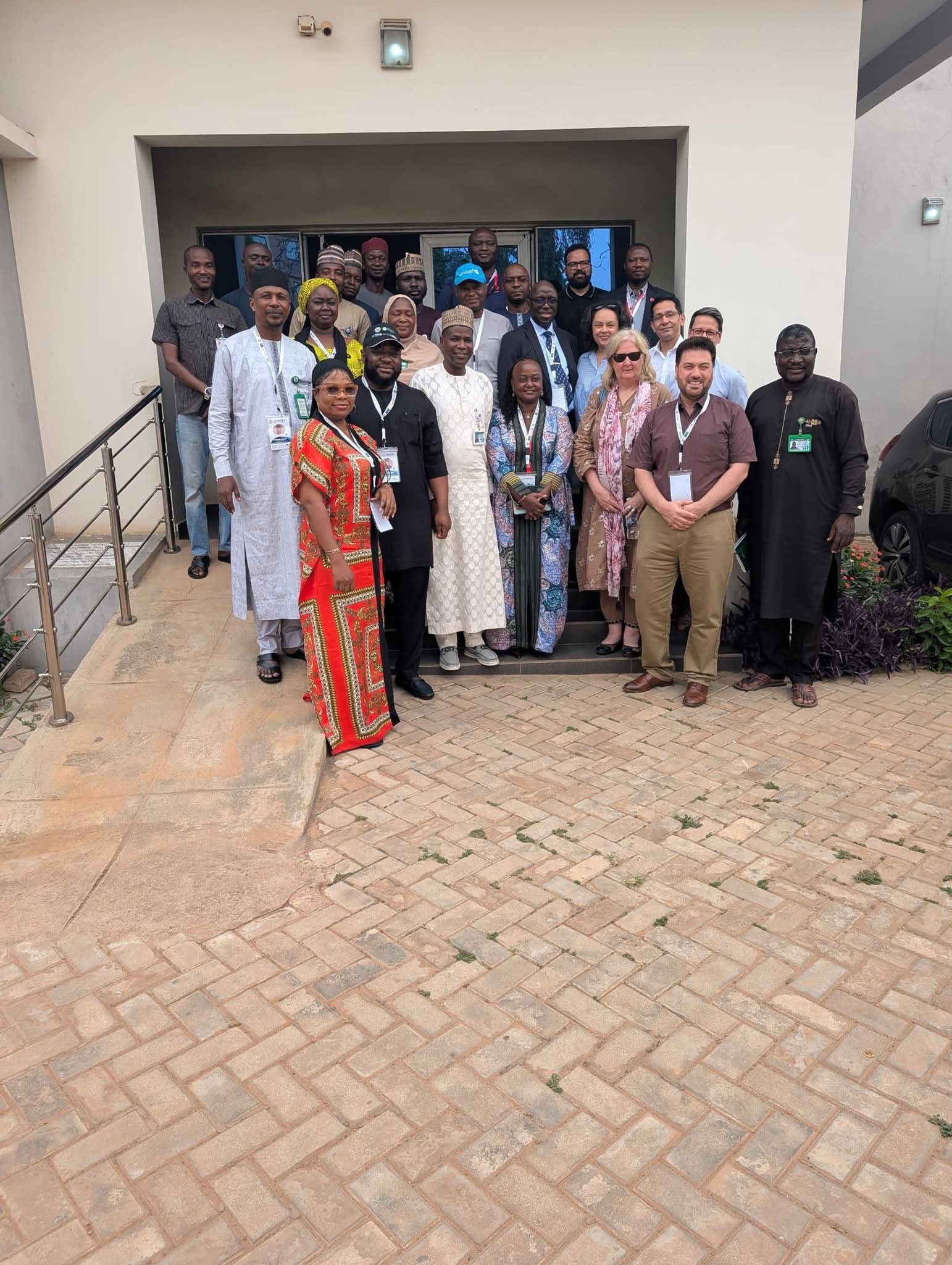
In a push for evidence-based education reforms, the Kaduna State Bureau of Statistics has engaged international development partners to review findings from an ongoing Out-of-School Children (OOSC) mapping exercise in the state.
The Statistician General of Kaduna State, Dr. Bukar Baba Alhaji, hosted a high-level delegation comprising the Islamic Development Bank, UNICEF, Save the Children International, and the Federal Ministry of Education at the KDBS headquarters to validate the methodology and discuss policy applications of the data.
Read also: Kebbi Govt Approves N63.65m for 67 Law School Students
The meeting focused on ensuring that insights from the mapping exercise are translated into practical interventions aimed at reducing the number of children out of school across Kaduna State.
Dr. Alhaji commended the technical and financial support provided by the partners, noting that the comprehensive OOSC report is nearing completion and will serve as a critical tool for planning and decision-making.
Read also: Safer Schools: FG Equips Teachers With Gender, ICT Skills

“It is essential that we move beyond data collection,” he said. “Our focus now is sustained collaboration to translate these findings into interventions that change lives.”
During the session, Amina Lami Aliyu, Head of the Project Technical Coordination Unit, presented key findings from the mapping exercise. The report identified major geographic and demographic hotspots, offering guidance on where targeted interventions are most needed.
Speaking at the meeting, Jawath Gaye, Lead Education Specialist from the Islamic Development Bank, stressed the importance of linking data to measurable outcomes in the education sector.
Read also: ABU Signs 10-Year Pact With Japan’s Yamaguchi University
In response, KDBS management reaffirmed its commitment to institutionalising data-driven governance and pledged continued technical support to ensure the findings inform upcoming education policies.
The engagement is seen as a significant step in Kaduna State’s efforts to apply global best practices in tackling local challenges, particularly in improving access to quality education and reducing the number of out-of-school children.