


Sani Dutsinma
Governor Nasir Idris has reaffirmed his administration’s commitment to improving the welfare of civil servants in Kebbi State with a committee to develop comprehensive welfare packages for workers across the state.
Read also: 2027: Kebbi Backs Tinubu’s Re-election Bid, Says Yari
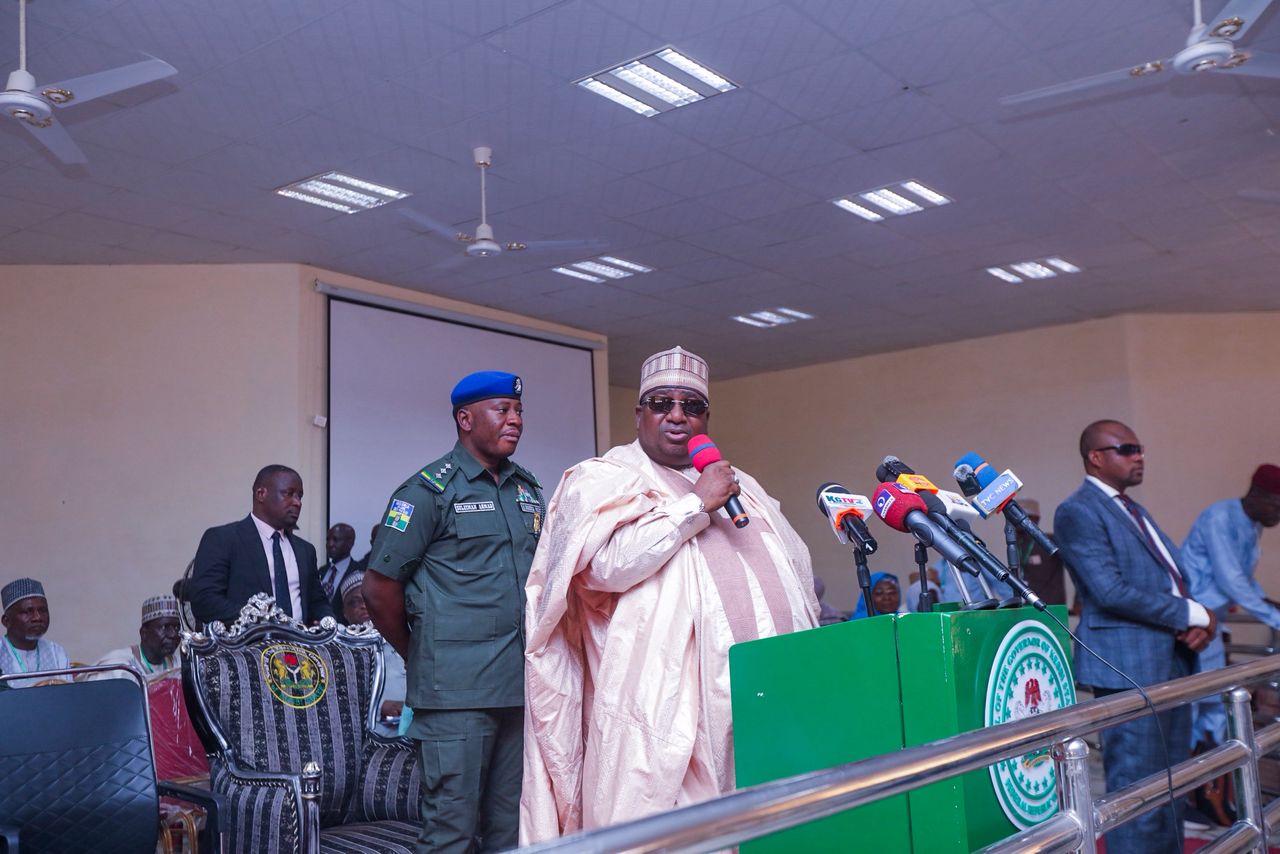
The Governor made the disclosure while declaring open a two-day workshop titled “The Use of E-Government for Effective Service Delivery” in Birnin Kebbi.
According to him, the committee will focus on designing programmes aimed at enhancing workers’ living conditions, including housing loans, motorcycle loans, and other welfare incentives for civil servants.
Governor Idris described workers as the backbone of his administration and commended labour unions and members of the civil service for their continued support and loyalty to the government.
He assured workers that his administration would continue to prioritize their welfare, noting that Kebbi State remains among the few states consistently paying salaries, pensions, gratuities, and death benefits promptly.
Read also: Affordable Housing: FG Advances 10,000 Units Across Nigeria
The Governor further stated that Kebbi was among the first states in the country to implement the new national minimum wage, adding that the state currently operates one of the most competitive wage structures in Nigeria.
As part of efforts to improve the working environment, Idris also announced plans to solarise the entire Bola Ahmed Tinubu Ultra-Modern Secretariat.
He noted that the workshop was the first official function he had personally attended at the newly completed secretariat, fulfilling a commitment he made to workers before assuming office.
Earlier, the Head of Service, TPL Malami Shekare, described the training as a strategic initiative aimed at modernising and digitally transforming the Kebbi State Civil Service.
According to him, the programme is designed to equip workers with practical digital skills that would enhance efficiency and service delivery in line with global best practices.
Read also: Tinubu Hails Mustapha Abdullahi on NBBF Presidency
In his welcome address, Commissioner for Innovation and Digital Economy, Ibrahim Muhammad Sakaba, said the workshop would reposition the state workforce for effective digital governance.
He explained that participants would be exposed to modern digital tools and innovative strategies capable of improving government operations and public service delivery.