


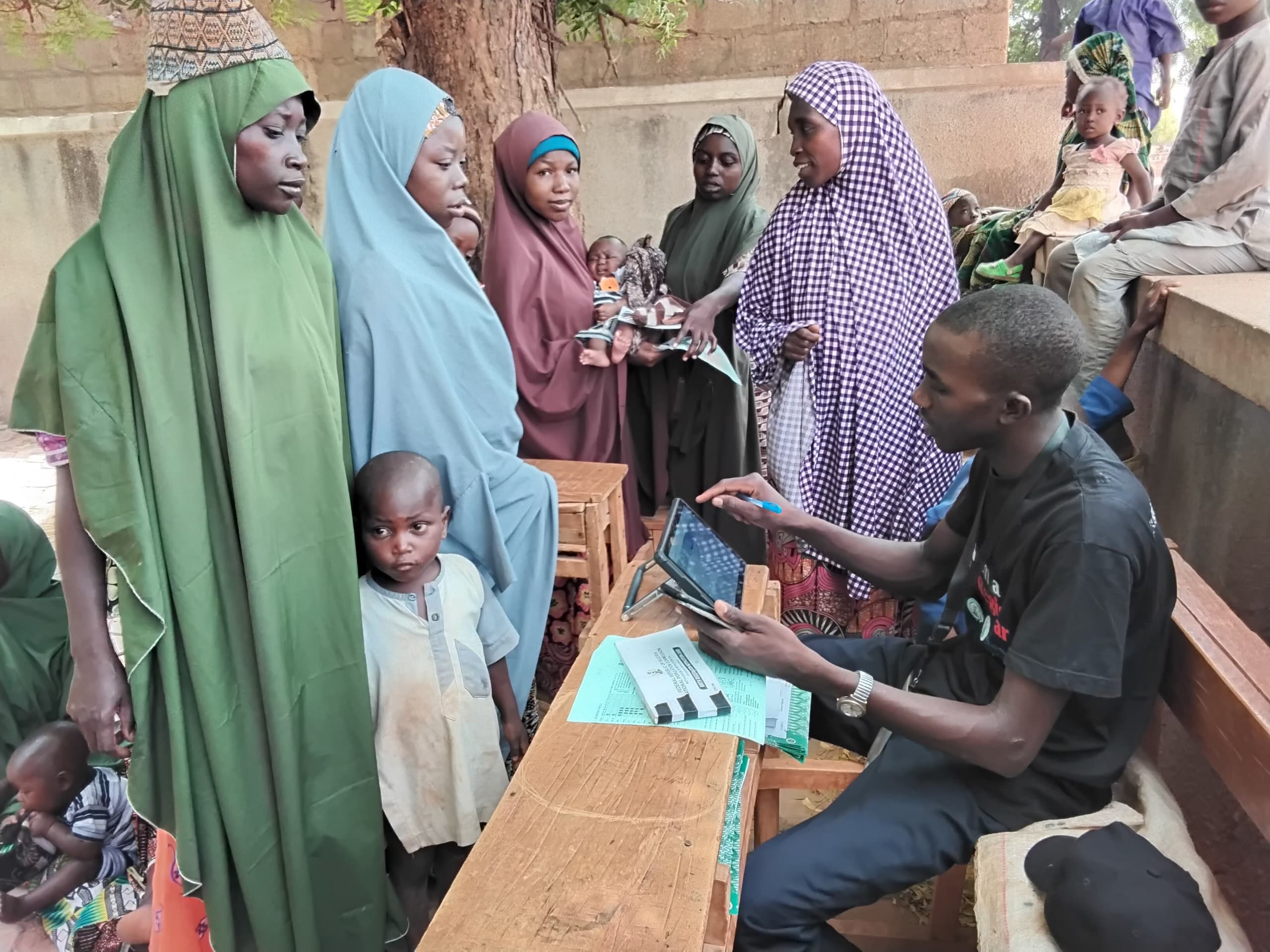
Across communities in Nigeria, birth registration remains a critical gateway to identity, citizenship, and access to essential services.
Yet, for many children, especially in rural and hard-to-reach areas, this fundamental right is still out of reach. Limited access to registration centres, weak infrastructure, and reliance on manual processes continue to hinder effective documentation, leaving significant gaps in coverage.
Read also: Beyond Promises: Can Nigeria’s New Strategy End Child Marriage in the North?
Low Awareness, Platform Charges slow E-birth Registration drive
Traditionally, birth registration in Nigeria relied on paper-based systems coordinated by the National Population Commission (NPC) through registration centres located mostly at Local Government Areas (LGAs). The process was often slow, fragmented, and vulnerable to duplication, data loss, and delays in the issuance of birth certificates.
To address these challenges, the Federal Government, through the NPC and with support from the United Nations Children’s Fund (UNICEF), introduced the Electronic Birth Registration (eBR) system aimed at digitizing and modernizing birth registration processes across the country.

The initiative led to a partnership involving the NPC, National Identity Management Commission (NIMC), Association of Local Governments of Nigeria (ALGON), Banksforte Technologies Limited, and UNICEF.
The collaboration produced the Vital Registration (VitalReg) application, an electronic platform designed to simplify registration while ensuring interoperability with the National Identification Number (NIN) system and other national databases.
UNICEF, Gombe Government Partner on Digital Birth Registration
With funding support from the Government of the Netherlands, the “Accelerating Birth Registration and Leave No Child Behind in Nigeria 2026” programme is currently being implemented in Kano State to strengthen institutional capacity and increase awareness on the importance of birth registration at the grassroots.
The programme combines digital registration with intensive community mobilization campaigns targeting underserved and hard-to-reach communities.
One of such communities is Mainika Babban Gida Ward in Gwarzo Local Government Area, where residents have continued to embrace the exercise. A visit to the community revealed a large turnout of caregivers who gathered at the residence of the Ward Head to register eligible children.
Among them was 35-year-old Hadiza Lawan, who brought her 12-month-old son, Yusuf, for registration after learning about the long-term benefits associated with birth documentation.
Read also: Girls’ Education: Kano SUBEB, AGILE Distribute 11 Laptops
According to her, community sensitization campaigns helped her understand that lack of birth registration could create barriers for children in accessing healthcare, education, social protection, and other opportunities later in life.
“My husband encouraged me to register all our children. I presented his National Identity Card and Yusuf’s immunization card at the registration point. I do not want my child to miss opportunities. We were even informed that birth registration is important for obtaining an international passport,” she said.
Another resident, Maryam Sagiru, a mother of six, described birth registration as essential to protecting children’s identity and future.
She explained that digital registration would help families avoid future difficulties related to school enrollment, travel documentation, and access to government services.
Speaking on community participation, the Ward Head of Mainika Babban Gida, Hayatu Sambo, said traditional leaders played a significant role in mobilizing residents through town criers, community meetings, and collaboration with religious and community stakeholders.
He commended UNICEF and government agencies for bringing the initiative closer to rural communities but stressed the need for improved security, noting that insecurity in some rural areas discourages participation in government programmes.
ALGON Focal Person in Gwarzo LGA, Rabiu, disclosed that more than 3,600 children had already been registered out of the 10,000 children aged one year and below targeted in the local government area.
He clarified concerns raised by some caregivers regarding delays in collecting birth certificates, explaining that each ward has designated registration points where residents are expected to complete registration and collect certificates.
Also speaking, NPC Focal Person, Bashir Aminu, noted that the electronic birth registration system has significantly improved documentation, data management, and service delivery.
According to him, the digital platform enables immediate issuance of certificates after successful registration while reducing errors associated with manual documentation.
Read also: Kano Boosts Adolescent Healthcare with 743 Facilities
He added that the eBR system also integrates birth registration with primary healthcare services, especially immunization programmes, while decentralizing services to ward and community levels to improve accessibility for rural populations.
As Nigeria intensifies efforts to close identity gaps among children, stakeholders say strengthening community awareness, expanding digital infrastructure, and sustaining grassroots mobilization will remain critical to ensuring that no child is left behind.