


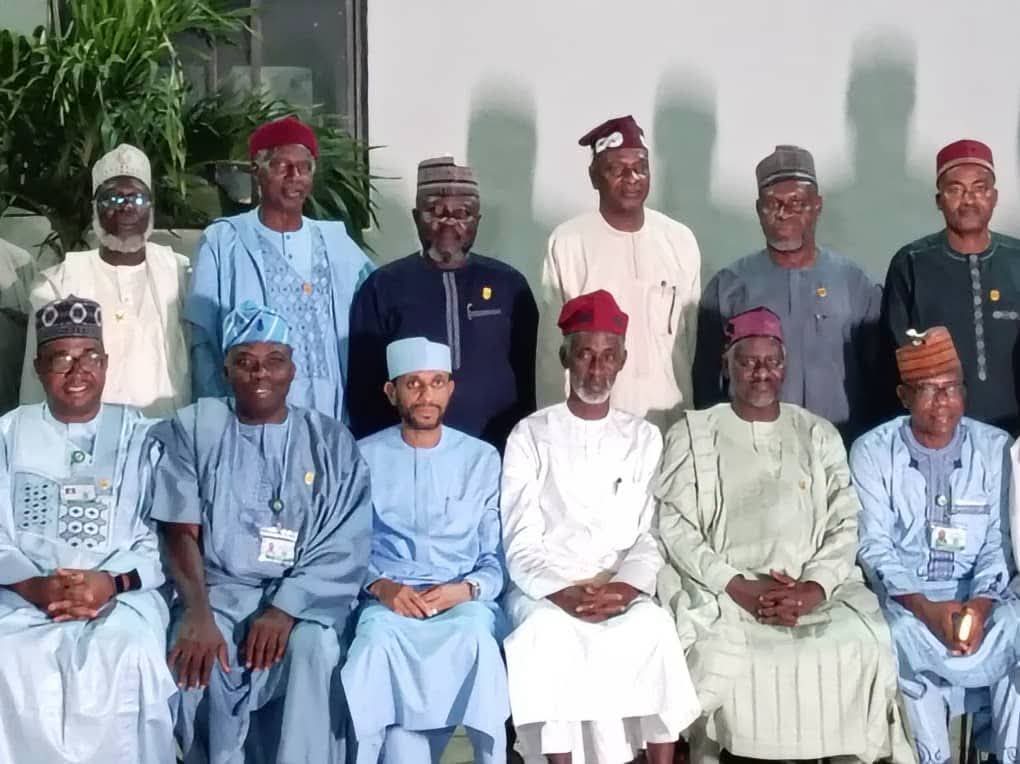
Kano State Governor, Alhaji Abba Kabir Yusuf, has described the orange economy as a vital catalyst for job creation, entrepreneurship and sustainable economic growth.
The governor stated this while receiving a delegation of the National Institute for Policy and Strategic Studies (NIPSS), Kuru, which visited Kano for a one-week study tour on the theme, “Orange Economy and Entrepreneurship for Sustainable Development in Nigeria.”
Read also: WOFAN Turns Years of Hardship into Renewed Hope for Spinal Cord Patient in Jigawa
Represented by the Deputy Governor, Alhaji Murtala Sule Garo, Governor Yusuf said Kano possesses enormous potential in the creative and entrepreneurial sectors that, if strategically harnessed, could contribute significantly to economic development in the state and Nigeria.
He commended NIPSS for its contribution to national development and appreciated the delegation for choosing Kano as a focus of its study.
The governor made the remarks at a dinner organised to mark the conclusion of the study tour by participants of the NIPSS Senior Executive Course 48, 2026.
He noted that the delegation had the opportunity to engage with government institutions, traditional leaders, private sector operators and members of the public, as well as visit key cultural sites and markets across the state.
According to him, the engagements provided the participants with insights into Kano’s development realities, economic challenges, hospitality and long-standing entrepreneurial culture.
The delegation, led by Brigadier General L.A. Jimoh, mni, visited Kano to assess development programmes, engage stakeholders and examine ways the state could harness its human, creative and entrepreneurial resources for sustainable development.
Read also: Speaker Commissions Soba Projects to Boost Education, Healthcare
Speaking at the event, Brigadier General Jimoh commended the Kano State Government for its efforts to promote creativity, entrepreneurship and economic expansion.
He described Kano as a major historical and contemporary centre of enterprise, innovation, craftsmanship, trade and human capital development.
Jimoh said the state’s long history in commerce, textiles, leatherwork, fashion, agriculture, manufacturing and creative expression provides a strong foundation for the development of the orange economy.
He noted that the delegation identified significant opportunities in traditional crafts, film, media, design, music, publishing, cultural tourism and digital enterprise.
The NIPSS delegation also highlighted the state government’s revival of 26 entrepreneurship skills training schools, saying the initiative had equipped thousands of young people with vocational skills, working tools and start-up support.
According to Jimoh, such interventions demonstrate how the orange economy can create wealth, empower women and young people, preserve cultural heritage and strengthen Kano’s contribution to the national economy.
Read also: Federal Universities Get Green Light to Recruit Staff
Earlier, the Chief of Staff to the Governor, Dr. Suleiman Wali Sani, mni, welcomed the delegation and expressed appreciation to NIPSS for selecting Kano for the study tour.
The Chairman of the Planning Committee and Commissioner for Agriculture and Natural Resources, Dr. Danjuma Mahmoud, also thanked members of the committee and the NIPSS delegation for the successful engagement.