

The Nigerian Meteorological Agency (NiMet) has convened an inter-agency meeting to strengthen preparations for the official launch of the Early Warnings for All (EW4All) Initiative in Nigeria.
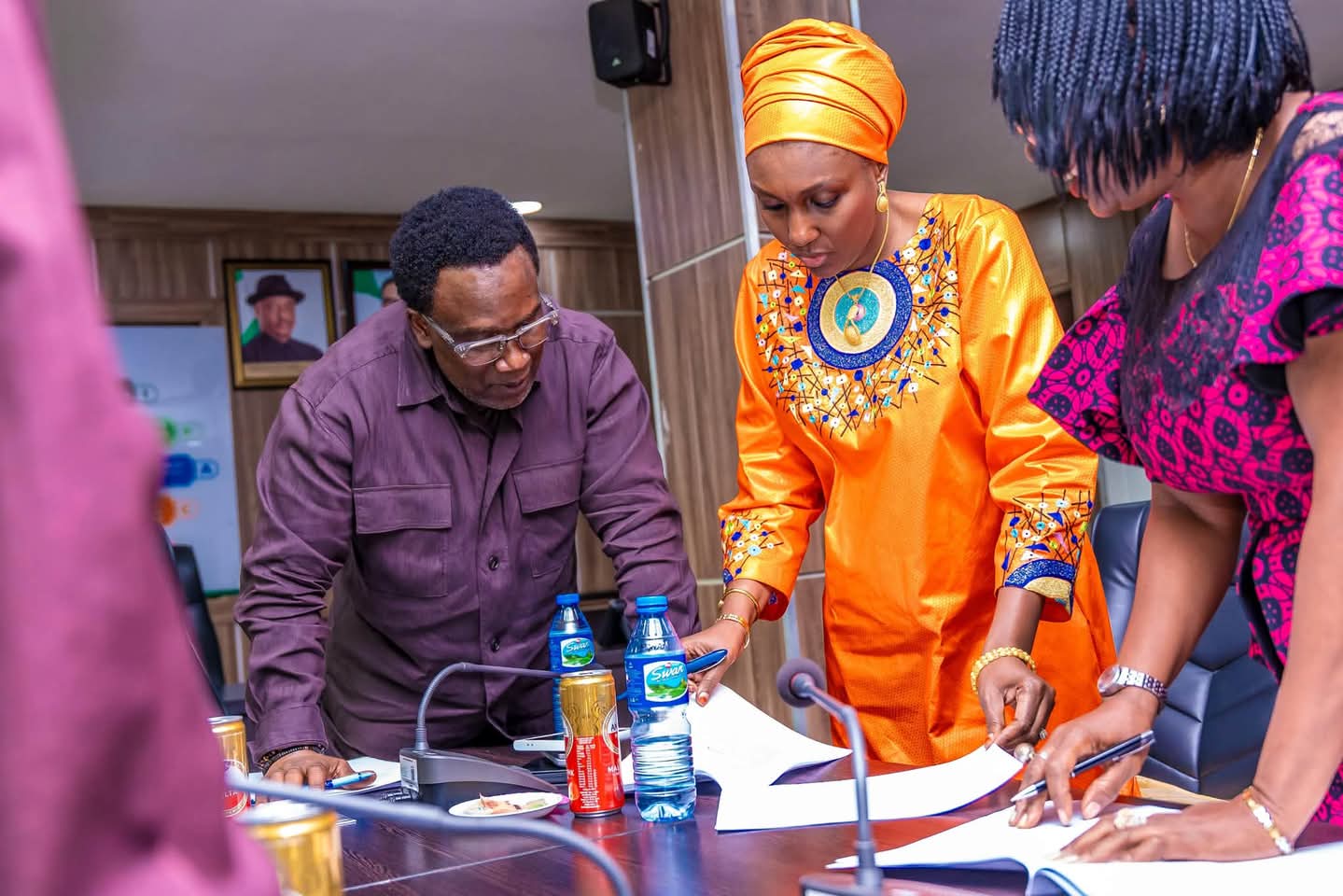
The meeting, held in Abuja, brought together key government agencies and development partners involved in meteorology, hydrology, disaster management, telecommunications, space technology and disaster risk reduction.
Read also: Kano Assembly Confirms Six Commissioner Nominees
The meeting was chaired by the Director-General and Chief Executive Officer of NiMet, Prof. Charles Anosike.
NiMet Strengthens AI, Aviation Research Collaboration with Singapore
In attendance was the Director-General of the National Emergency Management Agency (NEMA), Mrs Zubaida Umar, while the Executive Vice Chairman and Chief Executive Officer of the Nigerian Communications Commission (NCC), Dr Aminu Maida, participated virtually.
The Director-General of the Nigeria Hydrological Services Agency (NiHSA), Umar Ibrahim Mohammed; Director-General of the National Space Research and Development Agency (NASRDA), Dr Matthew Adepoju; and representatives of the United Nations Office for Disaster Risk Reduction (UNDRR) also participated in the meeting.
During the meeting, the Local Organising Committee presented an update on preparations for the national launch, highlighting progress made, key inter-agency engagements and priority actions required ahead of the event.
Read also: FG Seeks Practical Training to Unlock Nigeria’s $3.2bn Livestock Market
The Inter-Agency Technical Committee also presented the Nigeria EW4All Implementation Roadmap 2026–2029.
The roadmap provides a framework for coordinated implementation of the initiative, with emphasis on strengthening multi-hazard early warning systems and ensuring timely access to actionable information for communities at risk.
The meeting further provided an opportunity for participating institutions to review progress, strengthen coordination and identify priority areas for joint action.
The agencies reaffirmed their commitment to advancing people-centred early warning systems, disaster preparedness and climate resilience across the country.
NiMet Calls for Collaboration to Strengthen Early Warning Gaps
Read also: Continuity and Shared Development: My Position on Kano State and Nigeria
The EW4All initiative is expected to enhance Nigeria’s capacity to anticipate, prepare for and respond to weather-, climate- and other hazard-related risks through stronger coordination among relevant institutions.
The inter-agency collaboration is therefore expected to contribute to improved public safety and resilience, particularly among vulnerable communities exposed to climate and disaster risks.