


The Adamu Abubakar Gwarzo (AAG) Foundation has called for urgent and coordinated action by government, health authorities, communities and other stakeholders to contain diphtheria and prevent avoidable illnesses and deaths.
The Foundation made the call in a statement signed by its Director, Dr. Musa Abdullahi Sufi, in Kano.
It stressed that the fight against diphtheria should not be left to government and healthcare workers alone, saying parents, traditional and religious leaders, schools, civil society organisations, the media, development partners and community members all have important roles to play.
The Foundation described diphtheria as a serious and potentially life-threatening bacterial disease that can affect the nose and throat and, in some cases, the skin.
It said its toxin could cause severe complications, including damage to the heart and nervous system.
The Foundation said it would, in partnership with relevant organisations and stakeholders, intensify advocacy, public awareness and community engagement to strengthen prevention and early response to the disease.

It said the engagements would focus on increasing public understanding of diphtheria, promoting timely and complete vaccination, encouraging parents to verify their children’s immunisation status and strengthening community-level risk communication.
The Foundation also identified addressing misinformation and vaccine hesitancy, promoting early recognition and referral of suspected cases, and improving disease surveillance, case detection, contact tracing and outbreak response as key areas of intervention.
The public was urged to take symptoms suggestive of diphtheria seriously, particularly following contact with a suspected or confirmed case.
The Foundation listed sore throat, mild fever, weakness, difficulty or pain when swallowing, swollen glands in the neck, hoarseness and loss of appetite among possible symptoms.
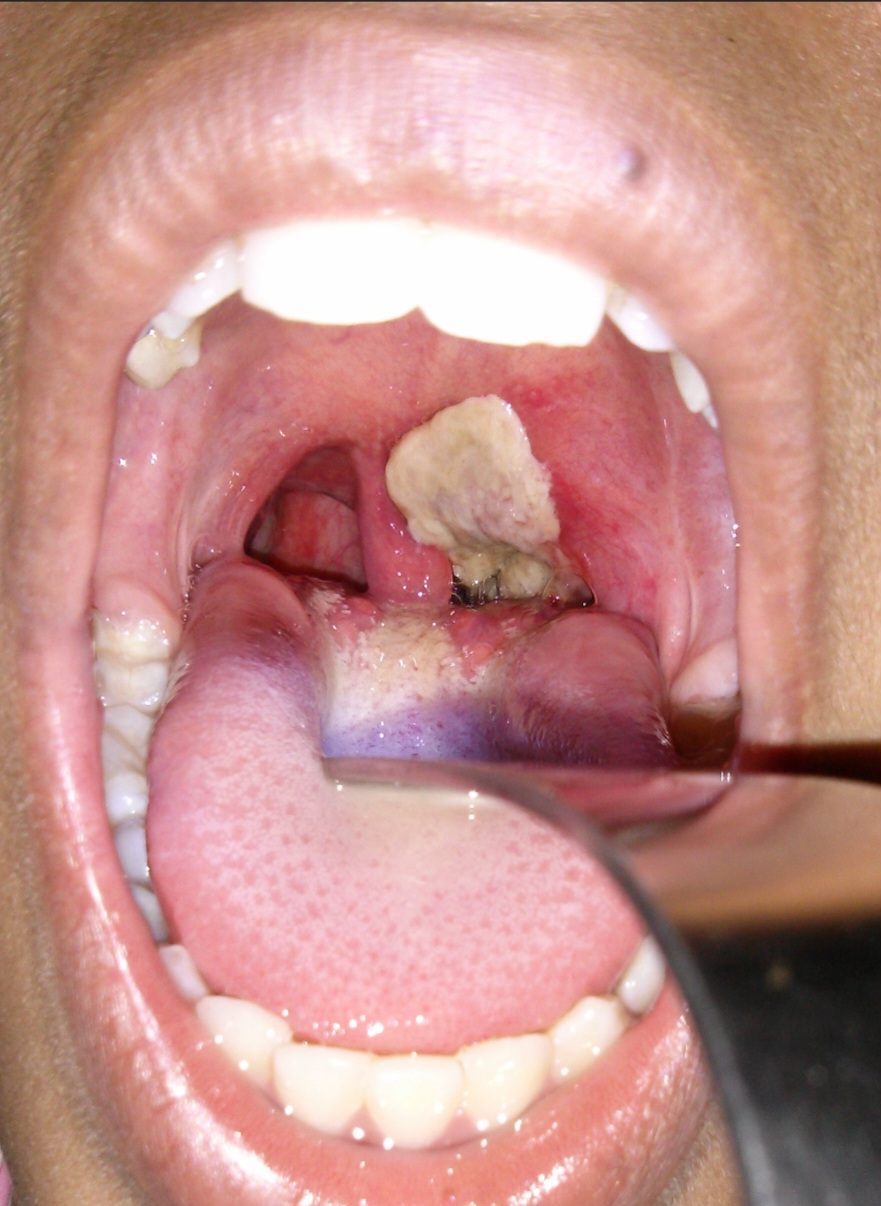
It warned that a thick grey or whitish membrane in the throat, tonsils, nose or airway, difficulty breathing or significant swelling of the neck requires urgent medical attention.
The Foundation cautioned against attempting to remove any membrane from the throat or relying solely on home remedies and self-medication, urging anyone with symptoms suggestive of diphtheria to seek medical attention promptly.
It emphasised that vaccination remains the most important tool for preventing diphtheria and urged parents and caregivers to ensure that children receive recommended routine and catch-up vaccinations.
The Foundation also called on traditional and religious leaders to promote vaccination, early healthcare-seeking and accurate health information, while urging schools to strengthen health education and encourage parents to keep children’s immunisation up to date.
It further appealed to healthcare workers to maintain a high level of suspicion for suspected cases and promptly report them through established public-health channels.
The Foundation urged government and health authorities to strengthen vaccination programmes, surveillance, laboratory capacity, case management, contact tracing and community engagement.
It also called on media organisations and digital platforms to counter misinformation by disseminating verified health information from credible sources.
The AAG Foundation described the initiative as a call to collective action, stressing that preventing diphtheria requires the involvement of every sector of society.
“Diphtheria is preventable. Early action saves lives. Everyone has a role to play,” the Foundation said.
It reaffirmed its commitment to working with government and other partners to strengthen community awareness, advocacy and collective action against diphtheria and other preventable public-health threats.