


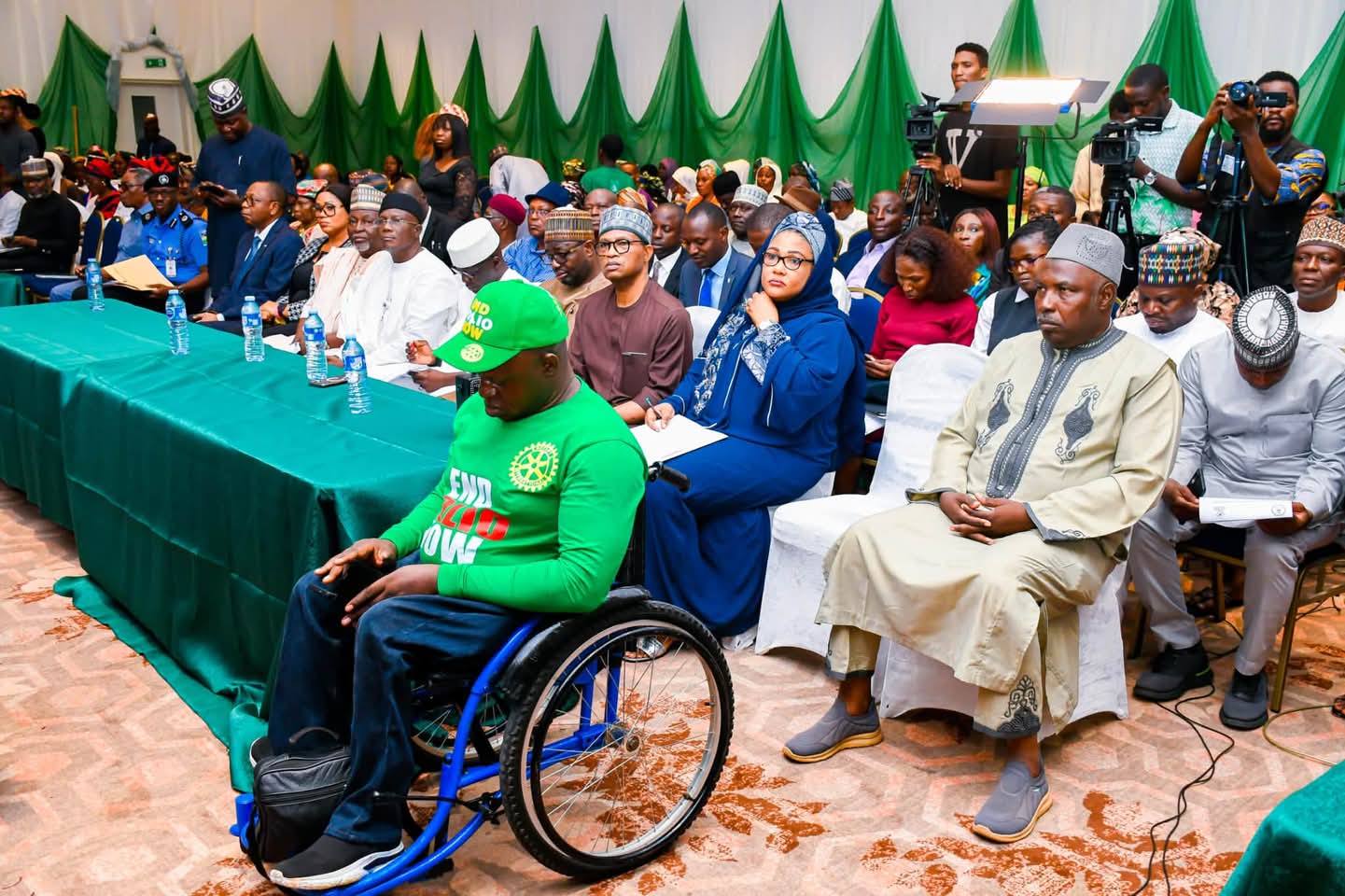
Nigeria has joined the global community to commemorate the 2026 World Humanitarian Day, with a call for stronger solidarity, improved domestic financing and greater empowerment of local communities affected by crises.
The commemoration, held in Abuja, brought together government officials, humanitarian and development partners, civil society organisations, the INGO Forum, Nigeria Humanitarian Action (NIHA), the ECOWAS Commission, the National Commission for Refugees, Migrants and Internally Displaced Persons (NCFRMI), Future of Nigeria Youth Initiative (FNYI), OPay Digital Services Limited and other private-sector stakeholders.
Read also: Kano Assembly Tackles Soaring House, Shop Rents
The event, themed “Strengthening Global Solidarity and Empowering Local Communities,” also featured the third edition of the Humanitarian and Development Roundtable.
Speaking at the event, the Minister of Humanitarian Affairs and Poverty Reduction, Dr Bernard M. Doro, said the theme must translate into concrete action that strengthens Nigeria’s institutions and enables communities to withstand, recover from and overcome crises.
The Minister said while international partnerships remain important to humanitarian response, Nigeria must also strengthen its domestic systems and financing mechanisms to ensure sustainable support for vulnerable populations.

He said this approach was reflected in the Ministry’s One Humanitarian, One Poverty Response System (OHOPRS), which seeks to integrate humanitarian response, social protection and poverty reduction into a coordinated national framework.
Read also: Kano, NWDC to Harmonise Data for Rural Dev Projects
According to him, emergency assistance should not end when a crisis subsides, stressing that affected families must be supported through recovery, resilience-building and sustainable pathways out of poverty.
Dr Doro also called for improved welfare, professional development, remuneration and incentives for humanitarian workers who continue to serve vulnerable communities, often under difficult and dangerous conditions.
The gathering recognised the contributions of humanitarian workers who dedicate themselves to protecting lives, restoring dignity and providing hope to people affected by conflict, disasters and other forms of vulnerability.
The stakeholders reaffirmed the need for stronger partnerships among government, communities, humanitarian organisations, development partners and the private sector to build resilient communities and ensure that humanitarian action remains people-centred.
Read also: Minister Defends Tinubu’s Economic Reforms, Promises Relief for Nigerians
The Minister further urged stakeholders to choose compassion, solidarity and action in responding to humanitarian crises, stressing the importance of empowering communities to become more resilient and self-reliant.
Nigeria’s commemoration of World Humanitarian Day 2026 therefore renewed the commitment of stakeholders to strengthening humanitarian response and ensuring that vulnerable populations receive sustained support beyond periods of emergency.