


Jamilu Abubakar
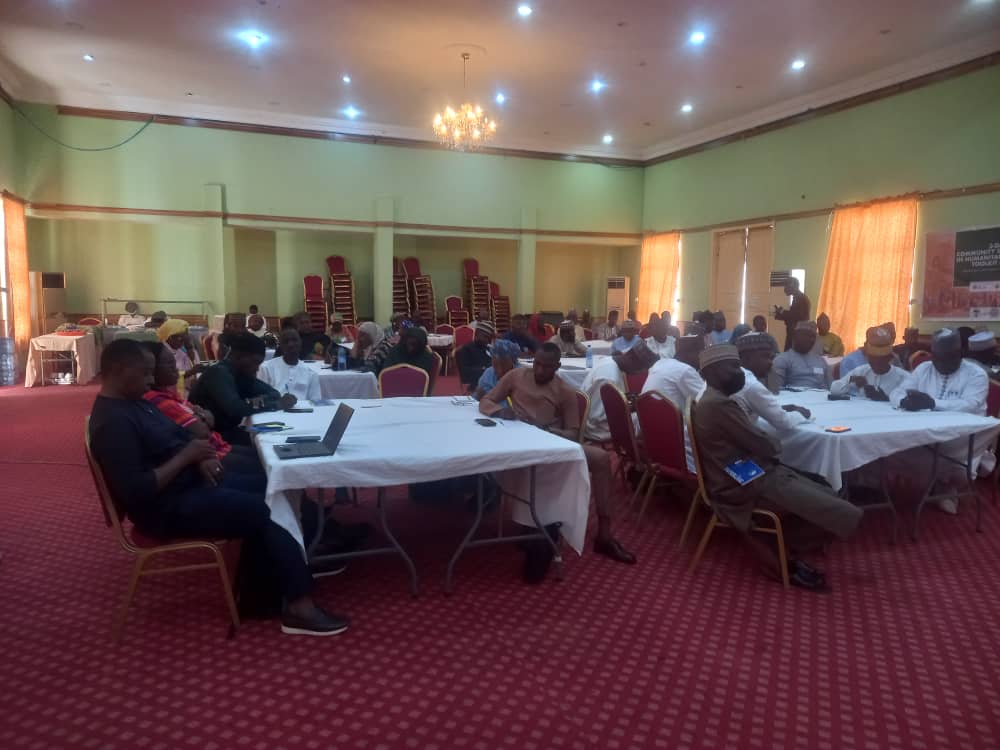
The National Emergency Management Agency (NEMA), in collaboration with the United Nations Children’s Fund (UNICEF), has commenced a three-day training to strengthen disaster preparedness, community engagement and emergency response across seven northern states.
Read also: Say No to Vote Buying, Violence, Minister Urges Nigerians
The training, being held in Gombe State, has participants from Adamawa, Bauchi, Borno, Gombe, Plateau, Taraba and Yobe States.
It focuses on the Community Engagement for Social and Behaviour Change in Humanitarian Action Toolkit (CHAT), with emphasis on disaster preparedness, risk communication, accountability and coordinated emergency response.
UNICEF, NEMA Strengthen Emergency Response Across Northwest

Representing the Operations Office of NEMA, the Zonal Chief Officer, Abubakar Haruna, said the training was particularly timely given the increased risk of flooding and windstorms during the rainy season.
Haruna stressed that disaster management required collective efforts, noting that government agencies, communities and other stakeholders must work together before, during and after emergencies.
He said NEMA had continued to engage traditional and religious leaders, state and local government authorities, as well as the media, to sensitise communities following the release of seasonal rainfall predictions.
The NEMA official also urged state governments to strengthen their disaster management structures and make effective use of ecological funds to address emerging risks.
Read also: Speaker Commissions Soba Projects to Boost Education, Healthcare
He maintained that NEMA could not shoulder the responsibility of disaster management alone, stressing the importance of stronger collaboration with states and communities.
On her part, UNICEF Nigeria Deputy Representative, Dr Rownak Khan, said emergencies require coordinated interventions across multiple sectors.
She explained that disasters such as floods could disrupt shelter, food supply, education, water, sanitation and other essential services.
Dr Khan therefore called on governments to provide effective leadership and coordination to ensure timely and comprehensive responses to humanitarian emergencies.
Also speaking, UNICEF Social and Behaviour Change Officer for Emergencies, Margaret Adaba Soyemi, said the training would enhance the capacity of emergency responders to effectively engage affected communities and communicate disaster risks.
She noted that women and children often bear the greatest burden during humanitarian crises, making community-centred approaches critical to emergency response.
The Director of Community Outreach and Development at the National Orientation Agency, Adeline Patari, said the agency’s grassroots presence would complement efforts to mobilise communities and strengthen risk communication.
Read also: ABU Honours Onitsha Monarch During Ofala Festival
NEMA Holds Emergency Drill to Enhance Disaster Preparedness
The Executive Secretary of the Gombe State Emergency Management Agency, Haruna Abdullahi, urged participants to apply the knowledge acquired during the training to improve disaster preparedness and emergency response in their respective states.