


Stakeholders in Nigeria’s agricultural sector have called for increased investment in mechanisation to boost food production, create jobs and improve the livelihoods of farmers.
The call was made at a High-Level National Policy Dialogue on Agricultural Mechanisation held on July 12, 2026, with the theme, “Anchoring National Food Sovereignty through Sustainable Agricultural Mechanisation Policy, Innovation and Strategic Investment.”
Read also: Affordable Housing: FG Advances 10,000 Units Across Nigeria
Sankara Nigeria Ltd Trains BUK Students in Modern Agricultural Mechanization
The forum brought together government officials and key stakeholders to discuss practical measures for expanding farmers’ access to modern agricultural machinery and mechanisation services across the country.
Speaking at the event, Borno State Governor, Professor Babagana Umara Zulum, stressed the need for stronger investment in agricultural mechanisation to increase productivity, improve farmers’ livelihoods and strengthen food security.

Zulum emphasised the importance of making modern agricultural equipment accessible to farmers, noting that mechanisation was critical to increasing agricultural productivity and improving livelihoods.
The Minister of Livestock Development, Idi Mukhtar Maiha, said the livestock sector remained central to Nigeria’s efforts to diversify the economy, create employment, increase food production and strengthen livelihoods.
Maiha noted that the benefits of livestock development extend beyond livestock farmers, as the sector contributes to food supply, employment and other aspects of Nigerians’ daily lives.
He said the display of fresh milk and other livestock products at the event demonstrated the important role of livestock in the country’s food system and economy.
Read also: Federal Universities Get Green Light to Recruit Staff
The Minister of Agriculture and Food Security, Senator Abubakar Kyari, said the Federal Government was committed to developing a sustainable agricultural mechanisation ecosystem that would improve productivity, reduce production costs and expand access to modern machinery and services.
Kyari explained that agricultural mechanisation goes beyond the provision of tractors, covering the entire value chain, including land preparation, planting, irrigation, harvesting, processing, storage, logistics and transportation.
He said the Federal Government, through the Renewed Hope National Agricultural Mechanisation Programme, was procuring and onboarding thousands of tractors and agricultural implements to expand mechanised farming nationwide.
The Minister also disclosed plans to establish a mega assembly plant with the capacity to produce between 2,000 and 4,000 units of agricultural machinery annually.
According to him, the initiative is expected to reduce Nigeria’s dependence on imported machinery, promote local manufacturing, create jobs and strengthen the country’s agricultural industrial base.
Kyari called for stronger collaboration among governments, investors, development partners, research institutions and other stakeholders to build a sustainable agricultural mechanisation ecosystem.
He said the National Agricultural Mechanisation Policy and the National Agricultural Mechanisation Business Strategy would provide a framework for investment, coordination and implementation in the sector.
WOFAN Invests N40 Million in BUK to Produce Job-Creating Agripreneurs
Read also: Speaker Commissions Soba Projects to Boost Education, Healthcare
The Minister expressed confidence that stronger collaboration would help transform Nigeria’s agricultural potential into a productive and competitive sector capable of strengthening food security and food sovereignty.
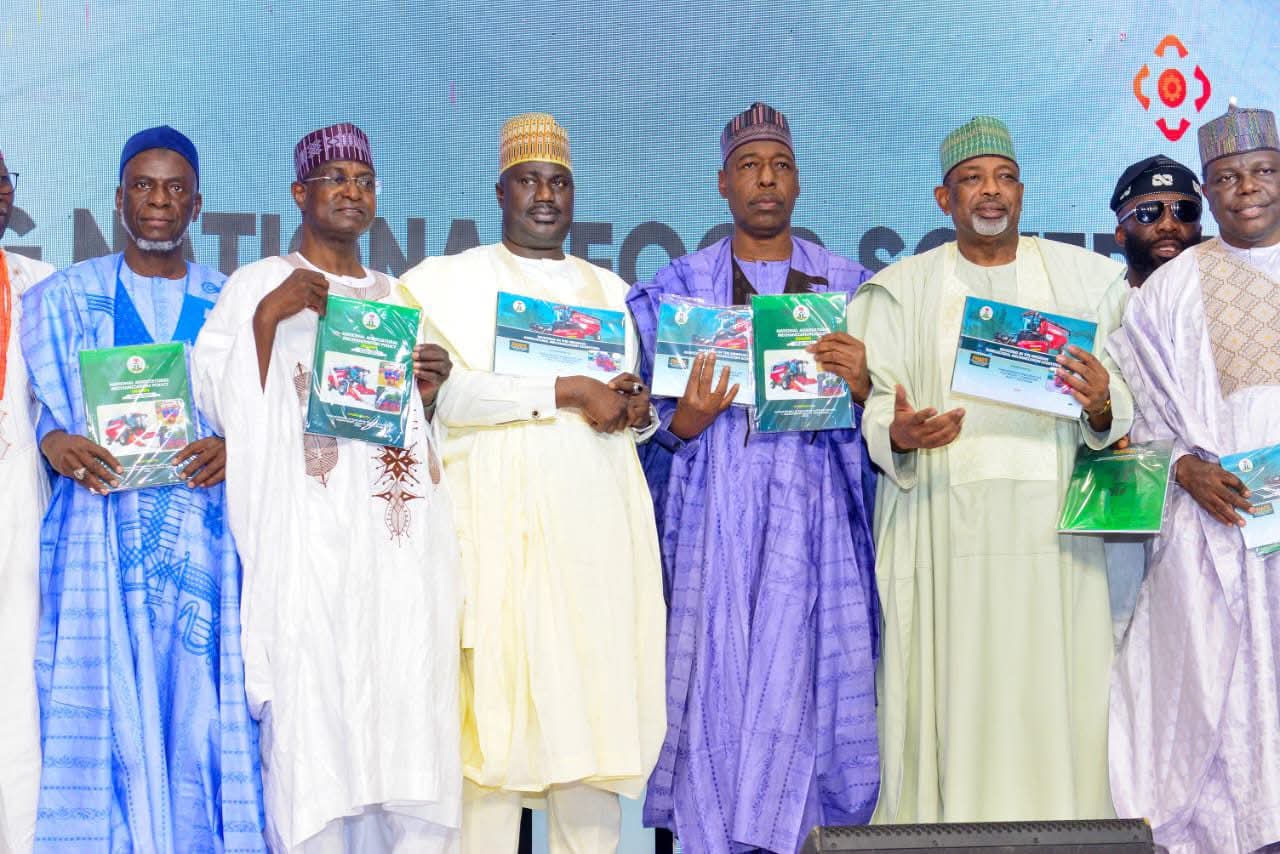
The forum culminated in the unveiling of the National Agricultural Mechanisation Policy Document (NAMP) 2026–2031, providing a policy framework for advancing sustainable mechanisation and investment in Nigeria’s agricultural sector.