
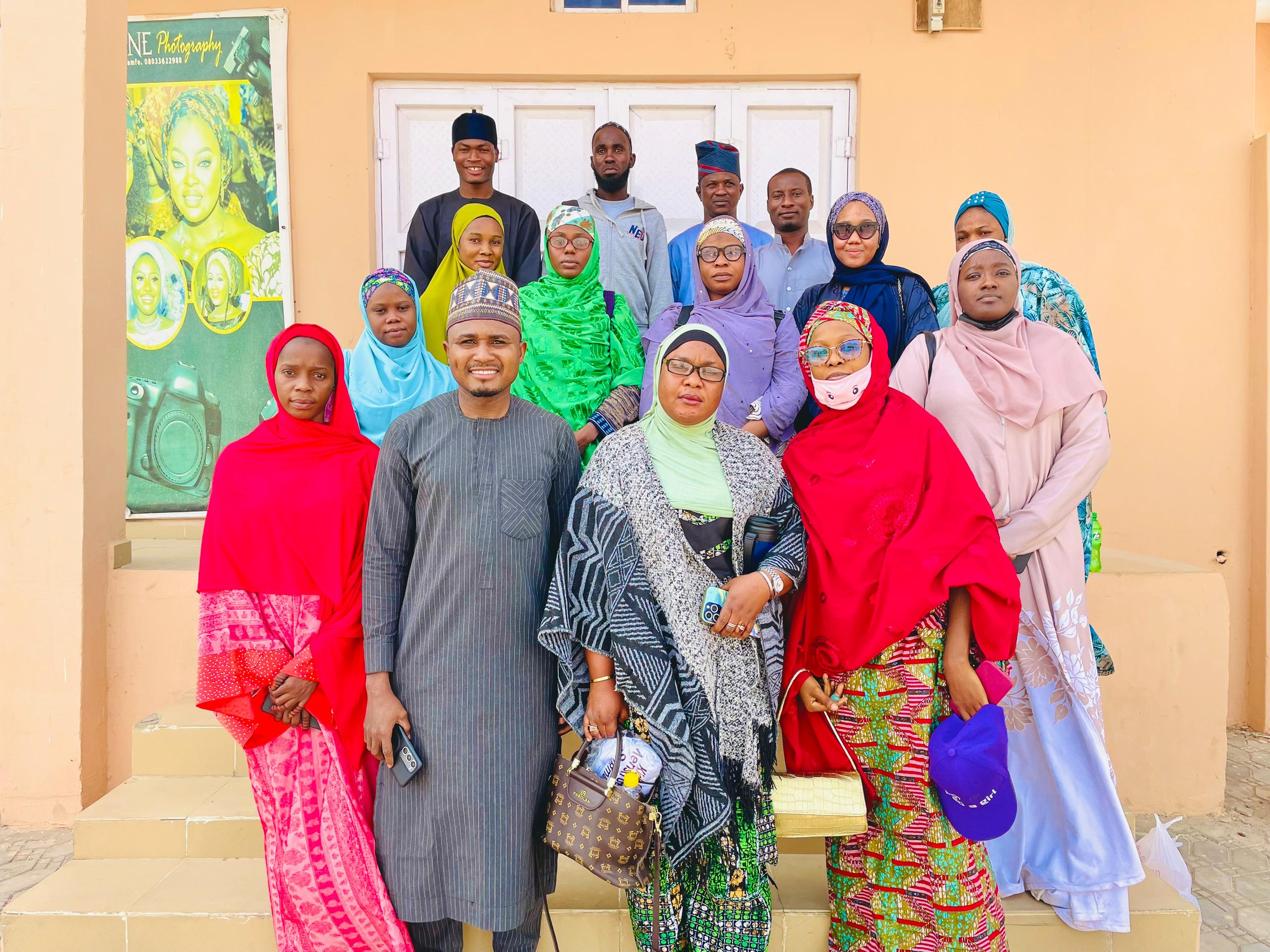
Premier Radio staff member and journalist, Aminu Abdullahi Ibrahim, has organised a comprehensive menstrual health and hygiene training programme in Kano, alongside the distribution of free reusable sanitary pads, aimed at improving awareness, knowledge, and support for vulnerable women and girls.
The event, attended by 20 participants, was held on Sunday at PR Nigeria and brought together women and men from diverse backgrounds.
Read also: Gombe Trains 104 Health Workers to Reduce Newborn Deaths
The training focused on menstrual health education, personal hygiene practices, emotional well-being during menstruation, and the safe and dignified management of menstrual periods.
During the sessions, facilitators provided practical demonstrations on the correct use, washing, drying, and storage of reusable sanitary pads, while also addressing common myths and misconceptions surrounding menstruation.
Participants were encouraged to ask questions freely, helping to create an open and supportive learning environment.
Speaking at the event, Aminu Abdullahi Ibrahim explained that the initiative was designed not only to educate women but also to actively involve men in conversations around menstrual health.
He said the programme aimed to break cultural silence and stigma surrounding menstruation and to promote shared responsibility within families and communities.
He added that the training and pad distribution would be organised every three months to sustain awareness, education, and support.
Read also: Gombe Steps Up Efforts to Save Premature Babies
Another journalist, Tukur S. Tukur, highlighted the importance of men playing active roles in marriage and family life by understanding women’s health needs and ensuring access to sanitary materials, especially for low-income households.
One of the facilitators, Hajiya Amina Sabiu Musa, described menstrual health as a public and societal issue that affects education, productivity, and dignity.
She noted that collective understanding and community involvement are essential in supporting women and girls during menstruation.
She commended the participation of both men and women, stressing that inclusive discussions help improve awareness of the physical, emotional, and psychological changes women experience during their menstrual cycle.
She also urged parents to provide proper guidance to children and adolescents on menstrual hygiene and responsibility.
Maryam Abbas Muhammad, who facilitated a session on personal hygiene during menstruation, educated participants on the health risks associated with poor menstrual hygiene, including infections and other preventable diseases.
Read also: UNICEF Seeks Increased Funding for Child Nutrition in Adamawa
She called on communities, religious leaders, and organisations to support vulnerable women by providing sanitary materials and continuous education, noting that reusable pads offer a cost-effective and environmentally friendly option.
The meeting was attended by health experts and representatives of various non-governmental organisations, who pledged to continue advocating for improved menstrual health and hygiene awareness, as well as increased access to affordable sanitary products across communities in Kano State.