


Tukur Garba Arab
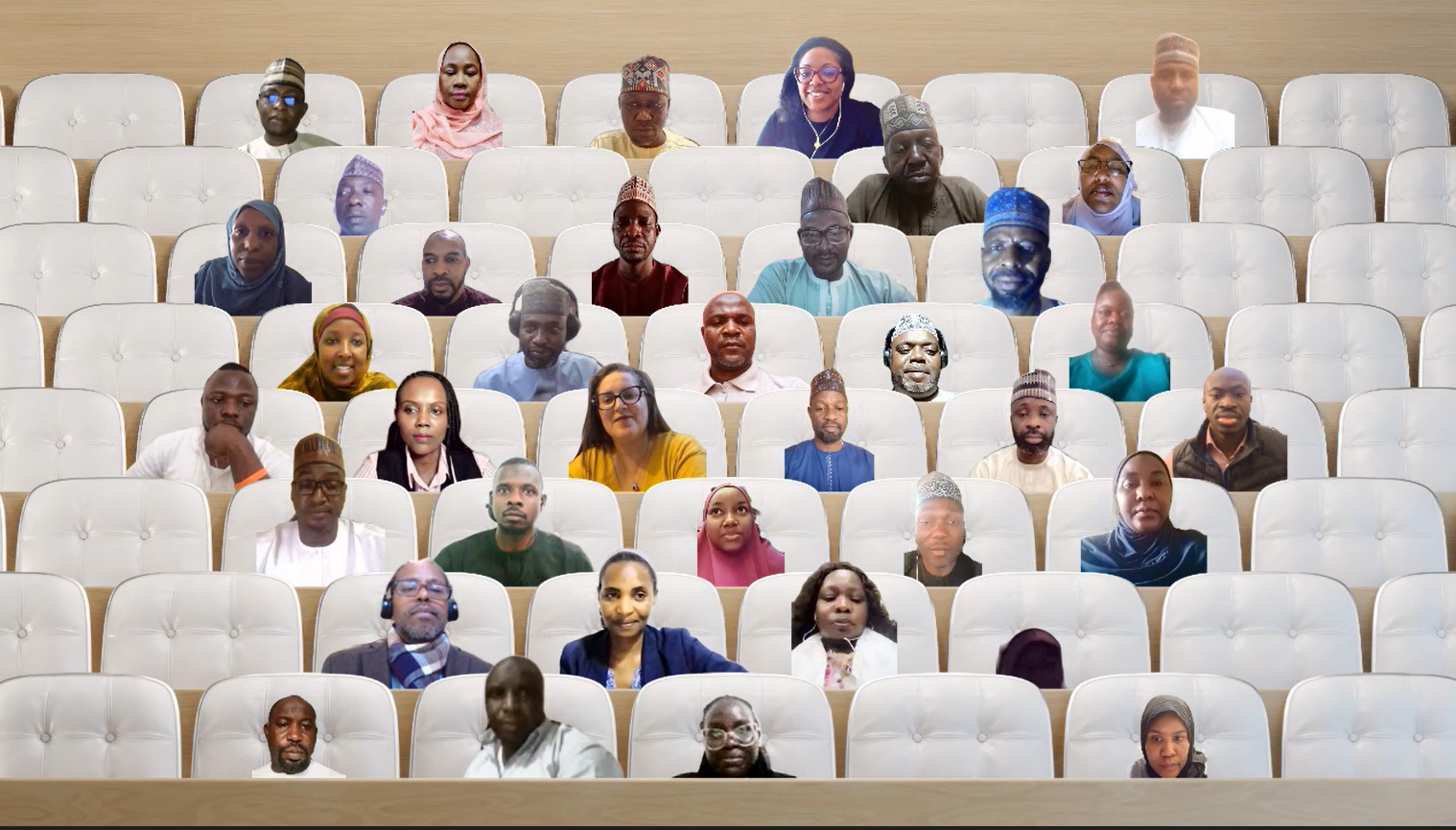
The OpenSchool Initiative has graduated 55 fellows from its Pan-African AI Governance Fellowship, marking a significant step in strengthening Africa’s capacity to regulate and oversee artificial intelligence as adoption expands across sectors.
Read also: APC Presents Governorship Flag to Yusuf at 2027 Campaign Flag-Off
The four-month programme attracted more than 800 applications from professionals across the continent, with just over 70 participants selected from 22 countries. Organizers confirmed that 55 fellows successfully completed the intensive training programme.
The fellowship was delivered in collaboration with Cosmopolitan University, System Strategy and Policy Lab, and Tanzeel, and focused on building technical and policy expertise needed to guide the development and regulation of AI systems across Africa.
The initiative comes at a time of growing global attention on artificial intelligence governance, as policymakers seek to address concerns over safety, accountability, and the concentration of technological power in a few major economies, including the United States, European Union, and China.
The fellowship was co-led by Engr. Abba Muhammad Gadanya and Najeeb G. Abdulhamid, a lead volunteer with OpenSchool, who helped design the governance and regulatory framework underpinning the training.
Read also: Islamic Summit in Kano Urges FG to Address Insecurity, Economic Hardship
Participants received instruction on algorithmic accountability, AI risk classification models, public-sector procurement safeguards, and cross-border regulatory coordination. Fellows also developed capstone projects, including draft national AI policy frameworks and sector-specific governance models intended for institutional adoption.
The virtual graduation ceremony featured a keynote address by Catherine Muraga, Managing Director of the Microsoft Africa Development Center, a subsidiary of Microsoft based in Nairobi, Kenya.
Speaking at the event, Gadanya emphasized the importance of African leadership in shaping AI governance.
“Africa must not remain a consumer of artificial intelligence. We must become architects of its governance,” he said.
Observers say African governments face the dual challenge of accelerating digital transformation while building institutional capacity to regulate emerging technologies effectively.
Read also: UNICEF Seeks Increased Funding for Child Nutrition in Adamawa
Organizers noted that the fellowship aims to create a distributed network of policymakers, engineers, academics, and civil society actors capable of contributing to national and regional AI governance efforts.
The graduation marks the conclusion of the current cohort, with OpenSchool indicating that future editions of the fellowship are under consideration as demand for AI governance expertise continues to grow across the continent.