


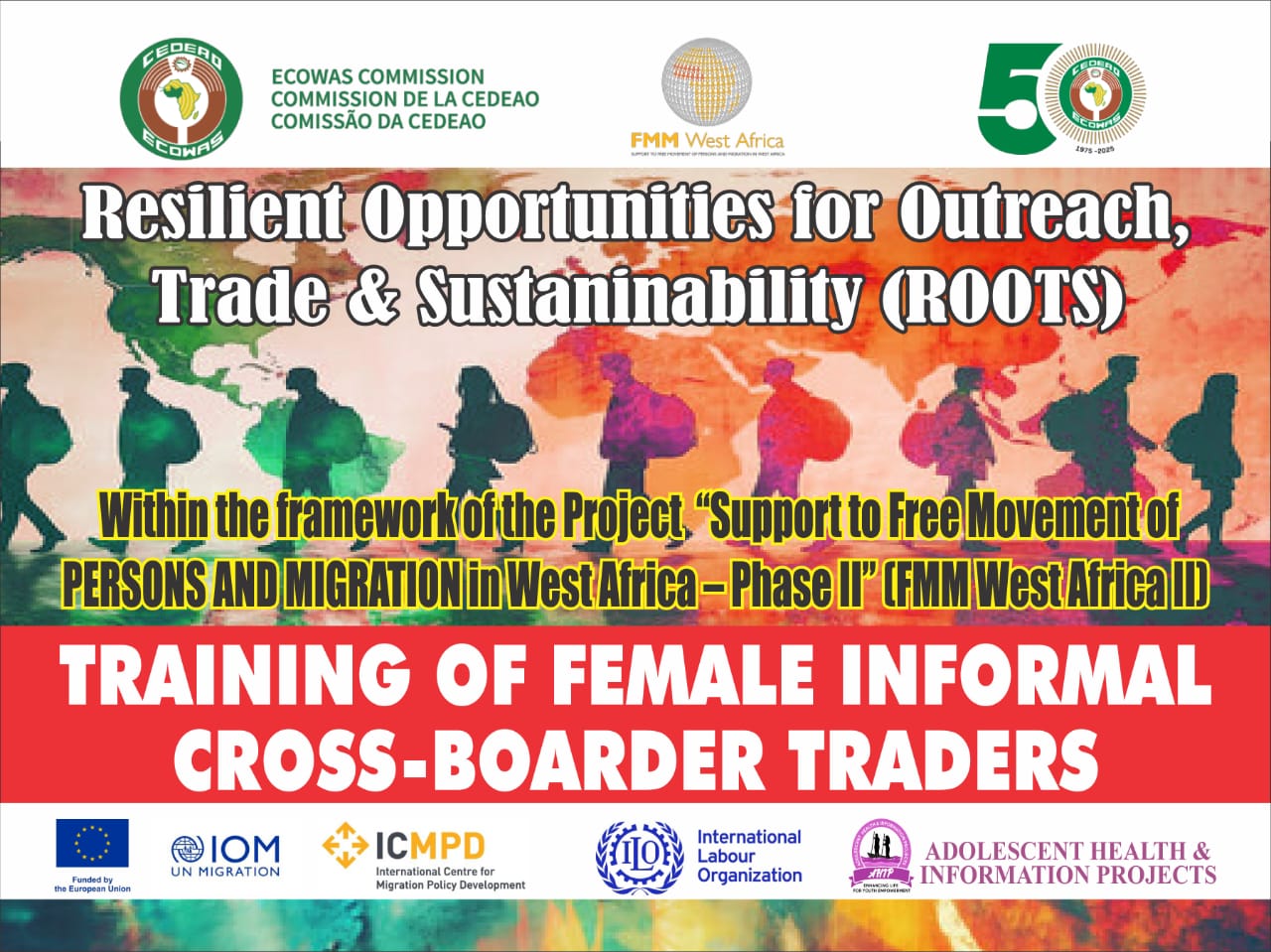
The Adolescent Health and Information Projects (AHIP), in collaboration with the International Organization for Migration (IOM), has trained 50 female informal cross-border traders in Kano State on safe migration practices and business management.
The training was organised under the ROOTS Project, implemented by AHIP in partnership with IOM, to equip women traders with the knowledge and skills needed to conduct their businesses safely and sustainably.
Read also: Gombe Steps Up Efforts to Save Premature Babies
Speaking to journalists, one of the participants Mariya Sani Abubakar,described the training as timely, saying it had equipped her with essential information on how to avoid irregular migration and comply with cross-border trade regulations.
She explained that participants were sensitised on the importance of obtaining valid international passports, yellow fever vaccination cards and other relevant travel documents to enable them to conduct their businesses without fear.
The participant also said the training had taught her how to distinguish business profits from capital and manage her finances to improve the growth and sustainability of her business.
Read also: UNICEF Seeks Increased Funding for Child Nutrition in Adamawa
Mariya urged women to embrace business activities to achieve financial independence and become self-reliant.
In his remarks, AHIP Programme Officer, Dalhatu Bawa, said the training was organised to educate female informal cross-border traders on the importance of following established procedures while conducting their businesses.
He observed that some traders had lost their sources of livelihood due to their failure to comply with relevant regulations, stressing that the training would help participants adopt safer and more organised business practices.
Bawa expressed optimism that the knowledge acquired would enable the traders to transport their goods to intended markets without fear while protecting their livelihoods.
Read also: CDA Demonstrates Improved Groundnut Varieties to Farmers
He urged cross-border traders to desist from unlawful activities and practices that could endanger their lives or expose them to unnecessary risks.
The training attracted 50 female informal cross-border traders from the project’s target local government areas in Kano State.