


Jamilu Abubakar
The United Nations Children’s Fund (UNICEF) and the Gombe State Government have identified the first 1,000 days of a child’s life as the most critical period for preventing malnutrition and ensuring healthy growth and development.
Read also: ABU SPESSE-CE Graduates 420 in Sustainability Training
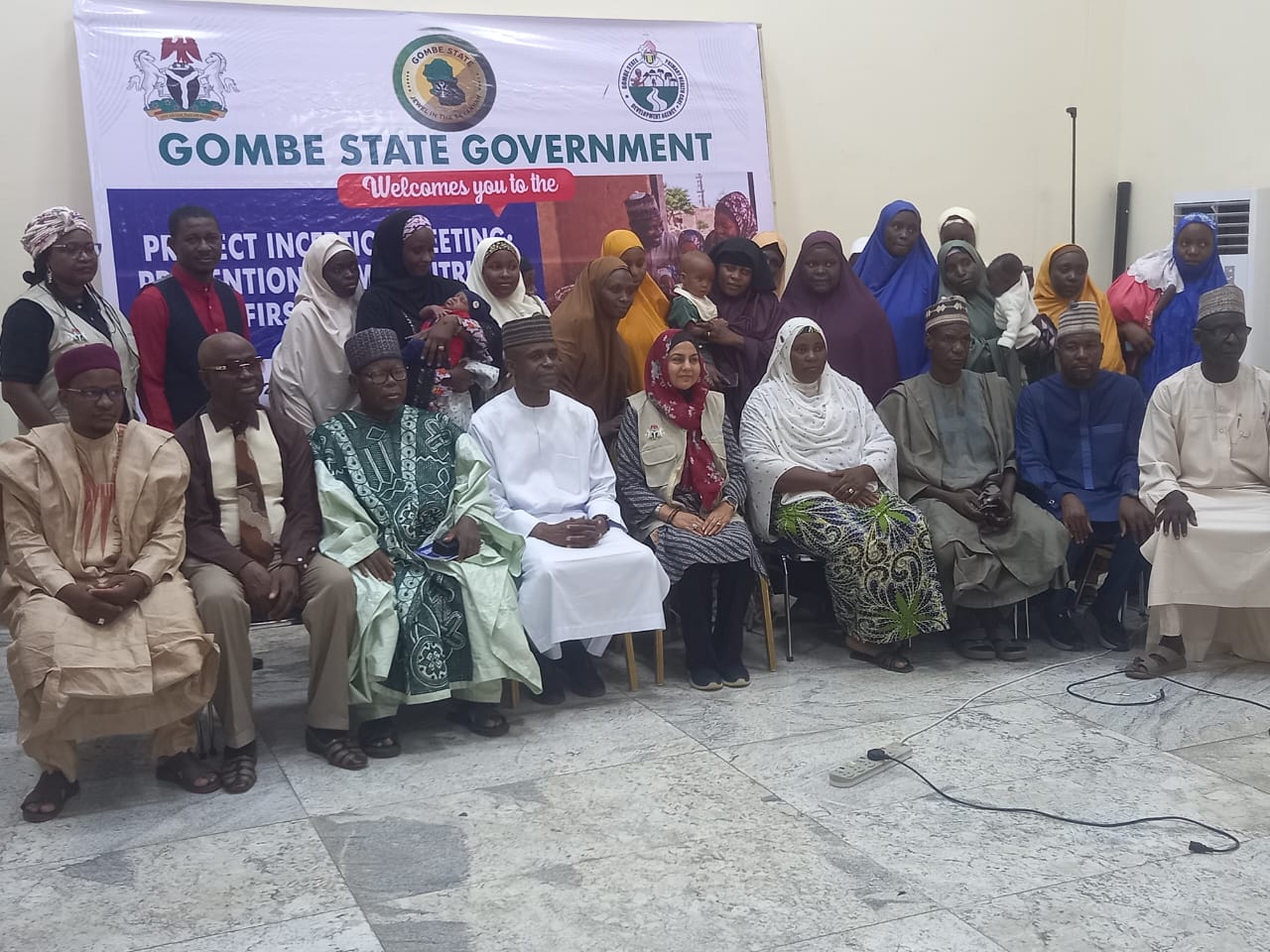
Speaking at the launch of the Preventing Malnutrition in the First 1,000 Days project in Gombe, UNICEF Chief of Field Office, Bauchi, Dr. Nuzhat Rafique, described the period from conception to a child’s second birthday as a crucial window for brain development, physical growth, immunity and lifelong health.
UNICEF, Northwest States Chart New Course for Child Protection
Dr. Rafique said investing in nutrition during this stage gives children the best chance to survive, learn effectively and achieve their full potential.

Read also: ABU Honours Onitsha Monarch During Ofala Festival
She explained that the initiative is designed to strengthen nutrition services for pregnant women, infants and young children, while promoting improved infant and young child feeding practices within families and communities.
Also speaking, UNICEF Nutrition Specialist, Philomena Irene, said preventive nutrition interventions during the first 1,000 days are essential to breaking the cycle of malnutrition, poverty and poor health outcomes.
She urged expectant mothers, caregivers and families to adopt healthy nutrition practices from pregnancy through a child’s first two years, noting that protecting children during this critical period would contribute to healthier communities and sustainable development.
Read also: WOFAN Turns Years of Hardship into Renewed Hope for Spinal Cord Patient in Jigawa
Gombe Strengthens Fight Against River Blindness
The project is expected to support efforts to reduce child malnutrition and improve maternal and child health outcomes across Gombe State.