


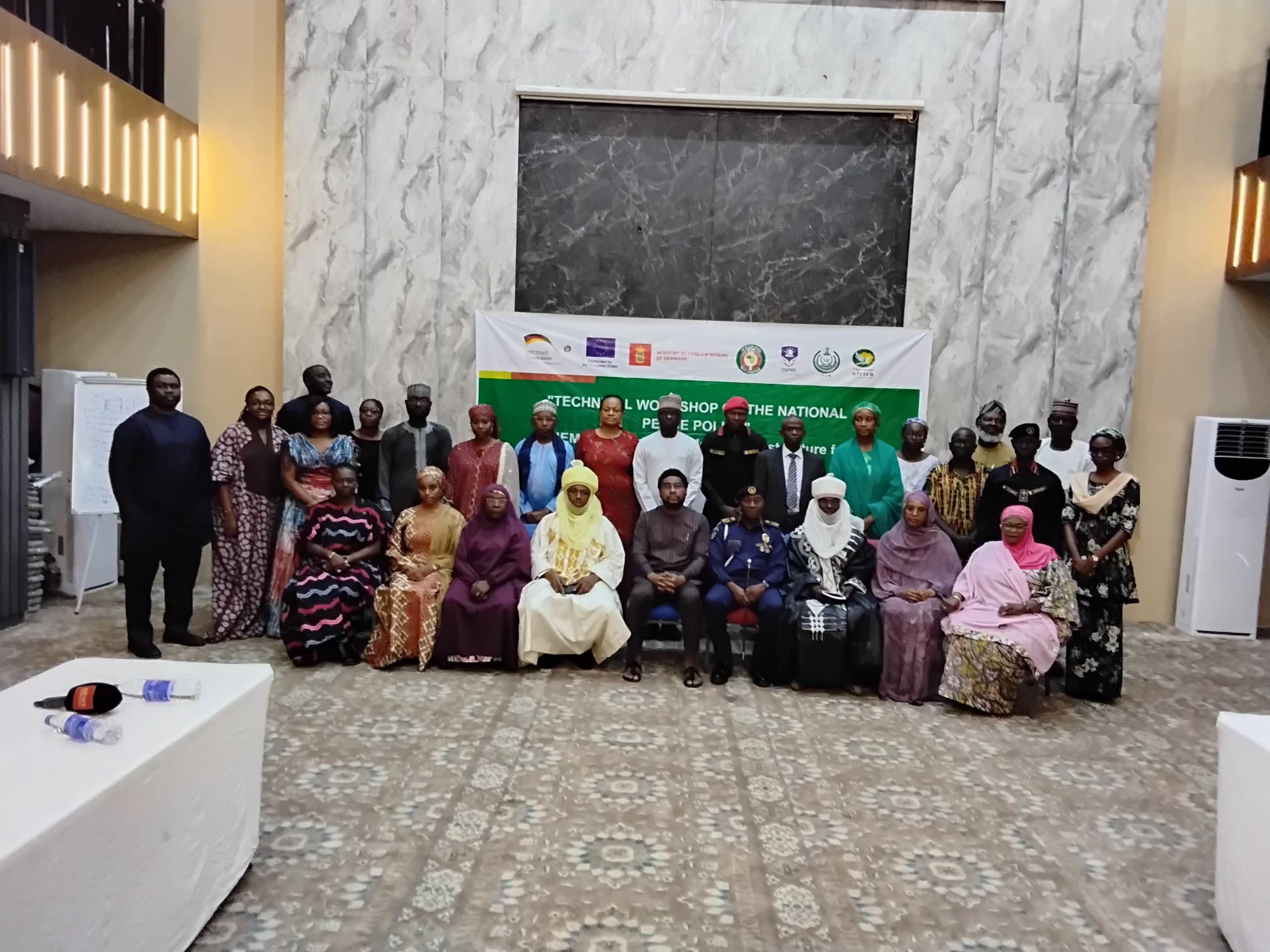
Stakeholders in peacebuilding, conflict prevention and resilience have convened in Kano for a one-day policy dialogue on “Building an Inclusive National Infrastructure for Peace and Resilience in Nigeria.”
The dialogue was organised by the Office for Strategic Preparedness and Resilience (OSPRE), popularly known as Nigeria’s National Early Warning Centre, in collaboration with the Institute for Peace and Conflict Resolution (IPCR) and Triple Peace Africa.
Read also: Kano, NWDC to Harmonise Data for Rural Dev Projects
Nigeria Charts Child-Centric Roadmap to 2050 with UNICEF Support
The engagement brought together peacebuilding scholars and researchers, traditional and community leaders, religious leaders, civil society organisations, women and youth groups, government officials, security and justice sector representatives, development partners and other stakeholders.
The Kano dialogue forms part of a nationwide series of consultative engagements aimed at gathering regional perspectives and incorporating them into an emerging national policy framework on peace and resilience.

Speaking at the event, the Director-General of OSPRE, Chris Ngwodo, said the Federal Government was collaborating with relevant stakeholders to develop an inclusive national infrastructure for peace that would cover all states, local government areas and communities.
Mr Ngwodo said the initiative was designed to align existing peacebuilding efforts across the country and provide national support to community-led solutions to insecurity and conflict.
He stressed that the role of the Federal Government was not to replace initiatives developed by communities, but to support, resource and strengthen them.
The OSPRE Director-General said communities understand their challenges better because of their lived experiences, adding that government would work collaboratively with them to develop sustainable responses to those challenges.
A policy expert from the Department of Political Science, University of Jos, Professor Nanji Umoh, said the policy dialogue was important in addressing Nigeria’s persistent insecurity and divisions along ethnic and religious lines.
Read also: RMAFC Chairman Demands Accountability, Discipline
IPCR, FUL Forge Alliance to Advance Peacebuilding, Research
Professor Umoh said the initiative was adopting a bottom-up approach by seeking the views of communities and allowing them to contribute to the development of the national peace policy.
She said the success of the policy would be measured by reduced insecurity, improved harmony and stronger peaceful relationships from the federal level to the grassroots.
The workshop facilitator, Hannatu Maina, identified banditry and youth involvement in criminal activities as some of the major challenges requiring urgent attention in the North-West.
She expressed hope that the engagement would produce practical recommendations for preventing conflicts and shifting the country’s approach from reactive responses to preventive peacebuilding.
In a goodwill message, the Kano State Commandant of the Nigeria Security and Civil Defence Corps, NSCDC, Muhammad Hassan, described Kano as one of the most peaceful states in the country despite its large population.
He said the Corps would continue to work with relevant stakeholders to strengthen peace and security in the state.
Also speaking, the Kano Coordinator of the National Human Rights Commission, NHRC, Shehu Abdullahi, called for practical solutions to emerging challenges, including the erosion of family values, inadequate inclusion of women in decision-making and limited access to justice.
Read also: Kano Assembly Tackles Soaring House, Shop Rents
The stakeholders recommendations will contribute to the development of an inclusive national policy framework for peace, conflict prevention and resilience in Nigeria.
The dialogue attracted peacebuilding scholars and researchers, traditional and community leaders, religious leaders, civil society organisations, women and youth groups, government officials, security and justice sector, development partners and relevant stakeholders in peacebuilding, conflict prevention and resilience.