


For nearly two years, a California engineer struggled with frightening health problems, without knowing that the explanation might be closer to her than she imagined. Repeated bouts of severe vomiting left her seeking emergency medical attention, while the people around her had little idea of what was happening.
But in 2019, a hidden camera placed at her desk captured something that would change the course of the investigation.
Read also: Court Strikes Out FG’s Case Against Fake PFIPC DG
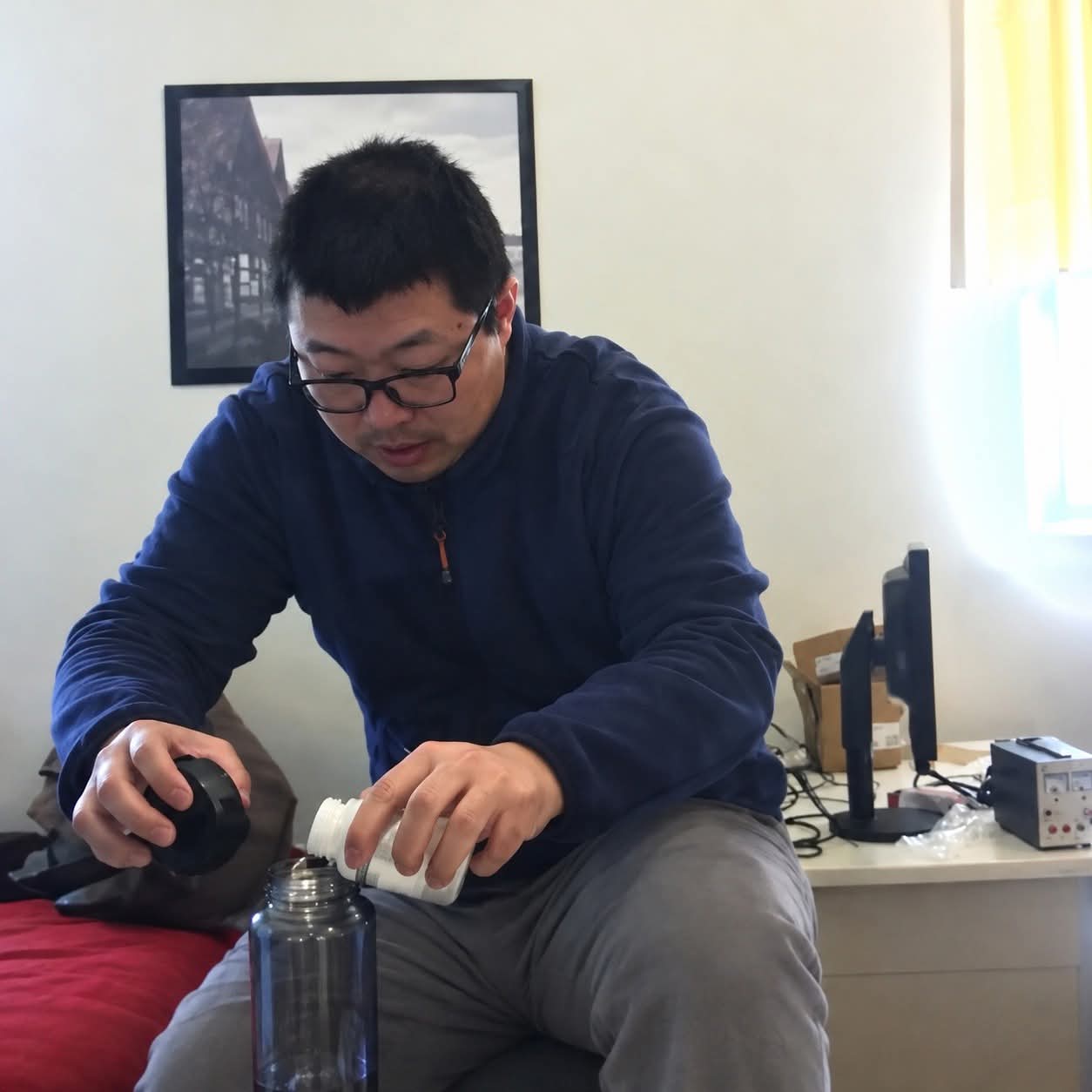
The footage appeared to show her colleague, David Xu, putting a substance into her drinking water. Laboratory testing later detected cadmium, a toxic heavy metal, in the bottle.
According to reports published by The San Francisco Standard and the New York Post on Monday, Xu, a metallurgist working at Berkeley Engineering and Research, had poisoned his colleague, Rong Yuan, through her food and drinking water over a period of approximately 18 months, between 2017 and 2019.
What followed was a criminal case that took years to reach a conclusion, leaving Yuan and her family to deal with the consequences.

Yuan’s health problems reportedly began in 2017. The symptoms were serious enough that she sometimes needed emergency treatment, yet the cause remained unclear.
In November 2018, she informed her colleagues by email that she was feeling unwell and needed to take a day off work.
Xu responded by suggesting that she work from home until she recovered. He also indicated that there was no need for her to hurry back to the office.
In that same email exchange, he reportedly suggested that the workplace itself might be responsible for the problem, writing that he thought the building was mouldy.
At the time, Yuan had no clear reason to suspect that her drinking water could be involved.
However, the discovery that came several months later would raise disturbing questions about what had been happening around her desk.
In early 2019, Yuan installed a hidden camera in her workplace. The recording appeared to capture Xu tampering with her water bottle.
She subsequently arranged for the bottle to undergo laboratory testing. The results detected cadmium, with the reported concentration reaching levels up to 3.5 million times the federal limit for drinking water, according to The San Francisco Standard.
Cadmium is a toxic heavy metal, and its presence in a drinking-water container at such a reported concentration raised serious concerns about the potential danger.
For Yuan, the discovery meant looking back at months of unexplained illness with a completely different understanding of what might have happened.
The consequences reportedly extended beyond Yuan herself. Her parents were also exposed after consuming contaminated water. Her mother had noticed a sour taste on one occasion and had used water from the bottle to prepare food.
This meant that the incident was no longer simply a matter of Yuan’s health. Members of her family had also been affected.
Read also: Nine Schools Shut as Kano Begins Crackdown on Private Institutions
In March 2019, Xu was arrested on charges of attempted murder and poisoning.
Yet, despite the arrest, the legal process did not produce a final resolution quickly. Years passed before the case reached a plea agreement.
In September 2023, Xu pleaded no contest to a single felony count of poisoning. As part of the agreement, the attempted murder charges were dropped.
A no-contest plea means a defendant does not contest the charge; it is not the same as an express admission of guilt.
In March 2024, Xu received a sentence of two years’ probation, with credit for one day already spent in custody, according to the reports.
Yuan sought nearly $500,000 in restitution for the harm suffered by her and her family. However, the amount Xu was ordered to pay was $7,058.
The difference between the amount she requested and the amount awarded was substantial, adding another difficult chapter to a case that had already affected her health and family life.
Xu completed his probation in March 2026. He is now seeking to have his felony conviction dismissed under California’s expungement process.
Under California law, defendants who meet the eligibility requirements and fulfil their probation obligations may apply to have qualifying convictions dismissed. Such a dismissal does not mean that the original incident never occurred.
Meanwhile, Yuan says the health consequences have continued long after the poisoning was discovered. She reportedly remains unable to work full-time.
She has also published a research paper documenting the long-term health effects experienced by herself and her parents. The paper was dedicated to her late father, who died of heart failure.
His death adds a deeply personal dimension to the lasting impact this case has had on the family, although the available report does not establish that his death was caused by the cadmium exposure.
What began as a series of unexplained illnesses eventually led to a hidden-camera recording, laboratory evidence, a criminal prosecution and a conviction.
But even after the legal proceedings and the completion of probation, Yuan continues to deal with the effects of what happened.
The case also raises difficult questions about workplace safety, the protection of employees who suspect they are being harmed, and the limits of what a criminal sentence can do to address lasting physical and emotional consequences.
Read also: MWAN Raises Alarm Over Postpartum Haemorrhage, Urges Community Action
For Yuan, the discovery of what was in her water bottle provided an explanation for a terrifying period of her life. The legal process, however, did not erase the damage she says she continues to experience.
(Source: Punch Newspapers)