


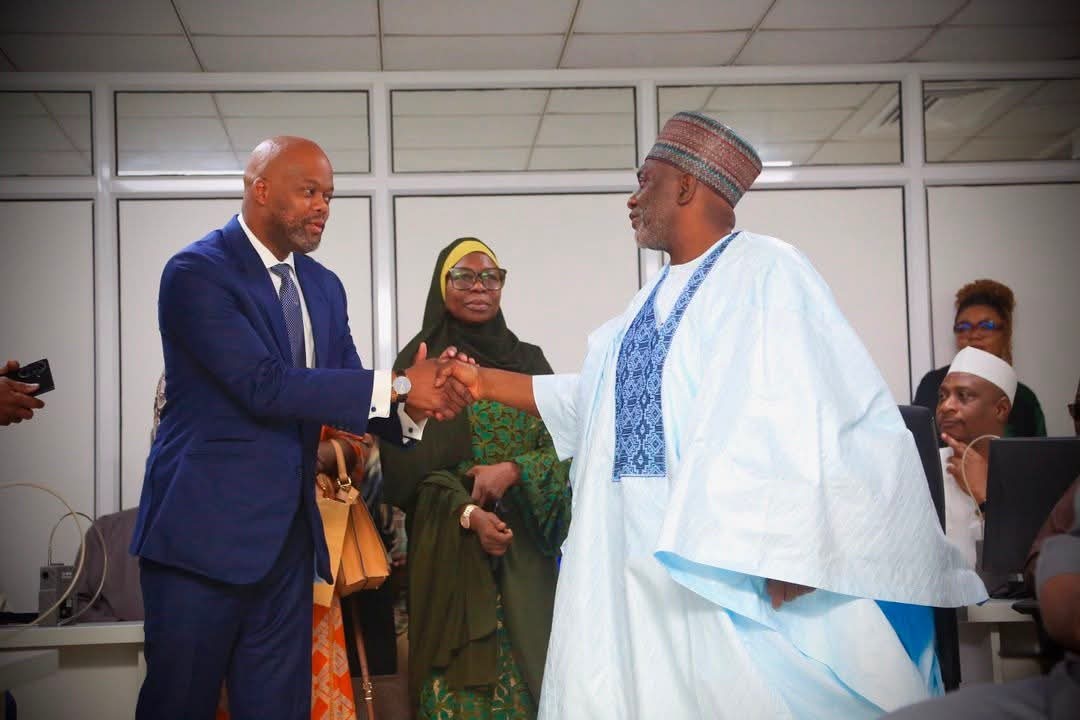
The Senate Committee on Customs and Excise has commended the reforms being implemented by the Nigeria Customs Service, NCS, describing them as evidence of the judicious utilisation of government resources to modernise the Service.
The commendation was made during a two-day retreat between the NCS and the Senate Committee on Customs and Excise in Abuja.
Read also: Kano Assembly Tackles Soaring House, Shop Rents
Customs Pushes Reform Agenda at Kano/Jigawa Workshop
The retreat focused on strengthening legislative oversight and reviewing the Nigeria Customs Service Act.
As part of the programme, members of the Committee toured the Customs House in Maitama, Abuja, where they were briefed on the Service’s modernisation initiatives, technology-driven operations and institutional reforms.
Speaking after the tour, Chairman of the Senate Committee on Customs and Excise, Senator Isah Jibrin, said the visit enabled lawmakers to witness the transformation taking place within the Service firsthand.
Senator Jibrin said the deployment of technology, modern infrastructure and operational innovations had significantly improved the efficiency of Customs operations.
He added that the visit had given lawmakers a better understanding of how funds appropriated to the Service were being utilised.
Read also: Kano Stars Centre Installs Solar Streetlights, Renovates Vigilante Office
The Senator said the reforms demonstrated that government resources were being invested responsibly to strengthen Customs operations, facilitate trade and improve national revenue generation.
Responding, the Comptroller-General of Customs, Adewale Adeniyi, attributed the progress recorded by the Service to the deliberate deployment of technology across various aspects of Customs administration.
He explained that digital solutions had initially been introduced in personnel administration, postings, staff matters and pensions before being extended to core operational responsibilities.
The CGC said the Service would continue to expand the use of technology until virtually every aspect of its operations became technology-driven.
Adeniyi also disclosed that advanced technologies had been deployed in enforcement operations, including virtual shooting simulators, geospatial intelligence and digital surveillance.
He said geospatial intelligence was being used to map patrol routes and strategically position checkpoints to strengthen enforcement operations across the country.
The Comptroller-General noted that the Service’s modernisation initiatives were supported by the Nigeria Customs Service Act.
Read also: EHCON Strengthens Capacity for Safe Reptile Control
Customs Intercepts 154,000 Litres of Petrol in Lagos Border
He cited the Authorised Economic Operator Programme, Advance Ruling, Time Release Study and scanner deployment among initiatives being implemented to modernise Customs operations, facilitate legitimate trade and support the Federal Government’s reform agenda.