


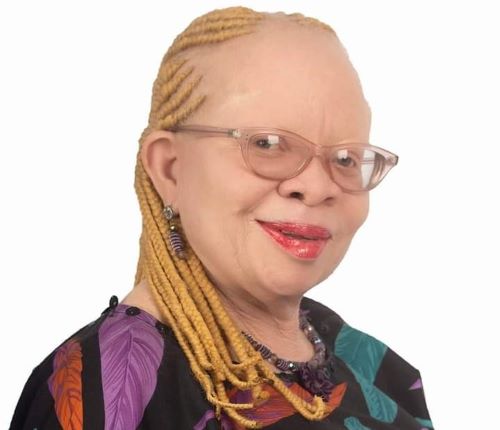
The National President and Executive Director of the Albinism Association of Nigeria (AAN), Bisi Bamishe, has called for a more inclusive, comprehensive, and multi-dimensional approach to addressing women’s issues in Nigeria, particularly those affecting women and girls with disabilities.
Dr. Bamishe made the call on Sunday in Lagos during a press briefing to commemorate the International Women’s Day 2026.
Read also: Lagos Upgrades Yaba Centre for Medical Training
IWD:Kano CoP Urges Mothers, Caregivers to Prioritize Immunization
She expressed concern over the difficult realities many women continue to face in society, noting that women often shoulder significant social and economic responsibilities as mothers, caregivers, and contributors to national development.
According to her, there is an urgent need for stronger policies and social protection systems that prioritize the dignity, protection, and empowerment of women across all sectors.

Dr. Bamishe said women deserve the right to live fulfilling and dignified lives free from discrimination, violence, and social exclusion, but lamented that women with disabilities often face multiple layers of discrimination and vulnerability.
Read also: Kebbi Sets Aside ₦100m for Residents Displaced by Bandits
“In addressing women’s issues in Nigeria, there must be a deliberate and comprehensive multi-faceted approach, particularly when it concerns disability clusters,”
“Women with disabilities are often more exposed to neglect, discrimination, poverty, and various forms of abuse. It is therefore important for us to stand united and draw attention to these realities so that government and society can better understand our challenges and put appropriate measures in place to address them.”
She further highlighted the unique challenges faced by women and girls living with albinism in Nigeria, explaining that they frequently confront stigma, harmful stereotypes, and limited access to essential services.
IWD: Kano Govt Reaffirms Commitment to Women’s Empowerment
Read also: Adamawa in Mourning as 2nd Fufore LG Chairman Dies in 18 Months
“As a woman and a person with albinism, I understand firsthand the challenges that come with navigating society under these circumstances. No
“Many women and girls with albinism face discrimination, health risks associated with sun exposure, and limited access to healthcare, education, and economic opportunities,”