


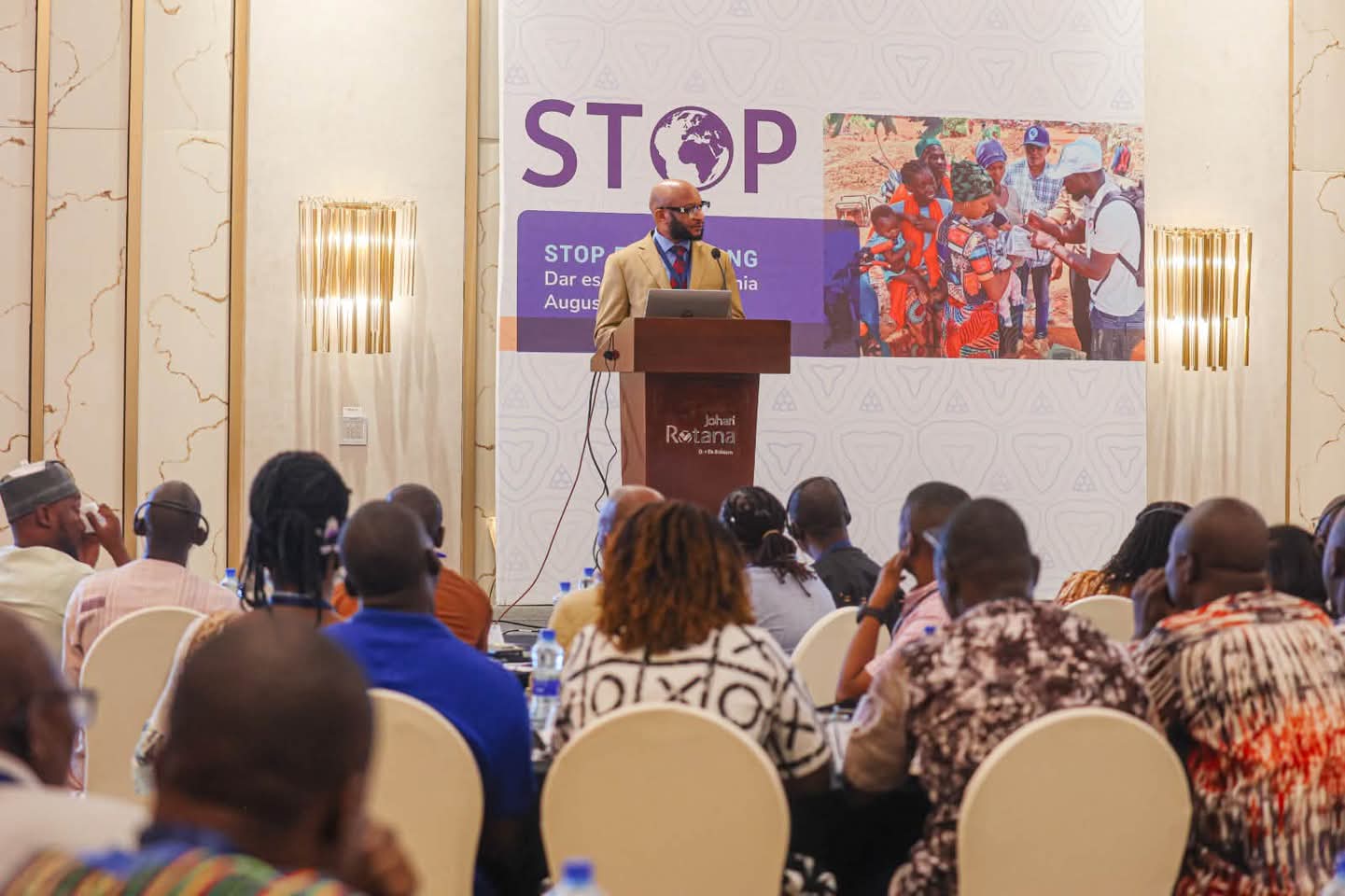
Eighty-two public health professionals from 22 countries have commenced the 56th round of the Stop Transmission of Polio (STOP) training in Tanzania, aimed at strengthening global efforts to eradicate polio and combat other vaccine-preventable diseases.
The participants comprise 45 field epidemiologists, 15 data managers and 22 social and behaviour change specialists.
Read also: From Apartheid-Era South Africa to Nobel Laureate: Navi Pillay’s Journey
Gombe, UNICEF Target 900,000 Children in 2026 Polio Campaign
The training is being coordinated by the African Field Epidemiology Network (AFENET), the U.S. Centers for Disease Control and Prevention (CDC) and UNICEF.
The programme prepares participants for deployment alongside Ministries of Health and Global Polio Eradication Initiative (GPEI) partners to strengthen immunisation, disease surveillance, data management, social and behaviour change, and outbreak response for polio and other vaccine-preventable diseases.

Speaking at the opening of the training, Dr. Samir Sodha of the U.S. CDC challenged participants to apply problem-solving skills at the local level by identifying challenges, developing practical solutions and making a measurable difference in their communities.
The STOP Team Lead, Lesley Chace, highlighted the programme’s 27-year contribution to polio eradication and measles elimination, urging participants to actively engage in the training and prepare adequately for their field assignments.
Read also: Fresh Wave of Anti-Migrant Violence Erupts in South Africa
Also speaking, Dr. Mahesh Swaminathan of the U.S. CDC Tanzania welcomed participants to the first STOP training hosted in Tanzania.
He reminded them that polio eradication is both possible and necessary, stressing that the participants are part of a global effort capable of “changing history and changing the world.”
For his part, Dr. Ditu Kazambu of AFENET emphasised the critical role of STOP participants in identifying immunisation gaps, understanding barriers to vaccination, strengthening disease surveillance and supporting locally driven solutions to protect communities from polio and other vaccine-preventable diseases.
He reaffirmed AFENET’s commitment to strengthening public health systems and building the capacity of the public health workforce across Africa.
UNICEF representative Jawahir Habib underscored the organisation’s contributions to social and behaviour change, vaccine supply and outbreak response, among other areas of polio eradication.
She said a polio-free world remains achievable through persistence, collaboration and sustained commitment.
Read also: Uganda Hosts Historic African Defence Conference
Massive Turnout as Kumbotso LGA Parents Present Children for November Polio Immunisation
The 82 trainees of Cohort 56 are expected to deploy their skills within communities and health systems where they are most needed, supporting countries to detect disease threats early, close immunisation gaps and strengthen systems for preventing and responding to polio, measles and other vaccine-preventable diseases.