


The Federal Government has announced plans to roll out 10,000 electric tricycles as part of a broader strategy to improve public transportation and strengthen Nigeria’s transport infrastructure.
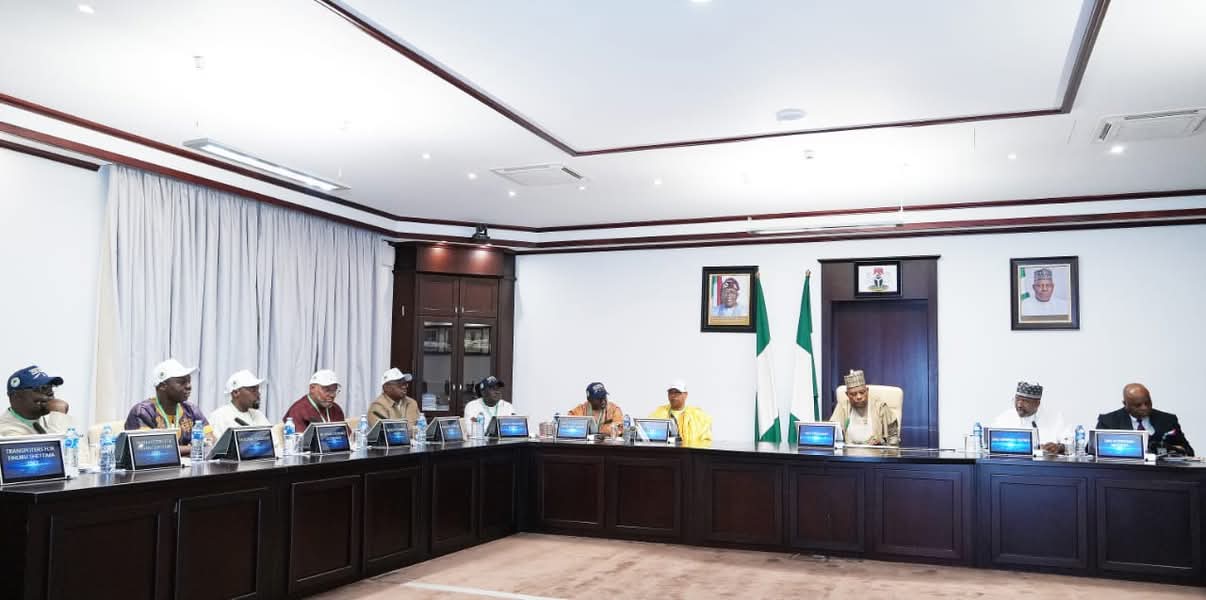
Vice President Senator Kashim Shettima disclosed this during a courtesy visit by the Transporters for Tinubu/Shettima 2027 group, revealing that the electric tricycles would be distributed by the North East Development Commission (NEDC) in August 2026 for use across the North-East and other parts of the country.
Read also: Kano Assembly Tackles Soaring House, Shop Rents
According to the Vice President, President Bola Ahmed Tinubu has approved the expansion of the initiative to other regions through the country’s various regional development commissions.
Shettima said the Tinubu administration is committed to transforming Nigeria’s transport sector from a fragmented system into an integrated logistics network that effectively connects ports, railways, roads, airports, inland waterways, and alternative energy-powered vehicles.
He explained that the government’s transport reform agenda is anchored on the nationwide rollout of Compressed Natural Gas (CNG), strategic port upgrades, and the development of a more efficient logistics chain aimed at supporting commerce, agriculture, industry, and national integration.

“The priority is to build an unbroken logistics chain where goods move seamlessly from ports to rail, road, and markets without unnecessary delays or policy bottlenecks,” he said.
The Vice President noted that the reforms are designed to reduce transportation costs, improve efficiency, strengthen national productivity, and create better working conditions for transport operators across the road, rail, maritime, aviation, and pipeline sectors.
Highlighting the impact of the Presidential Compressed Natural Gas Initiative, Shettima said the programme has demonstrated Nigeria’s capacity to leverage its abundant gas resources to reduce transportation costs, particularly for heavy-duty vehicles.
“We said CNG could cut fuel costs by over 60 per cent, and many called it fantasy. Today, heavy-duty trucks run on Nigerian gas, proving sceptics wrong and returning money to transport operators,” he stated.
Read also: FG Moves to Curb Antibiotic Misuse, Combat Drug Resistance
The Vice President also pointed to ongoing reforms in the maritime sector, including the operationalisation of the Lekki Deep Sea Port, the implementation of the National Single Window project, and renewed investment in inland waterways infrastructure.
According to him, these initiatives are aimed at enhancing port efficiency, reducing delays, boosting trade, and positioning Nigerian ports among the most competitive globally.
“Before this administration, clearing a container could become an encounter with frustration, corruption, and decay. Today, our ports are preparing to compete with the world’s best,” he added.
Shettima assured stakeholders in the transport sector of the Federal Government’s continued support through policies that encourage affordable fuel, insurable fleets, sustainable contracts, and improved welfare for transport workers.
“We shall continue to stand with the Nigerian transporter. We shall build roads that last, rails that connect the nation, ports that function efficiently, and airports that reflect our aspirations as a people,” he said.
Earlier, the Technical Adviser to the Vice President on Transportation, Logistics and Innovation, Prince Segun Obayendo, said transport unions across the aviation, maritime, rail, and road sectors had expressed support for the Tinubu administration, citing reforms and achievements recorded in various sectors of the economy.
He stated that members of the transport community were convinced that the administration’s policies had placed Nigeria on a path of sustainable growth and development.
Read also: Kano, NWDC to Harmonise Data for Rural Dev Projects
Also speaking, the Secretary-General of the Maritime Workers Union of Nigeria (MWUN), Comrade Oniha Erazua, commended the administration for its engagement with transport sector stakeholders and expressed confidence that ongoing reforms would yield greater benefits if sustained.
The announcement marks a significant step in the Federal Government’s efforts to modernise transportation, promote cleaner energy alternatives, and improve mobility across the country.