


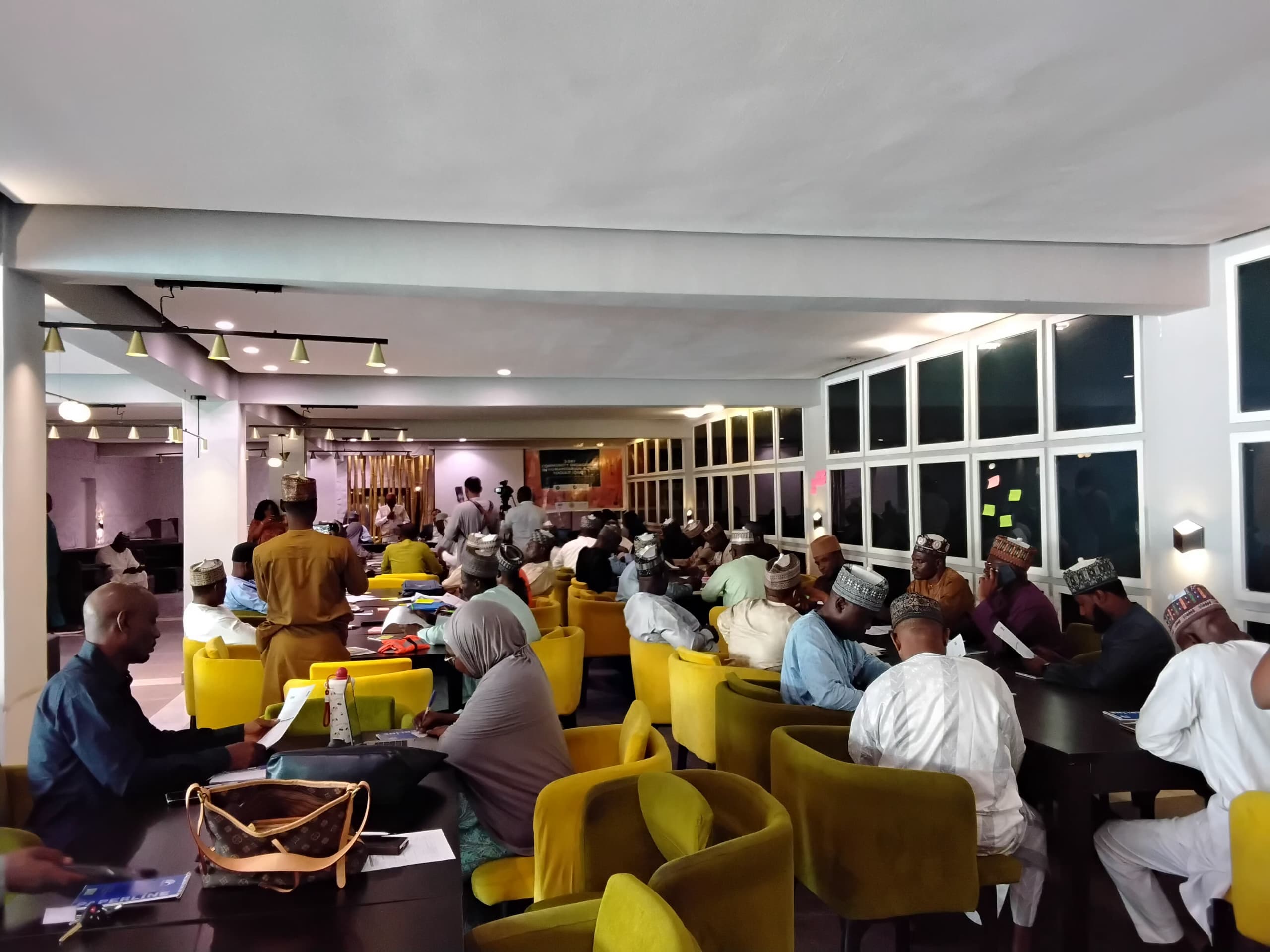
Emergency management stakeholders from six North-West states have converged in Kano for a three-day capacity-building workshop on Community Engagement in Humanitarian Action Toolkit (CHAT), aimed at strengthening infodemic management, trust-building, and community participation during emergencies in Nigeria.
The training, organized by the United Nations Children’s Fund (UNICEF) in collaboration with the National Emergency Management Agency (NEMA), brought together participants from Kaduna, Kano, Katsina, Jigawa, Sokoto, Zamfara, and Kebbi states.
Read also: Kaoje Attacks: Kebbi Gov Approves N200m Support
Red Cross Reinforces Ethical Humanitarian Service in Borno
The workshop seeks to equip emergency actors with practical knowledge on applying the Community Engagement in Humanitarian Action Toolkit (CHAT), integrating its operational framework into the humanitarian programme cycle, public health coordination systems, and emergency response mechanisms in Nigeria’s North-West region.
Speaking at the opening ceremony, the Chief of UNICEF Field Office, Kano, Mr. Shafeeq Ur-Rehman, said Nigeria continues to face diverse humanitarian and public health emergencies, including floods, disease outbreaks, population displacement, insecurity, and other sudden-onset crises.
He stressed that effective emergency preparedness and response depend not only on technical expertise but also on the trust, participation, and resilience of affected communities.
According to him, experience has shown that emergency interventions are more successful when communities are adequately informed, actively engaged, listened to, and involved in decisions affecting their lives.
Read also: Kebbi Gov Set for Turbaning as Garkuwan Katsina Babba
Mr. Ur-Rehman noted that the North-West states represented at the training play a vital role in strengthening preparedness, early warning systems, and coordinated emergency response, adding that investing in the capacity of state institutions today would ensure faster, more coordinated, and more effective responses to future emergencies.
The UNICEF field office chief reaffirmed the organisation’s commitment to supporting government efforts to strengthen emergency preparedness and response systems that safeguard the lives and well-being of children, women, and vulnerable populations before, during, and after emergencies.
In his opening remarks, the Director of Planning, Research and Forecasting at NEMA Headquarters, Dr. Godwin Tepikor, represented by the Head of Operations, NEMA Kano Office, Dr. Nurudeen Abdullahi, described community engagement as a critical component of effective emergency management.
He said timely information dissemination through Social and Behaviour Change (SBC) approaches would empower communities to take life-saving actions, improve early warning systems, address emerging threats, and build resilience.
Earlier, the Executive Secretary of the Kano State Emergency Management Agency (SEMA), Isyaku Abdullahi Kubarachi, described the workshop as timely, particularly as communities across the region continue to experience flooding and other environmental hazards.
He noted that effective community engagement is essential for building public trust, promoting early warning systems, and improving the quality and timeliness of emergency response.
Read also: Kano Govt Pledges Support for NIPR, WPRF 2026
WHD: AMG Foundation Commits ₦25M to Kano Humanitarian Trust Fund
The Executive Secretary reaffirmed the Kano State Government’s commitment to strengthening disaster preparedness and response through collaboration with development partners and sustained investment in community resilience.