


The fight against postpartum haemorrhage (PPH), one of the leading causes of maternal death globally, is receiving further attention through innovations aimed at helping healthcare workers detect excessive blood loss earlier and respond more quickly.
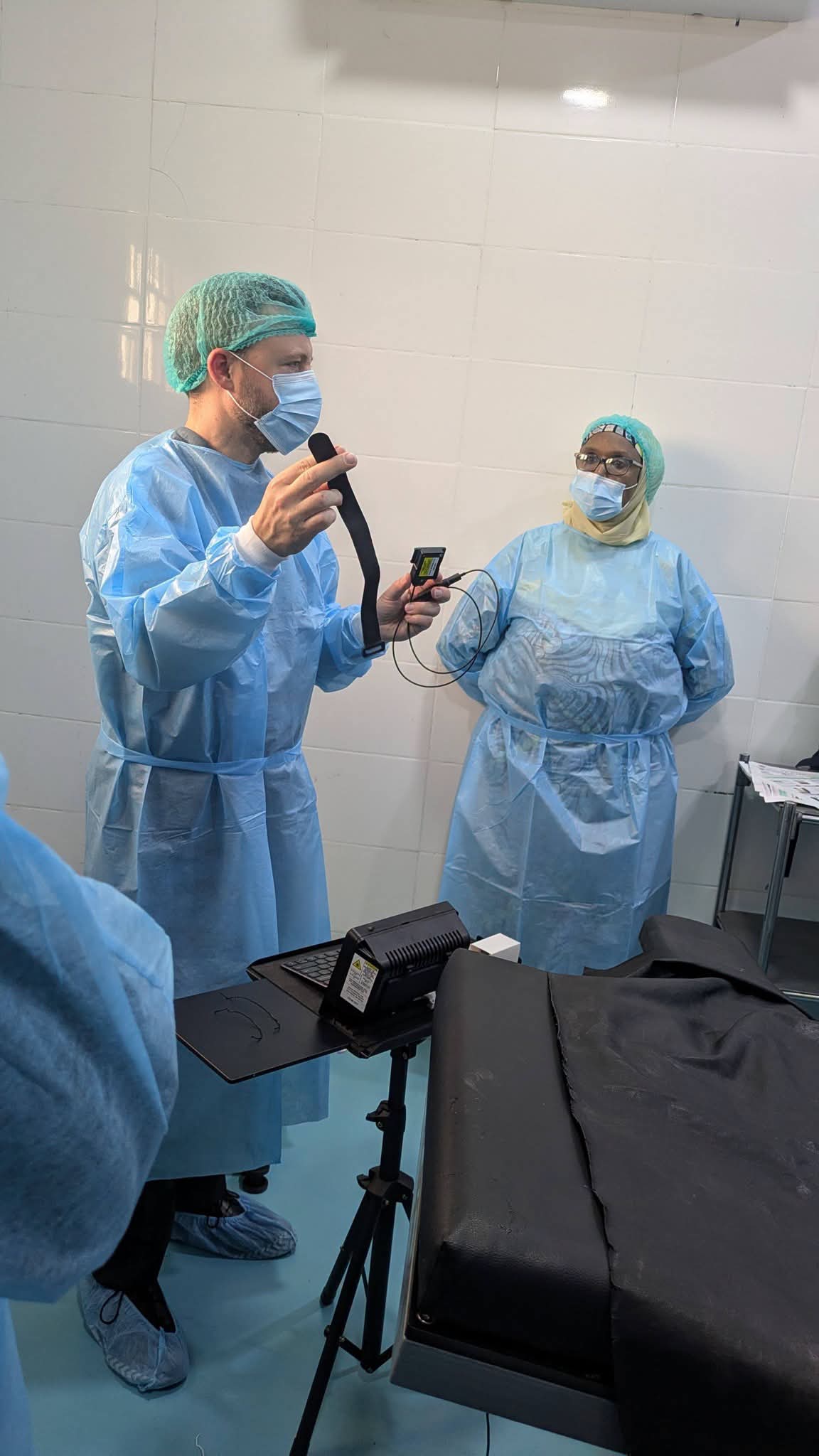
As part of efforts to explore such innovations, Professor Hadiza Shehu Galadanci, Director of the Africa Centre of Excellence for Population Health and Policy (ACEPHAP), Bayero University Kano, has led a two-day hands-on training on the Armor Optical Sensor, an emerging wearable technology being explored for monitoring women undergoing Caesarean section.
Read also: Rabies Scare Grips Kano as Dog Bites 18 Residents
The training, held at the University of Abuja Teaching Hospital, brought together researchers and healthcare professionals from Nigeria and international partners from the United States, United Kingdom and Pakistan.
Professor Galadanci, who is the Principal Investigator of Nigeria’s E-MASTER Trial on PPH at Caesarean Delivery, led members of the research team, including Dr Saeed Suleiman, Dr Ibrahim Muhammad Danladi, Dr Maryam Lawal Wada, RN Faiza Ibrahim Muhammad and RN Hajara Mahmoud Sani.
The training focused on providing participants with practical exposure to the technology while creating an opportunity for researchers and clinicians from different countries to exchange knowledge and experiences on maternal health innovation.

Professor Galadanci has previously highlighted the importance of objective measurement of blood loss in improving the early recognition of PPH. Her work on the E-MOTIVE intervention for PPH at vaginal delivery examined approaches that use calibrated blood-collection drapes to provide more objective estimates of blood loss.
Read also: Nigeria Records Over 100 Rabies Cases in 2026-Official
The E-MOTIVE trial, in which Professor Galadanci was a co-author, involved more than 210,000 women across Kenya, Nigeria, South Africa and Tanzania and provided evidence on the importance of early detection and prompt treatment of postpartum haemorrhage.
The Armor Optical Sensor is a wearable wrist device being investigated for its potential to continuously monitor physiological parameters during Caesarean delivery. The information generated could provide healthcare teams with additional data to support assessment of a patient’s haemodynamic status during surgery.
PPH can become life-threatening when significant bleeding is not recognised and treated promptly. This has increased interest in approaches that could provide healthcare workers with timely and objective information during childbirth.
The exploration of wearable technologies such as the Armor Optical Sensor represents another area of research into how technology could complement existing clinical monitoring during Caesarean sections.
For the ACEPHAP team and its research partners, the training forms part of broader efforts to explore innovative approaches to maternal healthcare, strengthen clinical decision-making and improve outcomes for women and newborns.
Read also: Nigeria Takes Major Step Toward Local Health Manufacturing
Professor Galadanci said the motivation behind the work was the need to prevent avoidable maternal deaths associated with excessive bleeding after childbirth.
“One of the most dangerous experiences for a woman after delivery is to bleed excessively. What drives us is the knowledge that many maternal deaths are preventable, and that smart interventions and dedicated healthcare workers can make a difference.”