


FARIDA UMAR ABDU
There are places you visit simply because they are beautiful, and there are places that leave you thinking about what nature has given us—and the responsibility that comes with preserving it.
Read also: Chinese, Nigerian Workers Celebrate Mid-Autumn Festival
Yankari Game Reserve in Bauchi State is one of such places.
Spread across a vast savannah landscape in Alkaleri Local Government Area, about 115 kilometres from Bauchi town, Yankari remains one of Nigeria’s most recognised wildlife and tourism destinations. Its expansive landscape is home to diverse wildlife, vegetation, natural attractions and historical sites that continue to draw visitors from across Nigeria and beyond.
The reserve is perhaps best known for its elephants. Visitors may also encounter buffaloes, hippopotamuses, baboons, patas monkeys, lions and different species of antelopes, among other wildlife.

Seeing these animals moving freely through their natural environment gives Yankari an experience that is difficult to reproduce elsewhere.
But Yankari is much more than wildlife.
The warmth of Wikki
At the heart of the reserve is the famous Wikki Warm Spring, one of Yankari’s most popular attractions.
Its clear, naturally warm water provides a striking contrast to the surrounding savannah and vegetation. For many visitors, a trip to Yankari is incomplete without spending time at Wikki.
The reserve also offers attractions such as the Marshall Caves, fish ponds and other sites that reflect the area’s natural and historical heritage.
Together, these attractions give Yankari a character that goes beyond the conventional idea of a game reserve. It is at once a wildlife sanctuary, a tourism destination and a place where nature and history converge.
From conservation to tourism
Yankari was established as a game reserve in 1956 and opened to the public in 1962. Over the decades, it has remained an important part of Nigeria’s conservation and tourism story.
But managing a vast reserve comes with enormous responsibilities.
Wildlife requires protection. Visitors need safe and functional facilities. Rangers need adequate equipment, while surrounding communities need opportunities to benefit from the economic activities generated by the destination.
In recent years, several interventions have sought to address some of these challenges.
Through the ACReSAL project, new game-viewing trucks were provided, facilities around Wikki Warm Spring were rehabilitated, while rangers received uniforms, communication equipment and other operational tools.
The intervention was followed by a reported increase in visitors and economic activity around the reserve.
The Bauchi State Government has also embarked on a major investment programme aimed at rehabilitating and modernising Yankari.
Powering a new Yankari
One of the most significant recent developments is the introduction of solar electricity at the reserve.
In August 2026, the Bauchi State Government commissioned a 500KVA solar power plant as part of its wider rehabilitation and modernisation programme at Yankari.
The project is designed to provide more reliable and sustainable electricity to facilities within the reserve. It was reported to have cost about ₦2.69 billion, while other components of the intervention—including renovation of chalets and executive suites and improvements to water supply and reticulation—brought the reported total investment to about ₦3.43 billion.
For a tourism destination surrounded by nature, reliable electricity goes beyond convenience.
Power supports accommodation, administrative operations, water systems, lighting and other essential services. A dependable solar system can also reduce reliance on conventional generators, potentially lowering operational costs and the environmental burden associated with diesel-powered electricity.
The shift towards solar therefore presents an opportunity to align tourism development with environmental sustainability.
Read also: No Going Back on Fuel Subsidy, Tinubu Declares
Creating a better visitor experience
The recent improvements at Yankari are not limited to electricity.
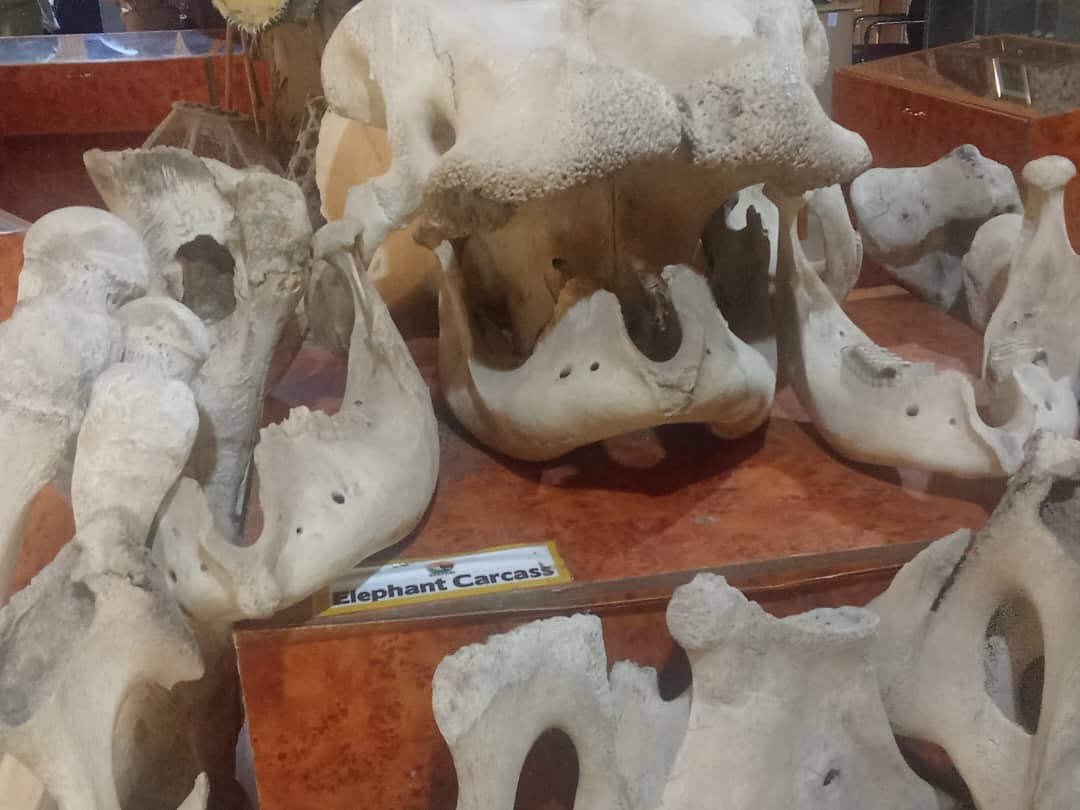
The rehabilitation programme has included renovated accommodation facilities, improved water infrastructure and upgrades around some of the reserve’s attractions. The Yankari Museum has also been renovated, while facilities around Wikki Warm Spring have received attention.
These improvements matter because tourism is not only about what visitors see. It is also about how they experience a destination.
A visitor may come to see an elephant, swim at Wikki, explore the landscape or learn about the history of the reserve. But accommodation, electricity, water, transportation, security and other basic services all contribute to whether that experience becomes memorable.
For Yankari, improving these services could make the reserve more attractive to domestic and international tourists while supporting longer stays and greater economic activity.
Beyond tourism
The economic importance of Yankari extends beyond the boundaries of the reserve.
When tourists visit, they spend money on accommodation, transportation, food, souvenirs, guiding services and other activities. These activities create opportunities for people living in communities around the reserve.
The Bauchi State Government has said its investment in Yankari is expected to stimulate economic activity and create employment opportunities for young people and surrounding communities.
This is an important dimension of the tourism story.
A successful tourist destination should not exist as an isolated attraction. Its benefits should reach surrounding communities through employment, local businesses, skills development and other economic opportunities.
Community participation can also strengthen conservation by giving residents a greater stake in protecting the natural resources that attract visitors in the first place.
Protecting what cannot be replaced
Yet, as Yankari receives renewed attention and investment, conservation must remain at the centre of its development.
Tourism can generate revenue and employment, but the wildlife and natural environment are the very reasons visitors come to Yankari. Protecting them is therefore not separate from tourism development—it is essential to it.
The reserve’s elephants, other wildlife, vegetation, springs and historical sites cannot simply be replaced if they are lost.
That makes continued investment in rangers, conservation, community engagement, infrastructure and responsible tourism critical to Yankari’s future.
Development within a protected environment must strike a careful balance: improving facilities without compromising the natural assets that make the destination unique.
A treasure worth preserving
Standing within the vast landscape of Yankari, it is easy to understand why the reserve has remained one of Nigeria’s most important tourism destinations.
Its appeal lies in the combination of things: wildlife roaming through the savannah, the warmth of Wikki Spring, ancient caves, quiet natural surroundings and the growing effort to modernise the facilities that support visitors.
The new solar power plant and other recent interventions represent another chapter in Yankari’s long history.
But the real measure of these investments will be their sustainability and their ability to translate into a better visitor experience, stronger conservation and meaningful benefits for communities around the reserve.
Yankari has the natural resources to attract visitors from across Nigeria and beyond.
What it needs is continued care, responsible management and investment that respects the environment that makes it special.
Read also: NDPC Champions Innovation at ITW Africa 2026
For Bauchi State and Nigeria, Yankari is more than a tourist attraction.
It is a natural heritage—and a reminder that what nature has preserved for generations must be protected for generations yet to come.