

Nigeria has commenced the second phase of its nationwide vaccination campaign to immunise 43 million children aged 9 months to 15 years against measles and rubella, beginning with eight southern states: Lagos, Ogun, Ondo, Ekiti, Osun, Edo, Delta, and Bayelsa.
The rollout, referred to as “stream one,” follows the initial phase conducted in October 2025 across 19 northern states and Oyo State, which reached over 59 million children.
Read also: Affordable Housing: FG Advances 10,000 Units Across Nigeria
Lessons learned from the northern campaign are now being applied to enhance the efficiency and reach of the southern phase.
In Ondo State, the campaign also includes the introduction of the malaria vaccine, reflecting efforts to integrate multiple immunisation initiatives.
Flag-off ceremonies across the eight states, led by governors, first ladies, and senior officials, highlighted the political commitment underpinning the campaign.
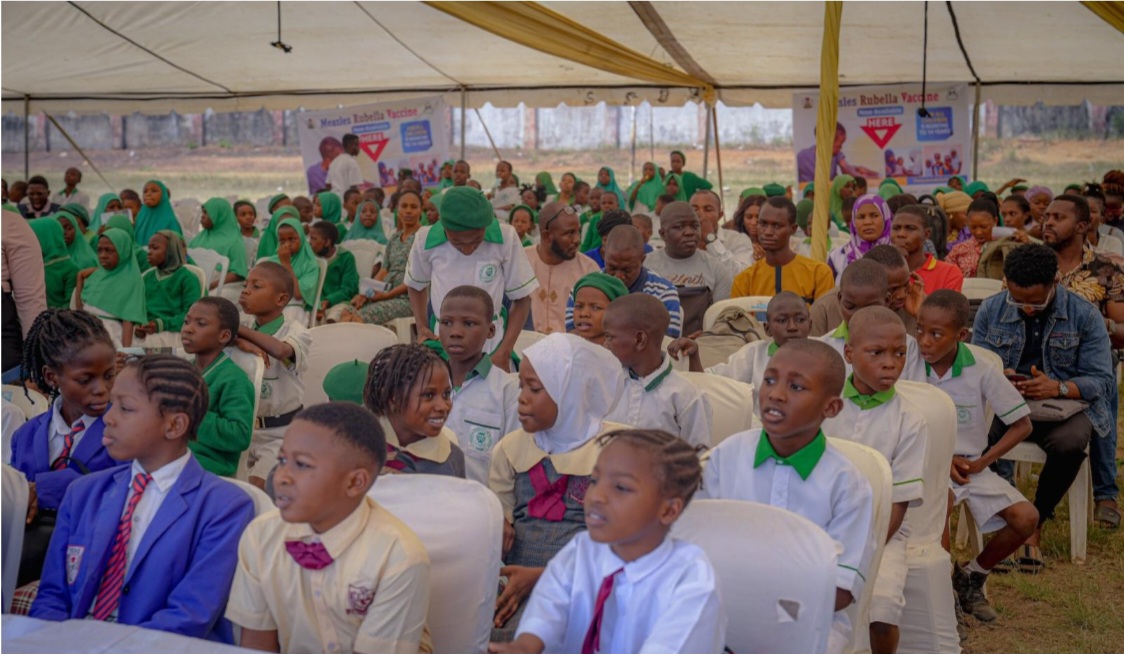
Vaccination teams aim to reach more than 22 million eligible children, including those in riverine, peri-urban, and hard-to-reach areas.
At the Osun State ceremony, Governor Ademola Adeleke, represented by Deputy Governor Prince Kolawole Adewusi, stressed that measles and rubella remain preventable causes of illness and death.
Similar events in Edo, Bayelsa, Lagos, Ekiti, and Ogun mobilised traditional rulers, faith leaders, and community organisations to ensure that no child is missed.
The campaign is led by the Federal Ministry of Health and Social Welfare and implemented through the National Primary Health Care Development Agency and State Ministries of Health.
Read also: Federal Universities Get Green Light to Recruit Staff
Support from international partners—including the World Health Organization (WHO), Gavi, the Vaccine Alliance, the Gates Foundation, and UNICEF—has strengthened routine immunisation, closed immunity gaps, and advanced Nigeria’s contribution to Africa’s and the global measles–rubella elimination goals.
In Bayelsa State, Commissioner for Health Professor Seiyefa F. Brisibe emphasised the importance of state and local government funding as evidence of ownership and sustainability.
Community mobilisation is central to the campaign’s success, with traditional institutions, women’s groups, youth associations, civil society, and faith leaders actively encouraging caregivers to vaccinate children.
Mrs Yemisi Amogbon, a 60-year-old grandmother in Surulere Safejo Community, Ekiti State, praised the campaign: “My neighbour lost a child to measles years ago, which was painful. When I heard the vaccines were coming to our community, I brought my grandchildren to be vaccinated, and I am happy I did.”
WHO is supporting Nigeria’s vaccination drive through risk-based microplanning, training 5,000 health workers and mobilisers, deploying over 40 technical staff for supervision and real-time monitoring, strengthening data use for improved coverage, and enhancing vaccine safety monitoring and community engagement.
Vaccination strategies combine fixed and mobile posts with school-based sessions to reach children wherever they live, learn, or play.
As Phase 2 continues, the focus remains on reaching every eligible child, sustaining political and community commitment, and accelerating measles–rubella elimination.
Read also: Say No to Vote Buying, Violence, Minister Urges Nigerians
Given Nigeria’s large child population, progress in the country has significant implications for regional and global public health.
With continued financing, diligent supervision, data-driven planning, and trust-based community engagement, Nigeria is well-positioned to protect millions more children and move decisively toward the elimination of measles and rubella.