


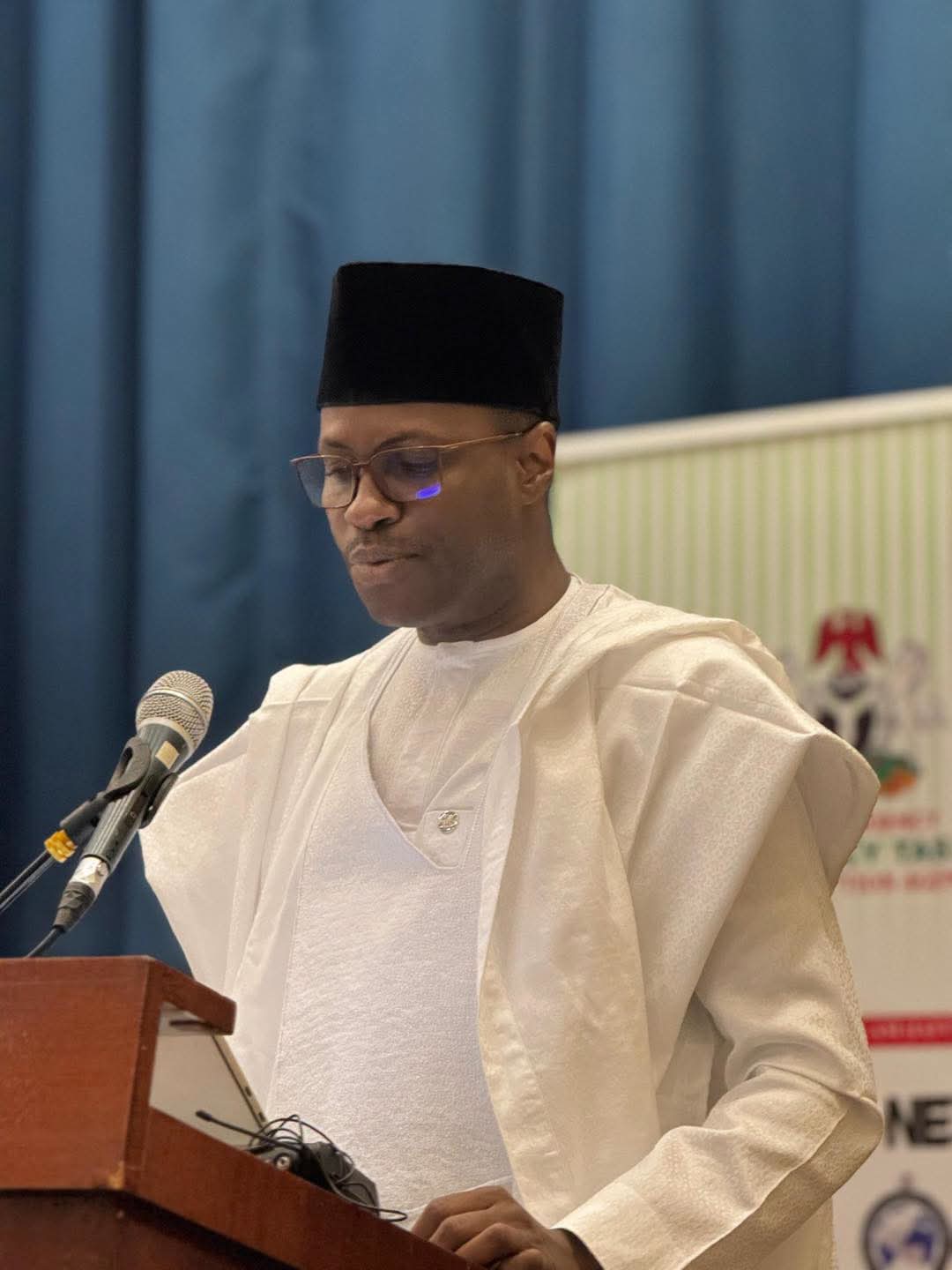
The Chairman of the Independent Corrupt Practices and Other Related Offences Commission (ICPC), Dr. Musa Adamu Aliyu, SAN, has called for stronger collaboration among governments, anti-corruption agencies, civil society organisations, the private sector, the media and citizens to promote integrity and strengthen anti-corruption efforts across Africa.
Dr. Aliyu made the call during the commemoration of the African Union Anti-Corruption Day held at the Shehu Musa Yar’Adua Centre in Abuja. The event was themed, “Scaling Up the Promotion of Integrity and Anti-Corruption Actions Across Africa.”
Whistleblowing Key to Fighting Corruption, ICPC Tells Medical Staff
In his goodwill message, the ICPC Chairman said the theme reflects Africa’s collective commitment to making integrity, transparency, accountability and the rule of law the foundation for sustainable development, democratic governance and economic prosperity.
He cited findings from the 2025 Commonwealth Africa Anti-Corruption Centre (CAACC) study, which showed that 80 per cent of respondents across 14 African countries believe corruption occurs frequently, while lack of integrity remains one of the major drivers of the problem.
“These findings remind us that promoting integrity is not merely aspirational; it is an evidence-based imperative,” he said.

Dr. Aliyu noted that the ICPC continues to implement its mandate through prevention, enforcement and public education while partnering with Ministries, Departments and Agencies (MDAs) and other stakeholders to strengthen institutional integrity and reduce opportunities for corruption.
He also highlighted the Commission’s efforts to instill integrity among young Nigerians through initiatives such as the National Youth Service Corps (NYSC) Anti-Corruption Lectures, Integrity Clubs in secondary schools, and collaborations with the Nigerian Law School and universities to integrate anti-corruption education into legal training.
According to him, these programmes align with the CAACC study, which identified public awareness campaigns and school-based anti-corruption clubs as some of the most effective preventive measures against corruption.
Delivering the keynote address, the Attorney-General of the Federation and Minister of Justice, Prince Lateef Fagbemi, SAN, represented by the Director of the Solicitors Department in the Federal Ministry of Justice, Mrs. Gladys Odegbaro, described corruption as a major obstacle to national development.
He said corruption deprives governments of resources needed for infrastructure, healthcare, education, food security and social protection while weakening democratic institutions, fuelling insecurity and eroding public trust.
“The antidote to corruption is integrity. Integrity is the foundation of good governance and the cornerstone of public confidence in governance,” he said.
The Attorney-General reaffirmed the Federal Government’s commitment to strengthening public institutions, enhancing transparency and accountability, improving inter-agency collaboration, modernising the criminal justice system and deploying technology to reduce opportunities for corruption in public service delivery.
Earlier, the Head of the Technical Unit on Governance and Anti-Corruption Reforms (TUGAR), Mrs. Jane Onwumere, said the annual commemoration marks the adoption of the African Union Convention on Preventing and Combating Corruption and provides an opportunity for stakeholders to renew their commitment to promoting integrity across the continent.
She stressed that the responsibility for fighting corruption extends beyond governments and anti-corruption agencies to every sector of society through strong institutions and effective accountability mechanisms.
The event featured goodwill messages from representatives of the Code of Conduct Bureau (CCB), Public Complaints Commission (PCC), Rule of Law and Anti-Corruption (RoLAC) Programme and the Centre for Democracy and Development (CDD), among other stakeholders.
Anti-Corruption Fight Begins Within Institutions-ICPC
Highlights of the programme included a panel discussion on strengthening integrity and anti-corruption efforts across Africa, as well as a presentation on the Whistleblower and Witness Protection Bill delivered by the Executive Director of the African Parliamentarians Against Corruption (APNAC), Mr. Ashley Emenike.