


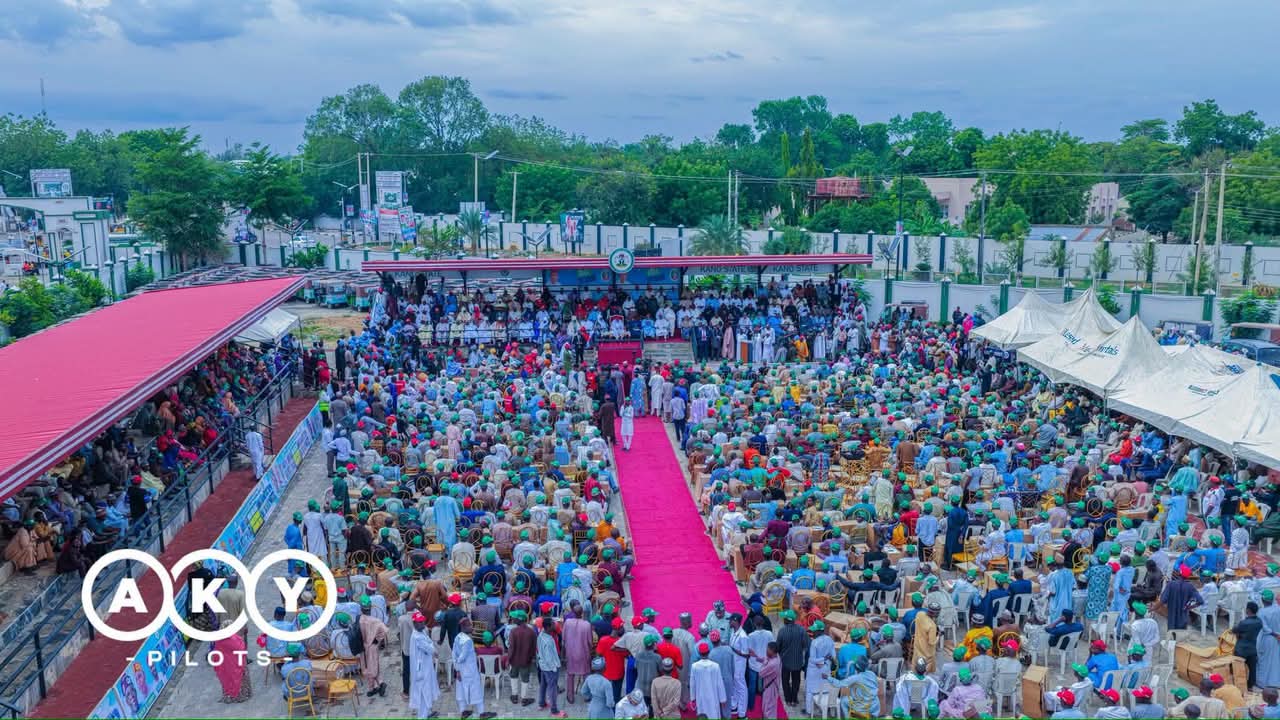
Governor Abba Kabir Yusuf of Kano State has distributed working tools to 1,900 butchers as part of efforts to strengthen the informal sector and improve the livelihoods of artisans across the state.
Speaking during the distribution ceremony in Kano, Governor Yusuf said his administration remained committed to implementing policies and programmes that directly impact the lives of ordinary citizens, stressing that the informal sector would no longer remain on the margins of government attention.
Read also: Kebbi Approves ₦650m for Procurement of 15MVA Transformer
Speaker Commissions Abattoir, Supports Butchers with Livestock
The governor described the butchery industry as a vital contributor to the state’s economy, noting that it supports thousands of households, enhances food security and supplies raw materials for the leather and tannery industries.
He said the empowerment programme forms part of broader initiatives aimed at strengthening small businesses and improving the welfare of operators in the informal sector.

Governor Yusuf disclosed that through the Kano State Cottage Industries and Agency for Skilled Trades, hundreds of thousands of traders, artisans and other informal sector operators have been registered and profiled to enable them benefit from government interventions.
He pointed out that the 2026 state budget provides for the establishment of Cottage Industry and Enterprise Hubs at strategic locations across Kano State, adding that preliminary work had been completed and implementation would commence soon.
Read also: Jigawa Police Warn Against Violence as CP Dahiru Meets Farmers, Herders
According to the governor, the hubs are designed to complement the Federal Government’s Renewed Hope Agenda by promoting Made-in-Nigeria products, supporting local production and encouraging entrepreneurship.
He explained that the facilities would provide modern workspaces, shared production equipment, reliable utilities, storage facilities, business support services, vocational training and organised marketing channels for artisans and small-scale enterprises.
Governor Yusuf said the enterprise hubs would include dedicated sections for butchers, meat processing, leather processing and tannery operations to ensure the efficient utilisation of livestock products and strengthen the state’s value chain.
He noted that the initiative would create thousands of employment opportunities for young people in meat processing, leather works, hides and skins processing, packaging, transportation and other related industries.
The governor assured residents that the empowerment programme for butchers was only the beginning, adding that similar interventions for other categories of artisans, traders and small-scale entrepreneurs were being finalised.
Read also: World Radio Day: MRA Urges Collaboration to End Climate Crisis
Butchers, Livestock Traders Mobilise Funds for Tinubu, Namadi’s Re-Election
He urged beneficiaries to make effective use of the tools provided, maintain high standards of hygiene and professionalism, and encourage unregistered colleagues to enrol so they could benefit from future government programmes.