


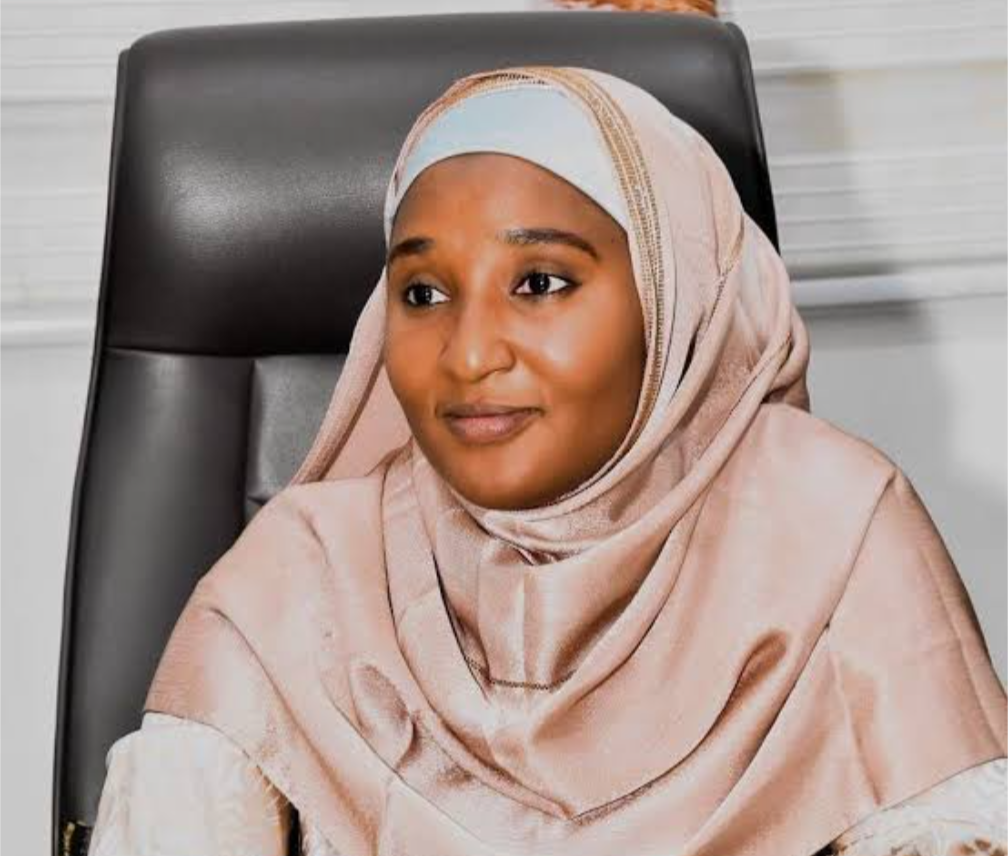
The Minister of State for Education, Prof. Suwaiba Said-Ahmed, has outlined wide-ranging reforms being implemented across Nigeria’s education sector under President Bola Ahmed Tinubu’s Renewed Hope Agenda.
The reforms cover curriculum renewal, teacher development, tertiary education, student financing, skills acquisition, innovation and interventions aimed at addressing the challenge of out-of-school children.
Read also: 25 Passengers, 7 Crew Members Aboard Crashed Military Plane — Keyamo
Said-Ahmed said the Federal Ministry of Education, under the leadership of the Minister of Education, Dr Tunji Alausa, was working to expand access, improve quality and strengthen human capital development across the education value chain.
At the basic education level, she said the Ministry was reviewing the national curriculum to reduce subject overload and shift learning away from excessive reliance on rote memorisation towards a competency-based approach.
According to her, the new approach would place greater emphasis on what learners understand, can apply and are able to demonstrate.
The Minister of State also disclosed that the curriculum for pre-service teachers was being reviewed to better equip teachers with the knowledge and skills required to meet the demands of the modern classroom.
She said although about N20 billion was provided to states for teacher training in 2025, available data indicated that only about 10 per cent of teachers benefited from the intervention.
Said-Ahmed added that a baseline assessment identified teachers who had spent between 25 and 30 years in service without participating in professional development programmes.
To address the gap, she said the Ministry had introduced a zero-rated digital teacher development platform accessible through Android devices to teachers in public and private schools across rural and urban communities.
Read also: Police Invite Kano Politician Over Alleged Firearm Display
She disclosed that more than 60,000 teachers had participated in the first phase of the programme.
The Minister said the Ministry was also working towards making continuous professional development more structured and eventually mandatory, supported by the Comprehensive Teacher Policy covering recruitment, training, welfare, deployment and career progression.
She explained that the policy was being developed in collaboration with the Teachers Registration Council of Nigeria and the Nigeria Union of Teachers.
Said-Ahmed further disclosed that the Universal Basic Education Commission had revised its disbursement guidelines and funding formula to make interventions more responsive to actual needs, with stronger links between performance and additional support.
She said procurement and value for money, particularly in school construction, were also receiving greater attention.
According to her, a new school grading framework would classify schools from A to D based on infrastructure, facilities, teacher qualifications and learner achievement, to guide targeted support and recognise sustained performance.
At the tertiary level, the Minister of State outlined measures aimed at expanding access to medicine, pharmacy, science and engineering programmes.
She disclosed that 10 medical institutions had been established or strengthened, while admission quotas in some institutions had been doubled or tripled to create additional capacity.
Read also: Kano SERVICOM, ROLAC II Strengthen Partnership on Good Governance
Said-Ahmed said more than N400 billion had been invested in expanding capacity in critical fields, alongside stronger accreditation and verification processes.
She stressed that tertiary institutions must maintain sustainable facilities, equipment and staffing beyond accreditation exercises to ensure that expanded capacity translates into quality education and improved outcomes.