


Journalists, researchers, filmmakers and development communication experts have called for a shift in development reporting across Africa, urging media practitioners and development actors to move beyond documenting project implementation to highlighting the measurable impact of interventions on people’s lives.
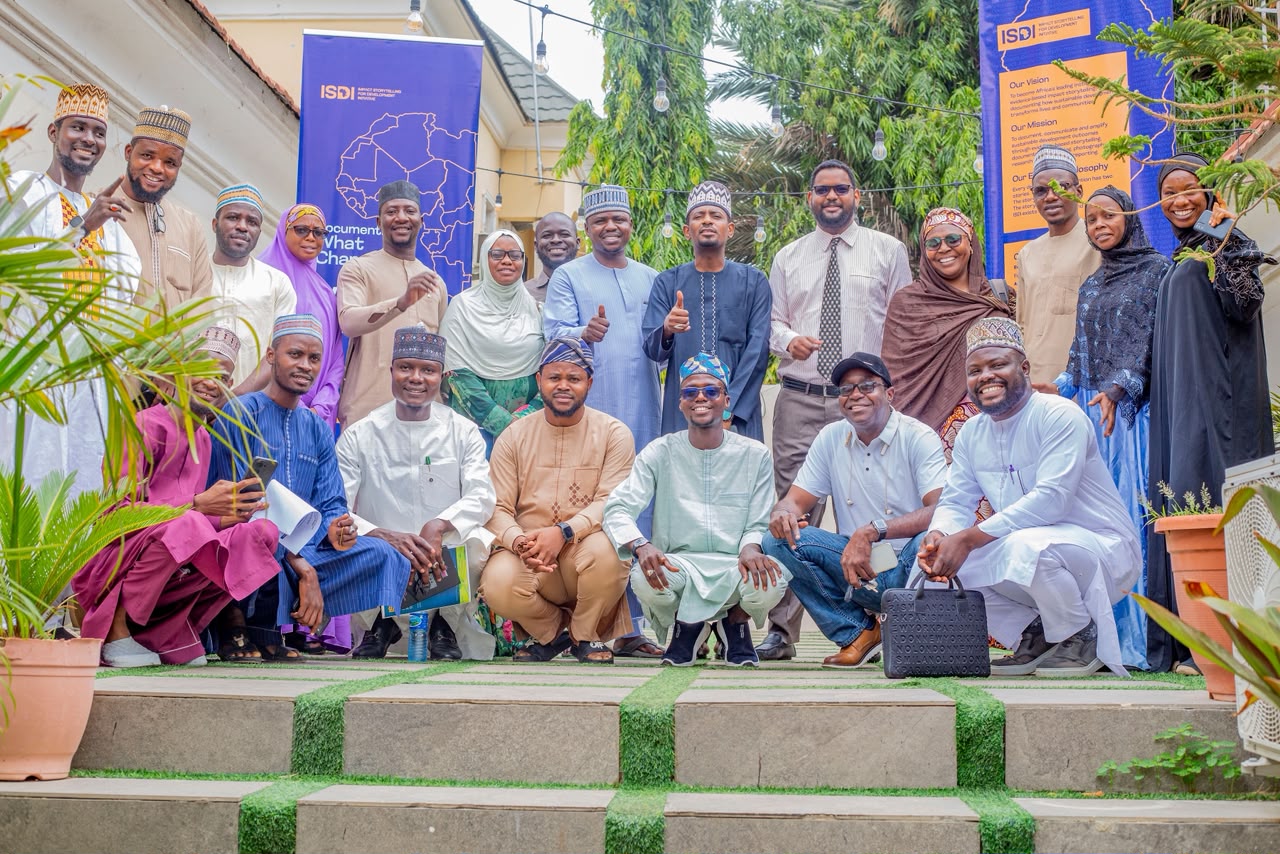
The call was made during the maiden ISDI Founding Conversation, organised by the Impact Storytelling for Development Initiative (ISDI) in Kano under the theme, “Documenting What Changed: The Future of Evidence-Based Impact Storytelling in Africa.”
Read also: RMAFC Chairman Demands Accountability, Discipline
The invitation-only event officially introduced ISDI, an independent development communication and impact storytelling organisation dedicated to documenting sustainable development through evidence-based journalism, documentary filmmaking, photography, research and strategic communication.
Speaking at the event, the Founder and Executive Director of ISDI, Ibrahim Ayyuba Isah, said the organisation was established to bridge the gap between development interventions and the human stories that demonstrate their real impact.
According to him, development interventions should not only be assessed by what was implemented but by the changes they bring to the lives of beneficiaries.

“Every development intervention has two stories. The first is the story of implementation, while the second is the story of impact. Implementation tells us what was done, but impact storytelling asks a more important question: What changed? ISDI exists to document that second story through evidence, community voices and ethical storytelling,” he said.
Participants observed that although governments, development agencies and civil society organisations invest substantial resources in development programmes, many stories reflecting the real transformation in communities remain untold.
The Chief Executive Officer of SIDES Media, Dr. Musa Sufi, described ISDI as a timely initiative that would broaden conversations around sustainable development and create opportunities for more stakeholders to contribute to meaningful change.
Also speaking, Solutions Journalist and Host of Fitila Podcast, Musbahu El-Hamza, said development communication should not only celebrate successful interventions but also examine projects that fail and the lessons they offer.
Read also: Girls’ Education: Kano SUBEB, AGILE Distribute 11 Laptops
He stressed that documenting both successes and challenges would promote learning, accountability and better development outcomes.
The Head of News at Cool FM, Wazobia FM and Arewa Radio, Abdurrahman Isah, urged journalists to move beyond urban centres in search of stories that truly reflect the realities of communities.
He noted that development should be measured by improvements in people’s quality of life rather than the mere construction of infrastructure, adding that sustained follow-up reporting is essential for driving meaningful change.
On her part, Development Journalist and Head of Programmes at Express Radio, Nafisa Murtala Ahmed, said effective development storytelling begins with communities telling their own stories.
She encouraged journalists to focus on stories that resonate with people’s lived experiences and celebrate community-driven development initiatives.
The Founder of KDC Foundation, Khalifa Dankadai, described impact storytelling as a critical tool for strengthening accountability and sustainability in development.
He explained that evidence-based storytelling helps stakeholders assess what has changed following an intervention while ensuring that donors, implementers and communities remain accountable for development outcomes.
Other participants, including Dr. Najib Usman, Hannatu Suleiman, Hauwa Mustapha, Hayatuddeen Muhammad, Furera Isiaka and Umar Gombe, highlighted the importance of community engagement, research, collaboration, inclusion and follow-up reporting in advancing sustainable development across Africa.
Read also: Kano Boosts Adolescent Healthcare with 743 Facilities
The event concluded with a commitment by participants to strengthen collaboration among journalists, researchers, filmmakers, development practitioners and communication professionals in documenting measurable development outcomes and amplifying community voices.
ISDI also unveiled plans to expand its activities through strategic partnerships, research, public dialogue and the establishment of the ISDI Academy, which will provide capacity-building opportunities for young people, women, journalists, content creators, photographers and filmmakers in evidence-based impact storytelling and documentary production.