


Ibrahim Sulaimam
The Hajiya Gambo Sawaba General Hospital Fistula Centre, Zaria, has successfully repaired more than 2,000 obstetric fistula cases since its establishment in 1999, according to the centre’s Chief Surgeon, Dr. Mohammed-Ado Zakari.
Read also: Gombe Trains 104 Health Workers to Reduce Newborn Deaths
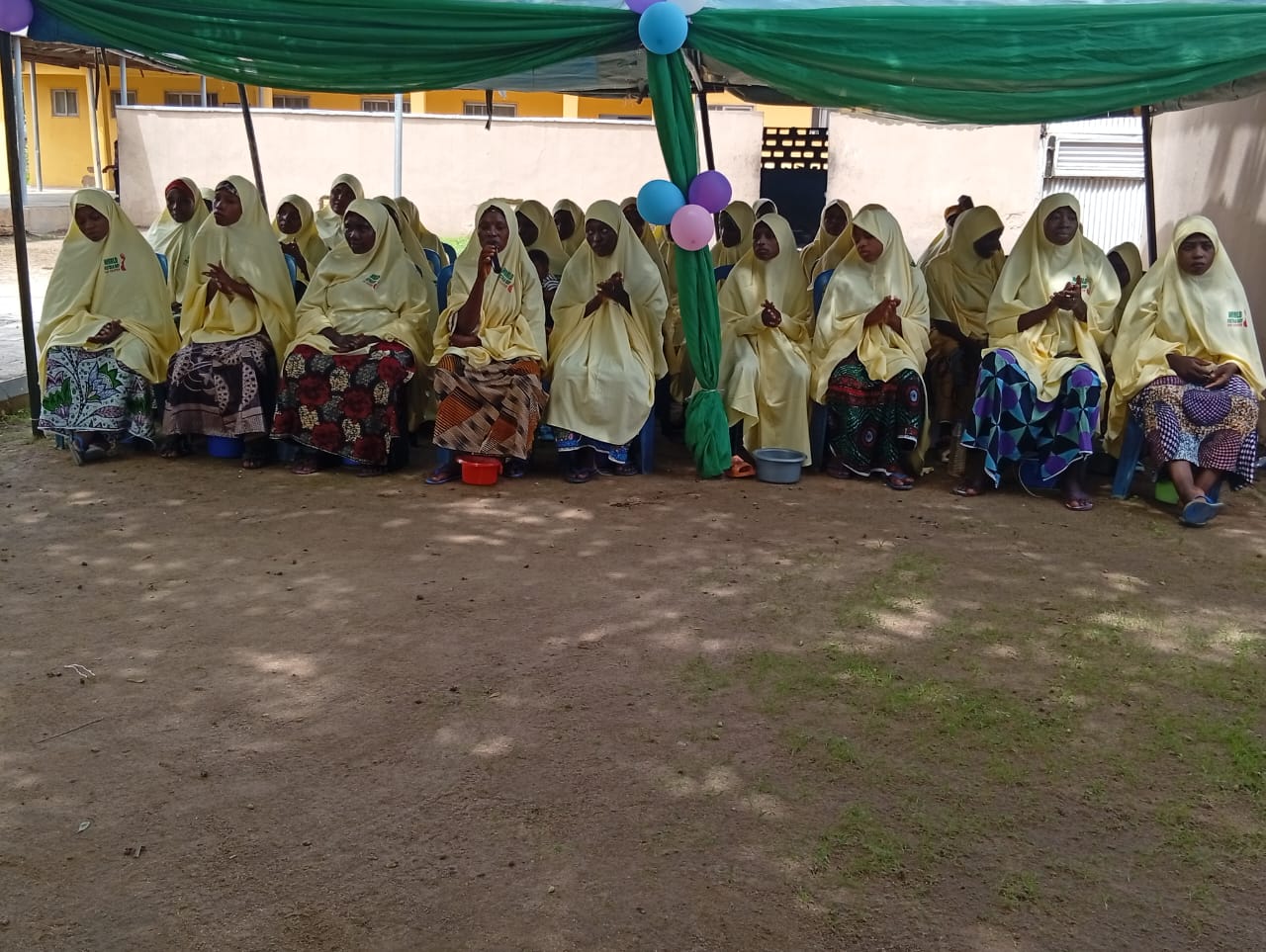
Zakari disclosed this on Saturday during the 2026 commemoration of the International Day to End Fistula held at the hospital in Zaria.
He said the centre currently performs repairs on an average of 150 patients annually with a success rate of over 70 per cent.
Timely Obstetric Care Key to Ending Fistula in Jigawa-Dr.Kanya

According to him, the centre has also trained five doctors and several nurses under the mentorship of renowned Dutch fistula surgeon, Dr. Kees Waldijk.
Zakari explained that the centre was established through a partnership involving the Kaduna State Government, Rotary International and Dr. Waldijk to address the growing burden of obstetric fistula in Northern Nigeria.
The 2026 theme for the International Day to End Fistula is, “Her Health is a Right: Invest in Ending Fistula and Childbirth Injury.”
CHR Marks 25th Anniversary with Outreach to VVF Centre, Kwalli
As part of activities marking the day, the centre organised a special engagement session for traditional and religious leaders to encourage greater advocacy and community awareness on maternal healthcare issues.
Participants were urged to leverage the Kaduna State health insurance scheme and other Federal Government interventions to improve access to affordable and quality healthcare services for women.
Zakari described obstetric fistula as an abnormal hole between the vagina and bladder or rectum caused mainly by prolonged obstructed labour, resulting in continuous leakage of urine or stool.
He said the condition remained a major public health and social challenge, especially among rural women with limited access to quality maternal healthcare.
Read also: Gombe Steps Up Efforts to Save Premature Babies
The surgeon revealed that over two million women globally are currently living with untreated obstetric fistula, while between 50,000 and 100,000 new cases are recorded annually.
He added that Nigeria alone may have between 100,000 and one million women living with untreated fistula.
Zakari identified early marriage, home delivery, poverty, prolonged obstructed labour and shortage of skilled birth attendants as major contributing factors to the condition.
He also expressed concern over the rising number of fistula cases linked to medical quackery and poor surgical practices.
According to him, more than 60 per cent of private clinics in Zaria lack qualified medical personnel to provide proper maternal healthcare services.
“We currently have patients who were victims of such medical services from quack medical personnel undergoing fistula repairs in the centre,” he said.
“I have retired and I have my private hospital, but I know that the priorities of some private clinics are money and not patient-centred services.”
Zakari, however, commended the Federal Government for interventions through the Basic Health Care Provision Fund and Comprehensive Emergency Obstetric and Newborn Care initiatives aimed at improving maternal healthcare delivery.
Earlier, the Medical Director of the hospital, Dr. Husaina Adamu, reaffirmed the hospital’s commitment to providing quality healthcare services to women living with vesicovaginal fistula.
She called for increased investment by governments, development partners and philanthropists to strengthen maternal healthcare systems and eliminate fistula and childbirth-related injuries.
Also speaking, the District Head of Zaria and Kewaye, Alhaji Sambo Shehu Idris, commended the hospital for organising the awareness programme.
Read also: UNICEF Seeks Increased Funding for Child Nutrition in Adamawa
Represented by the Ward Head of Madarkaci, Alhaji Ibrahim Sarki, the traditional ruler lamented the lack of action against illegal medical operators despite repeated reports by community leaders.
He noted that traditional leaders were often at the forefront of identifying quack medical centres operating within communities.