


Abdulmajid Habibu Isah
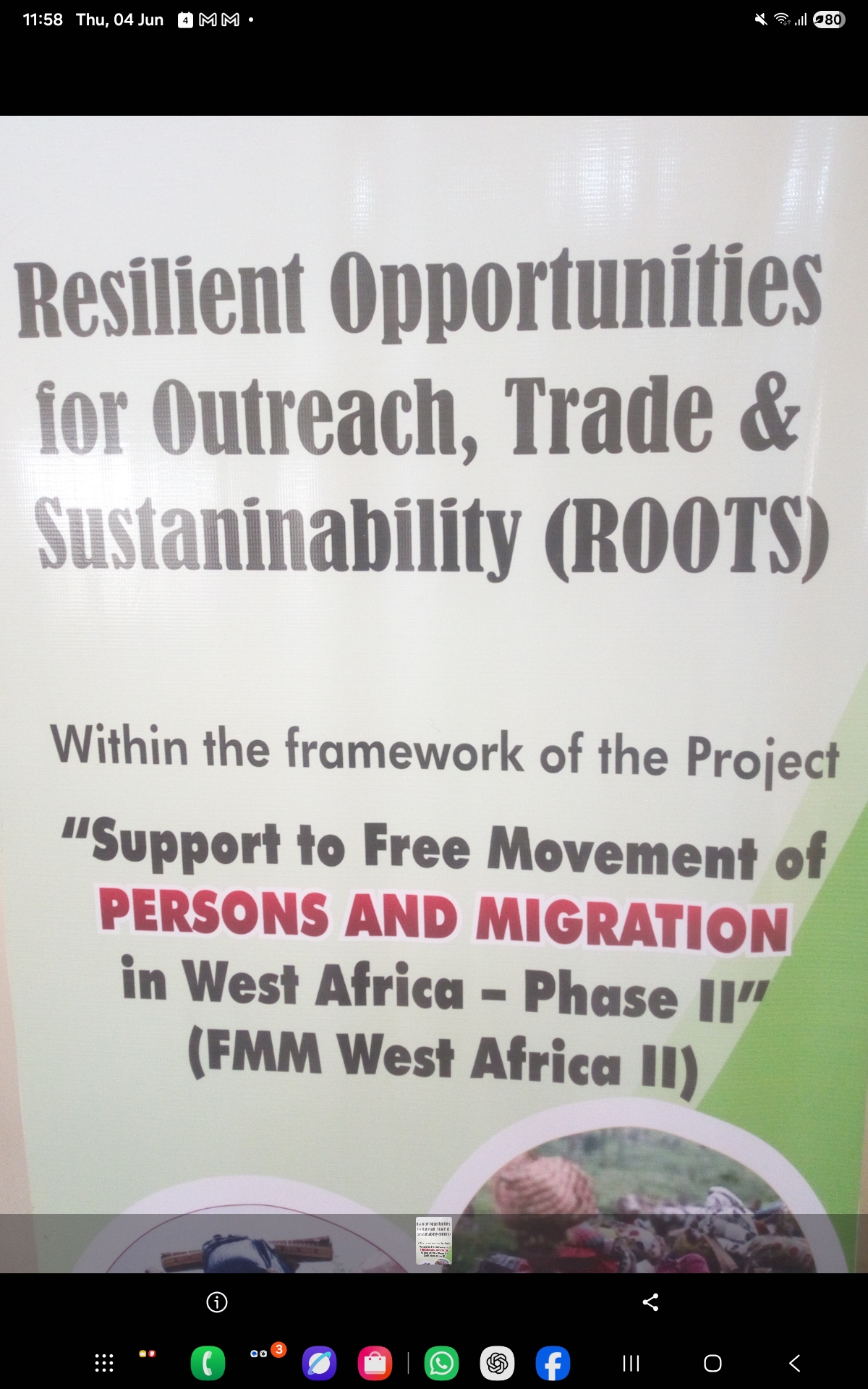
The Adolescent Health Information Project (AHIP), in collaboration with the International Organization for Migration through the Resilient Opportunities for Outreach, Trade, and Sustainability (ROOTS) Project, has organized a two-day policy forum aimed at strengthening collaboration with traditional and local government leaders to promote safe migration, reintegration, and community resilience in Kano State.
Read also: ACF Appoints Three-Member Interim Leadership in Kano
The forum brought together traditional rulers, religious leaders, and other stakeholders to discuss strategies for addressing the growing challenge of irregular migration, particularly among youths and women.
AHIP, IOM Train CSOs, Women Groups on ECOWAS Protocol,Migrants’ Rights
Speaking at the event, the Secretary to the District Head of Tarauni, Jamilu Wada, described the forum as timely, noting the increasing number of young people and women embarking on irregular migration journeys, many of whom end up as domestic workers or face other forms of exploitation abroad.

He attributed the rising trend of irregular migration to economic challenges, including the declining value of the naira, which he said often makes opportunities abroad appear more attractive. He also identified drug trafficking and substance abuse as contributing factors.
Wada called on government agencies and relevant stakeholders to intensify public sensitization campaigns on the dangers associated with irregular migration. He also urged authorities to ensure that employment opportunities and development initiatives are fairly allocated to host communities as provided by law.
“If you are educated and seek employment through legal means, there is no issue with that. However, endangering your life by leaving the country to work as a domestic helper without proper documentation often leads to serious problems,” he said.
Also speaking, the Chief Imam of Bunkure Central Mosque, Shuaibu Alhassan, described the current situation of irregular migration to foreign countries as alarming and called for collective efforts to address the menace.
Read also: Kano Assembly Confirms Six Commissioner Nominees
According to him, many migrants fall victim to exploitation, suffer health challenges, encounter legal difficulties in foreign countries, or lose their lives while attempting dangerous migration routes.
He pledged the support of religious leaders toward achieving the objectives of the initiative and emphasized the importance of community awareness.
Alhassan further urged philanthropists and development partners to support job creation and entrepreneurship programmes, stressing that increased access to economic opportunities would significantly reduce the motivation for irregular migration.
Similarly, the Chief Imam of Tudun Wada Juma’at Mosque in Nasarawa Local Government Area, Imam Nura Iman, said numerous cases have been recorded of men and women risking their lives through irregular migration.
He noted that while migration can contribute positively to development when undertaken legally, irregular migration often results in loss of lives, psychological trauma, and other social challenges.
Imam Nura expressed confidence that recommendations emerging from the forum, if properly implemented, would help reduce the incidence of irregular migration in communities across the state.
He commended AHIP and the ROOTS Project for their intervention and assured participants that religious leaders would continue to educate the public on the risks associated with unsafe migration.
Read also: Muslim-Muslim Ticket a Fraud to Deceive Voters, Says Bugaje
AHIP, CDA Strengthen Farmers’ Skills with Practical Field Trip
AHIP is implementing the ROOTS Project through the International Organization for Migration (IOM), with funding support from the European Union under the Support to Free Movement of Persons and Migration in West Africa – Phase II (FMM West Africa II) programme.