


The Katsina State Government has allocated N10 million to each of the 361 political wards in the state for community-driven development projects, bringing the total allocation to N3.61 billion.
The funds are being deployed under the state’s Community Development Programme CDP, designed to shift development planning and implementation from a largely top-down approach to a community-driven model.
Read also: FG Targets Rural, Underserved Youths With National Data Bank
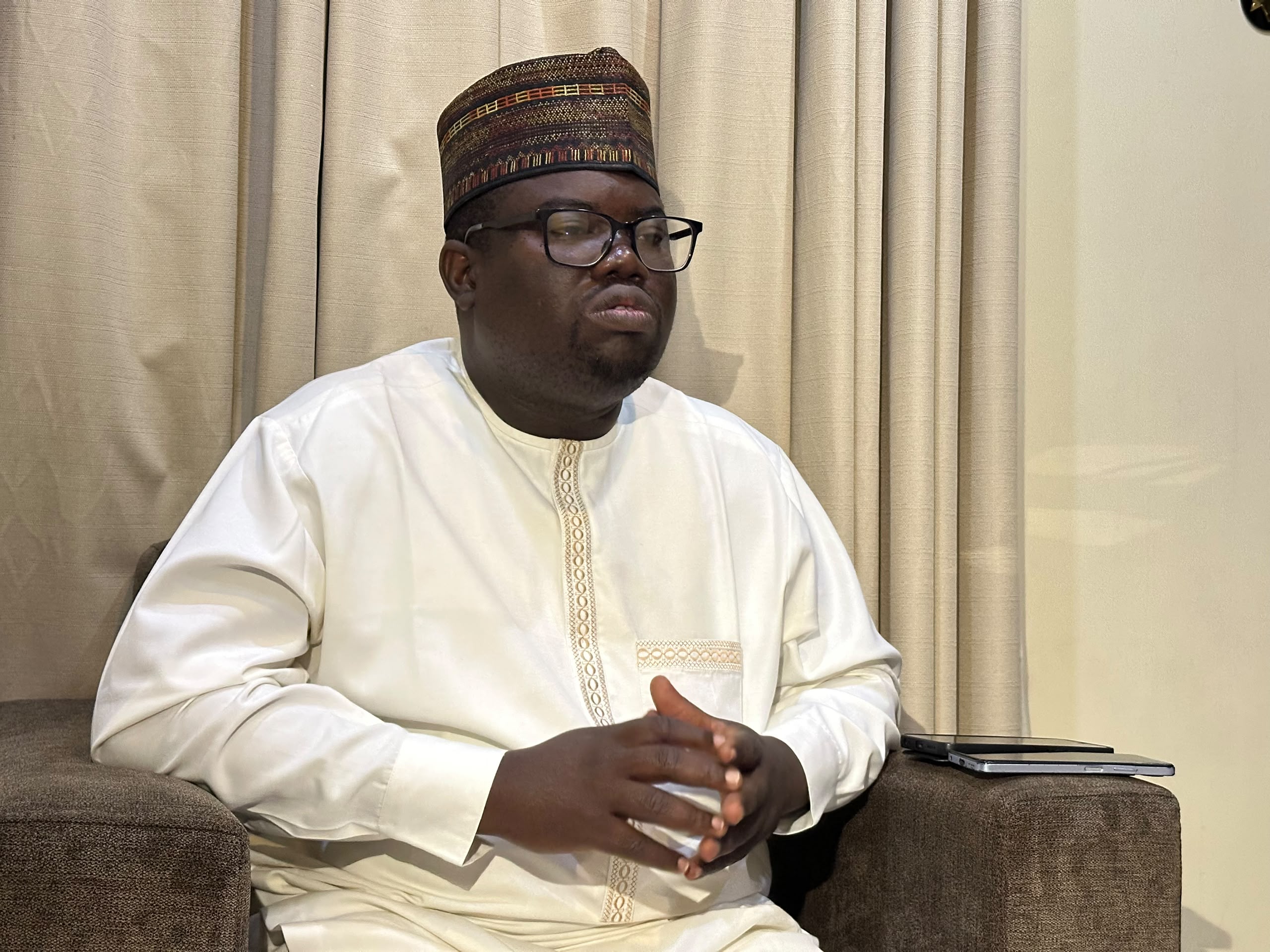
State Coordinator of the programme, Dr Kamaluddeen Kabir, disclosed this while explaining the implementation of the initiative, saying the programme is aimed at putting communities at the centre of identifying their development priorities and determining beneficiaries of selected government interventions.
The Community Development Programme was introduced by Governor Dikko Umar Radda on November 21, 2024, with the objective of making governance more responsive to the needs of residents at the grassroots.
Dr Kabir said the first phase of the N10 million allocation to each ward resulted in more than 3,900 micro-projects across the state, focusing mainly on the rehabilitation of basic community infrastructure.

He listed some of the projects as repairs to primary schools, restoration of non-functional boreholes, drainage channels, culverts and other public assets identified by residents as priorities.
The coordinator said a further N10 million has been approved for each ward for the current fiscal year, while priorities identified through the programme have also been incorporated into the state’s fiscal planning and contributed to the formulation of the 2026 budget and framework for the 2027 budget.
Dr Kabir explained that three officers have been deployed to each ward after training and assessment to support implementation.
They include Community Development Officers, Community Learning Officers and Community Support Officers, responsible respectively for development activities and government assets, education-related matters, and social welfare and community support.
He said the officers work with ward committees comprising elected councillors, traditional and religious leaders, community elders, representatives of schools, health and agriculture services, as well as youth, women, persons with special needs and traders.
According to him, the committees hold town-hall meetings where residents identify priority needs and participate in decisions on selected interventions.
Read also: Kano Gov Yusuf Submits N1.2tn 2026 Supplementary Budget
Beyond infrastructure, Dr Kabir said the programme has also facilitated agricultural and livelihood support, including the distribution of 4,000 hand-powered tillers, 4,000 solar-powered irrigation pumps and another 4,000 petrol-powered irrigation pumps to farmers.
He added that about 10,830 women, representing 30 beneficiaries from each ward, have been supported through micro and nano-business interventions, with beneficiaries engaged in activities such as tailoring, cap making, food vending and cold-drink businesses.
The coordinator said the programme is also being used to distribute food relief, with more than 90,000 bags of grains, including maize, millet, sorghum and rice, being distributed to vulnerable households through ward committees.
He explained that the ward committees determine how supplies are distributed among communities and identify vulnerable beneficiaries, with verification mechanisms introduced to promote transparency.
Dr Kabir further said the state has introduced a livestock empowerment scheme under which selected women receive goats through a revolving model designed to expand the intervention gradually across communities.
He said the grassroots economic intervention is complemented by micro-loans being implemented through the Katsina State Investment and Development Authority (KASIDA), with 5,000 beneficiaries identified to receive N100,000 each.
Dr Kabir said the community structures also provide a channel for residents to communicate infrastructure and other development needs to relevant ministries and government agencies.
He added that the wider development programme includes the renovation and upgrading of more than 280 primary healthcare centres, while the government has also embarked on the renovation of the 10 most dilapidated schools in each local government area following the declaration of a state of emergency on education.
The coordinator said despite security challenges affecting some rural communities, the community-driven approach has enabled government teams to access areas that were previously difficult to reach, largely because of the cooperation and involvement of local residents.
Dr Kabir said the programme also has financial controls, with ward accounts jointly managed by designated officials and expenditures subject to approval, documentation and retirement.
Read also: Kaduna BRT Project to Create Up to 20,000 Jobs
He explained that communities are required to submit receipts and relevant documents for completed activities before additional requests can be processed.
Dr Kabir said the Community Development Programme was adapted from community-driven development approaches used in international development interventions, including World Bank-supported models, with the broader objective of ensuring that residents participate directly in identifying needs, implementing interventions and monitoring development outcomes.