


Kano State Governor, Abba Yusuf, has submitted a N1.2 trillion supplementary and amendment budget proposal for the 2026 fiscal year to the State House of Assembly for consideration and approval.
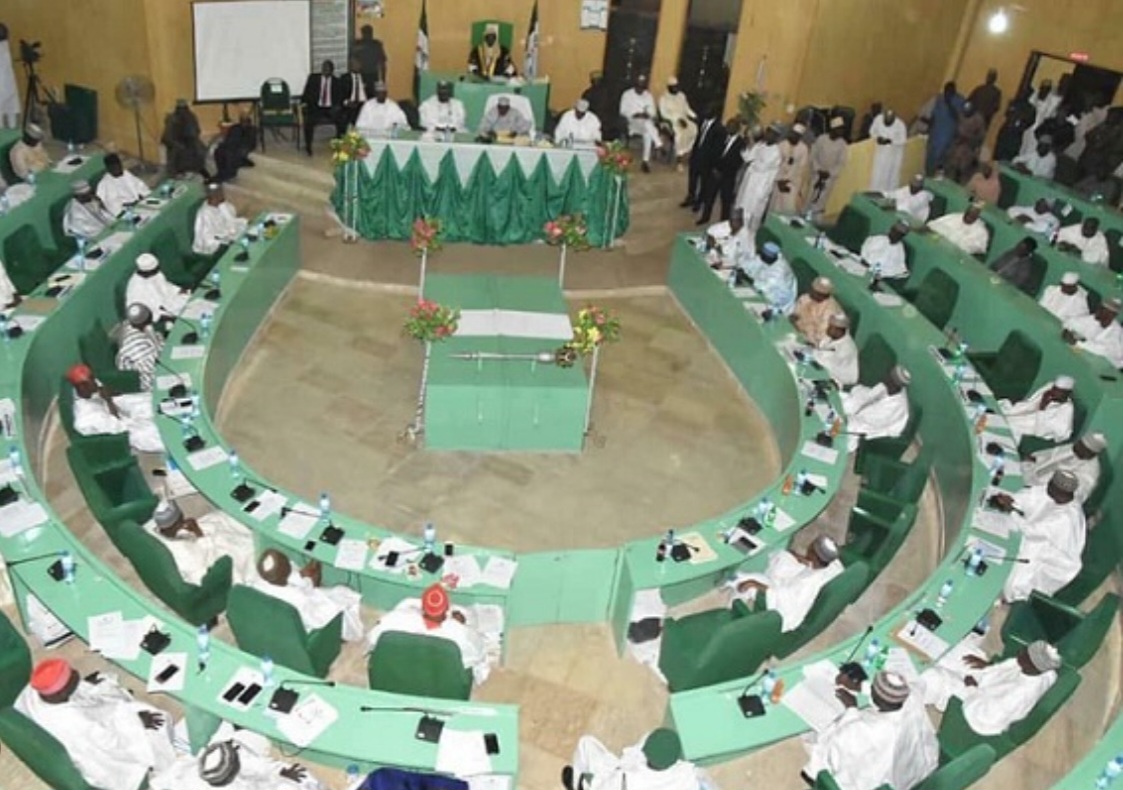
The proposal was contained in a correspondence read by the Speaker of the House, Jibril Isma’il Falgore, during plenary in Kano.
Read also: Yusuf Datti Sworn In as Dawakin Kudu Lawmaker, Pledges Effective Representation
According to the correspondence, Governor Yusuf said the proposed supplementary budget was necessitated by a shortfall in revenue accruing to the state from the Federation Account following the implementation of the new tax law.
He explained that the state had anticipated increased receipts from the Federation Account, including Value Added Tax, but said some revenues, including signature bonuses, exchange differences and NNPC refunds, remained with the Federal Government.
Under the proposal, the state plans to finance the supplementary budget with N45 billion opening balance, N753.44 billion recurrent revenue and N402.82 billion capital receipts, providing a total of N1.201 trillion for the supplementary appropriation.

Read also: FG Targets Rural, Underserved Youths With Data Bank
The proposed expenditure comprises N390.31 billion for recurrent expenditure and N810.95 billion for capital expenditure.
A breakdown of the recurrent expenditure shows that N169.96 billion is earmarked for personnel costs, N195.21 billion for overheads and N24.62 billion for debt servicing.
The governor also proposed a new partnership arrangement between the state and local governments aimed at promoting economic growth and development.
According to him, the arrangement would enable jointly generated revenue by the state and local governments to be captured and deployed to finance selected development projects.
Read also: CBN Takes Naira Protection Campaign to Kano Markets
Governor Yusuf urged the lawmakers to consider and approve the proposed supplementary budget expeditiously, citing Section 122(a) and (b) of the 1999 Constitution, as amended.
The House subsequently referred the proposed supplementary and amendment budget to the relevant committee for further legislative consideration.