


Khadijah Aliyu-Nigeria
The Regional Director of Programs for West Africa at Amref Health Africa, Ms. Ida Rose Ndione, has called on African governments to strengthen domestic health financing and improve the efficiency of resource utilization to safeguard healthcare systems against growing global uncertainties.
Read also: Yobe Loses Twin Healthcare Professionals Within 48 Hours
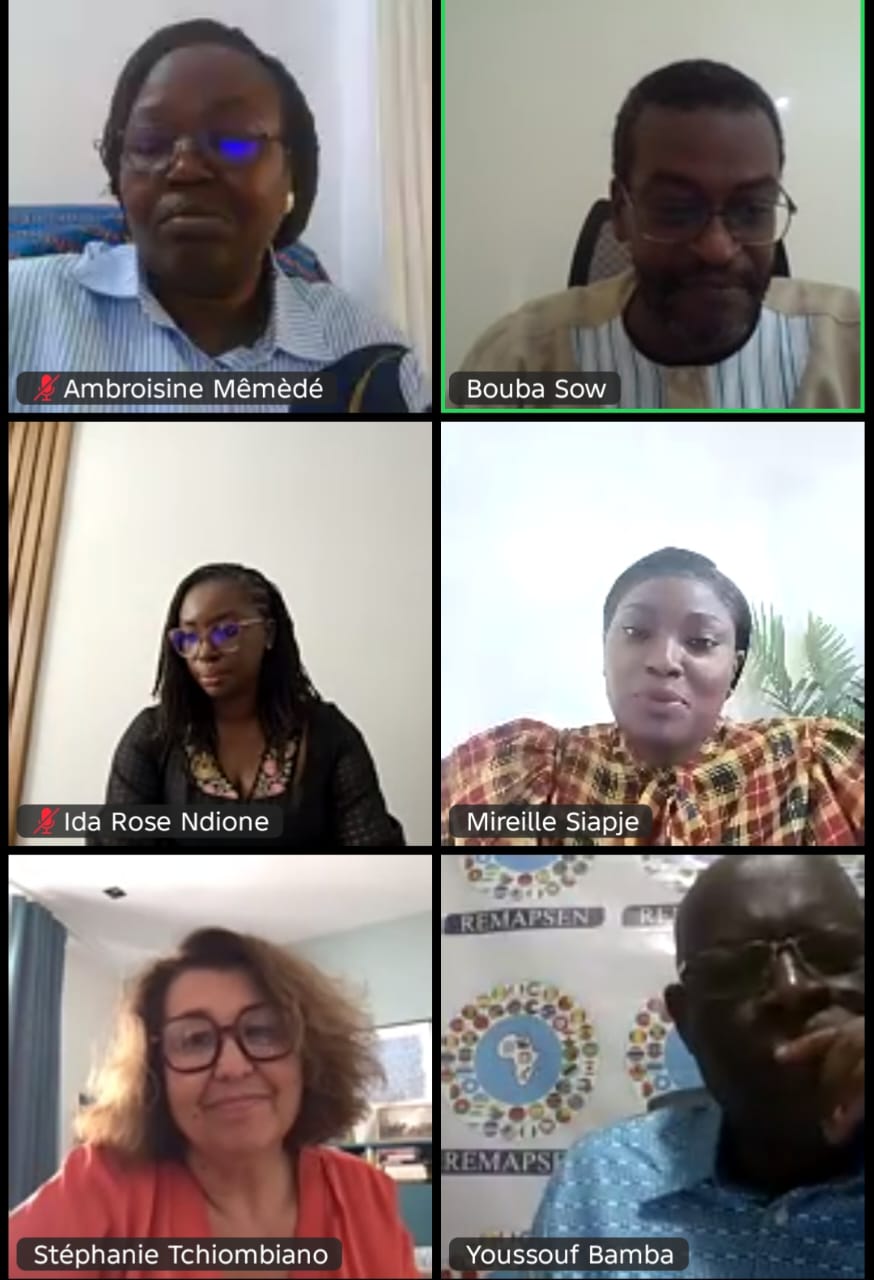
Ndione made the call during a webinar organized by the African Media Network for the Promotion of Health and Environment (REMAPSEN), where she examined the implications of shifting global health geopolitics on African countries, with particular emphasis on Senegal.
KSCHMA Drives Accountability Reform in Kano Healthcare System
Speaking during a session moderated by Mireille Siapje, Editor-in-Chief of Echos Santé in Cameroon and REMAPSEN Cameroon Health Focal Point, Ndione said recent changes in international health financing, particularly the suspension of some U.S. funding mechanisms, have highlighted the vulnerability of African health systems that depend heavily on external support.

She noted that Senegal, like many African countries, is currently implementing reforms under its “Senegal 2050 National Transformation Agenda” and a new health sector policy framework for 2025–2029. However, she warned that declining international assistance threatens the full implementation of these ambitious development plans.
According to Ndione, households continue to shoulder the largest share of healthcare costs in Senegal, accounting for approximately 45 to 46 percent of total health expenditure, while government funding contributes only about 21 percent. Development partners provide nearly a quarter of health financing, underscoring the continued reliance on external support.
She expressed concern over declining public investments in the health sector, revealing that Senegal’s health budget has experienced a downward trend between 2020 and 2025. Despite commitments under continental and global health frameworks, health spending has remained below recommended levels in recent years.
Ndione stressed that inefficiencies in resource management further compound funding challenges, citing estimates from the World Health Organization suggesting that between 20 and 40 percent of health resources are lost due to poor planning, delayed budget implementation, weak accountability mechanisms, and inefficient expenditure systems.
To address these challenges, she advocated for a people-centered and integrated healthcare approach that enables patients to access multiple services through a coordinated system rather than fragmented vertical programmes.
Read also: ECOWAS, AU Seal Pact to Boost Africa’s Security Response
She also emphasized the need for stronger partnerships with the private sector through public-private partnerships, corporate social responsibility initiatives, and innovative financing mechanisms capable of supporting sustainable healthcare delivery.
The Amref official identified pooled procurement of medicines and health commodities as another critical strategy for West African countries, arguing that collective purchasing could reduce costs and improve access to essential healthcare products, including vaccines.
She further highlighted the importance of digitizing health systems to improve decision-making, strengthen data management, enhance transparency, and optimize the use of limited resources. Senegal, she noted, has already begun piloting programmes aimed at achieving full digitization of health and social services.
Ndione called for greater investment in preventive healthcare, saying African health systems have historically focused more on treatment than disease prevention. She argued that promoting healthy lifestyles and addressing health risks before they develop into illnesses would significantly reduce long-term healthcare costs.
She also highlighted the need to strengthen local pharmaceutical manufacturing, improve governance across the health sector, enhance public health security, and ensure the continuous availability of life-saving medicines, particularly in underserved communities.
Another major concern raised during the presentation was the migration of healthcare professionals from Africa to wealthier countries. Ndione said improving working conditions and retaining skilled health workers must become a priority if African countries are to achieve universal health coverage.
She urged governments, local authorities, development partners, and private-sector stakeholders to adopt a collective approach to health financing and service delivery, stressing that health should not be viewed solely as the responsibility of ministries of health.
According to her, stronger domestic resource mobilization, improved accountability, strategic procurement systems, and better coordination among stakeholders will be crucial in helping African countries meet their health targets under the Sustainable Development Goals by 2030.
Read also: 25 Passengers, 7 Crew Members Aboard Crashed Military Plane — Keyamo
Africa Faces New Global Health Geopolitics Amid U.S. Policy Shift, Expert Warns
Ndione emphasized that while significant challenges remain, African countries possess the ambition and capacity to transform their healthcare systems if available resources are used more efficiently and health remains a priority at all levels of governance.