

The Federal Government has officially launched Nigeria’s Digital Switch Over (DSO) platform, describing it as a strategic investment that will drive job creation, stimulate local content production, expand the creative industry and contribute significantly to national economic growth.
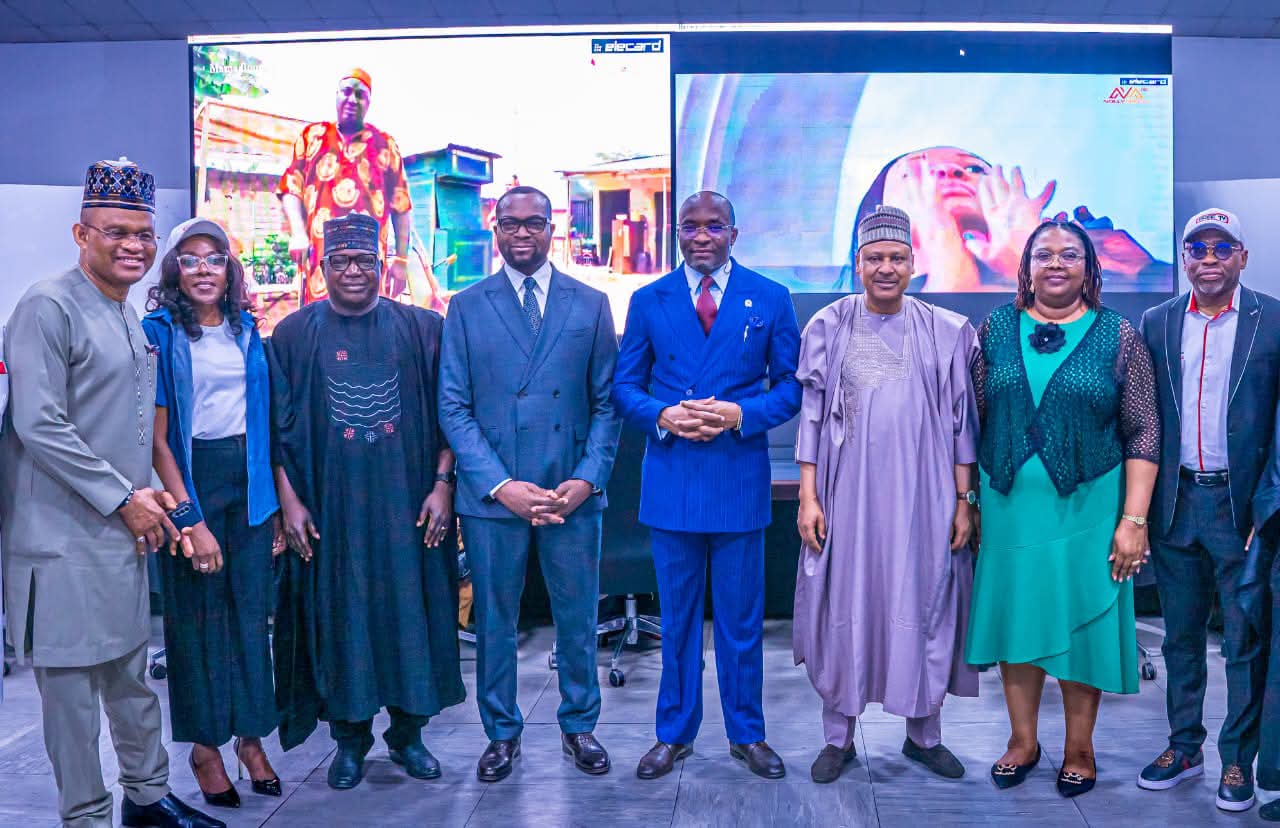
The Minister of Information and National Orientation, Mohammed Idris, made this known on Wednesday during the official launch of the DSO platform at the headquarters of the Nigerian Communications Satellite Limited (NIGCOMSAT) in Abuja.
Read also: Nigeria Moves to Cut Air Travel Costs Through ECOWAS Reform
Nigeria Ready For Nationwide Digital Switch Over-Minister
According to the Minister, the successful implementation of the DSO ecosystem will generate employment opportunities, promote local manufacturing, expand audience reach, strengthen content production, increase advertising opportunities and unlock new revenue streams for broadcasters and content creators.
“A fully implemented DSO ecosystem will create jobs, stimulate local manufacturing, expand audience reach, strengthen content production, increase advertising opportunities, and unlock new revenue streams for broadcasters and content creators,” Idris said.
He described the launch as a major milestone in Nigeria’s broadcasting history and a reflection of President Bola Ahmed Tinubu’s commitment to digital transformation, economic growth, innovation and the development of critical national infrastructure under the Renewed Hope Agenda.
The Minister noted that the Digital Switch Over project goes beyond a technological transition, describing it as a critical step toward modernising Nigeria’s broadcasting industry and building a more connected, competitive and prosperous nation.
Idris disclosed that extensive consultations were held with stakeholders across the broadcasting value chain before the launch, including broadcasters, signal distributors, set-top box manufacturers, content producers, NIGCOMSAT, DigiTeam, the Broadcasting Organisations of Nigeria (BON), the Advertising Regulatory Council of Nigeria (ARCON), and other industry players.
He said stakeholders reaffirmed their commitment to the successful implementation of the programme despite varying perspectives on some aspects of its execution.
Addressing concerns over the implementation model, the Minister explained that the DSO initiative is designed to expand access through multiple technology platforms rather than replace existing systems.
According to him, Nigeria is pursuing a hybrid broadcasting model that combines Digital Terrestrial Television (DTT), Direct-to-Home satellite delivery and digital application-based platforms.
Read also: NASRDA Deploys Technology to Monitor Earthquakes in Nigeria
He further reaffirmed the Federal Government’s commitment to promoting indigenous technology, supporting local manufacturers and ensuring that Nigerian creativity remains at the centre of the broadcasting ecosystem.
“The DSO must create opportunities for Nigerian businesses, Nigerian innovators and Nigerian workers,” he stated.
Also speaking at the event, the Minister of Communications, Innovation and Digital Economy, Dr. Bosun Tijani, described the DSO as a major milestone in Nigeria’s digital transformation journey.
He said the initiative aligns with President Tinubu’s vision of building a one-trillion-dollar economy through investments in critical digital infrastructure.
Dr. Tijani revealed that the government plans to deploy 90,000 kilometres of fibre-optic infrastructure nationwide and has secured presidential approval for the launch of two additional satellites to strengthen Nigeria’s communications capacity.
In separate remarks, the Director-General of the National Broadcasting Commission (NBC), Charles Ebuebu, and the Managing Director and Chief Executive Officer of NIGCOMSAT Limited, Jane Egerton-Idehen, described the launch as the beginning of a new era in Nigeria’s broadcasting sector.
Ebuebu said the platform represents more than a television service, describing it as a national communications architecture designed to expand access to information, education and digital opportunities for all Nigerians.
On her part, Egerton-Idehen said the platform, powered by NIGCOMSAT’s satellite infrastructure, would help bridge connectivity gaps while creating new opportunities for content creators, broadcasters, manufacturers, investors and technology providers.
The Deputy Speaker of the House of Representatives, Benjamin Okezie Kalu, who attended as Special Guest of Honour, described the launch as a significant national achievement that demonstrates the value of collaboration between government and industry stakeholders.
He noted that the initiative would expand access to quality broadcasting services, create jobs, attract investment and unlock opportunities across Nigeria’s media and creative sectors.
Read also: Beyond Promises: Can Nigeria’s New Strategy End Child Marriage in the North?
The Substance, Symbolism of President Tinubu’s UK State Visit
The event attracted top government officials and stakeholders from the broadcasting and communications industries, including permanent secretaries, heads of government media organisations, regulatory agencies and industry leaders.