


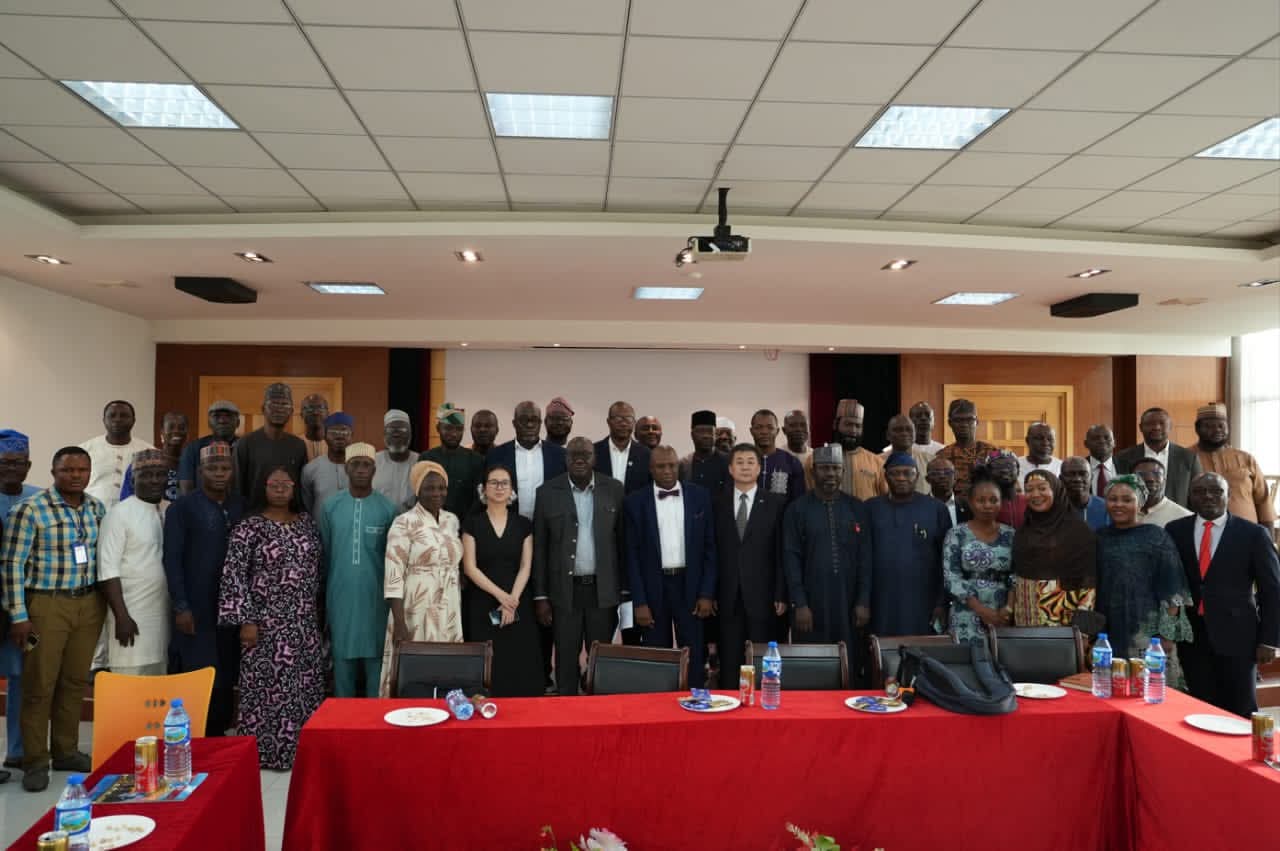
The Institute for Peace and Conflict Resolution (IPCR) has participated in a high-level policy dialogue in Abuja that brought together diplomats, policymakers, scholars, and development experts to examine how governance experiences and knowledge-sharing can strengthen Nigeria–China relations and support sustainable development.
The event, organised by the Centre for China Studies, focused on lessons from China’s development journey and explored strategies for enhancing governance, promoting economic growth, and fostering social cohesion.
Read also: Affordable Housing: FG Advances 10,000 Units Across Nigeria
Participants discussed key elements of China’s development experience, including long-term planning, poverty reduction, environmental sustainability, and institutional effectiveness. The dialogue emphasized the importance of adapting governance models to local realities while promoting mutual respect, collaboration, and continuous learning.
Representing the IPCR and the China–Africa Research Desk, Olalekan Babatunde highlighted the expanding scope of cooperation between Nigeria and China across critical sectors such as infrastructure, energy, technology, media development, and digital connectivity.
He noted that strategic planning, national unity, and inclusive governance remain essential pillars for achieving sustainable development and long-term national progress.

Read also: ABU SPESSE-CE Graduates 420 in Sustainability Training
A major focus of the discussions was the role of social cohesion and collective purpose in driving national transformation. Participants observed that unity, resilience, and a shared long-term vision have played significant roles in China’s development achievements and could offer valuable lessons for countries seeking inclusive and peaceful growth.
For the IPCR, the dialogue reinforced the importance of strengthening institutions, promoting social cohesion, preventing conflict, and supporting evidence-based policymaking as critical components of sustainable development.
Stakeholders also underscored the need for increased collaboration and exchanges among researchers, academics, policymakers, and development practitioners to deepen mutual understanding and foster stronger partnerships.
Read also: Federal Universities Get Green Light to Recruit Staff
The participants agreed that enhanced cooperation, knowledge-sharing, and institutional capacity building would contribute significantly to advancing the shared objectives of peace, stability, prosperity, and sustainable development in both Nigeria and China.
The dialogue concluded with a renewed commitment to promoting constructive engagement and leveraging international partnerships to address development challenges while strengthening governance systems and social harmony.