


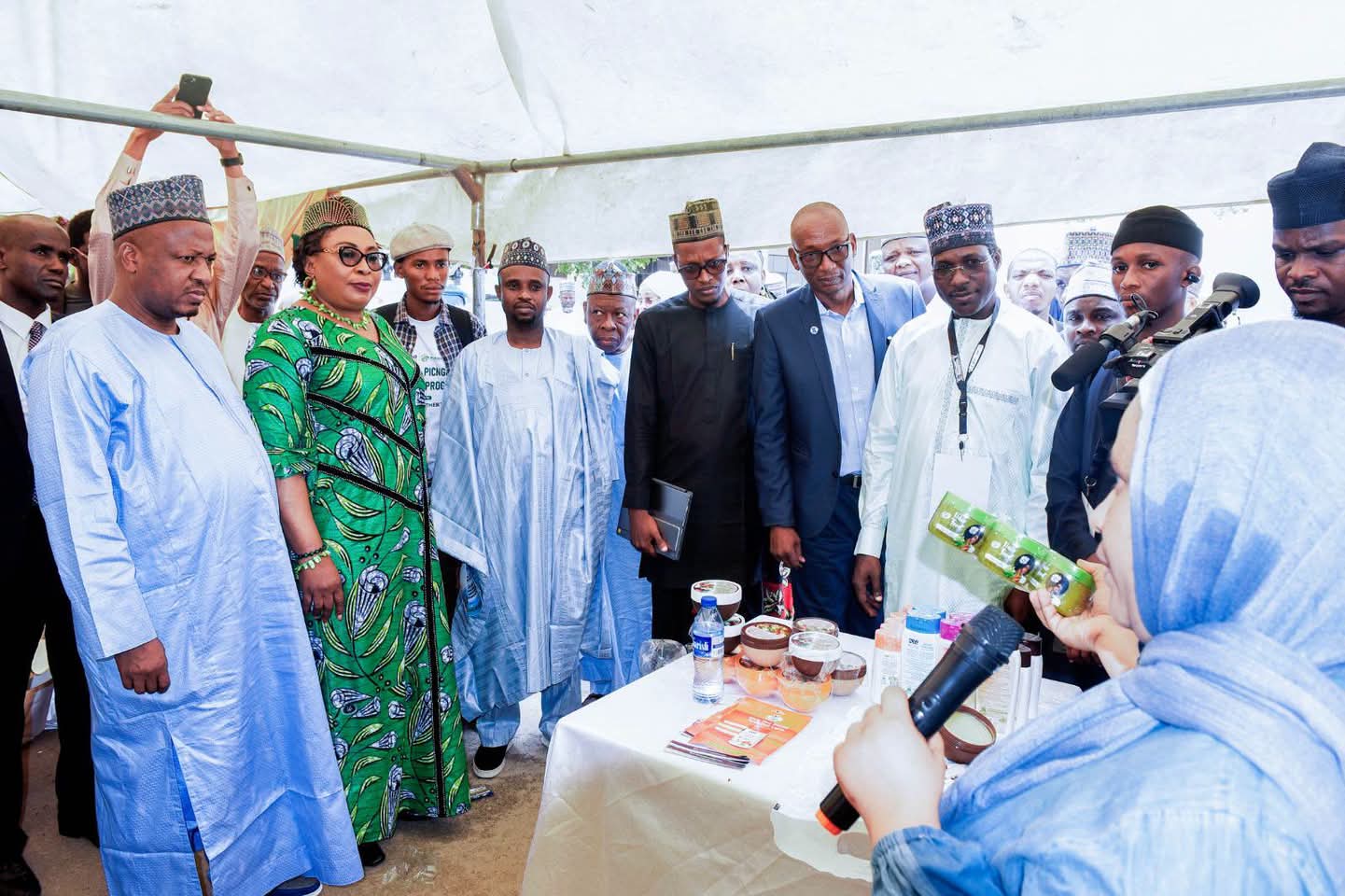
Bayero University Kano (BUK), through its Directorate of Research, Innovation and Partnership (DRIP), has hosted its maiden National Conference and Exhibition on Research and Development, with stakeholders calling for stronger collaboration among academia, industry, and government to accelerate innovation, research commercialisation, and sustainable national development.
Declaring the conference open, the Vice-Chancellor, Professor Haruna Musa, described the event as a landmark initiative in the university’s commitment to transforming research outcomes into practical solutions capable of addressing societal challenges and driving economic growth.
Read also: Train Smashes Car in Lagos, Driver Escapes Unhurt
Professor Musa said the conference reflects Bayero University’s determination to bridge the gap between research and industry by creating a platform where innovative ideas, technologies, and discoveries can attract strategic partnerships, investment, and commercialization opportunities.
He expressed optimism that the conference would herald a new era of research commercialisation, innovation, entrepreneurship, and industry collaboration at Bayero University Kano and across Nigeria’s higher education sector.
He noted that the exhibition component of the conference showcased a wide range of prototypes, innovations, and investable ideas developed by researchers, demonstrating the university’s growing capacity to contribute to technological advancement and economic transformation.
Read also: Adamawa in Mourning as 2nd Fufore LG Chairman Dies in 18 Months
Earlier in her welcome address, the Deputy Vice-Chancellor, Research and Development, Professor Amina Mustapha, explained that the conference was conceived to reposition research as a catalyst for economic value creation, innovation, and sustainable development.
According to her, the gathering brought together researchers, industry leaders, policymakers, development partners, and investors who share a common vision of strengthening Nigeria’s research and innovation ecosystem.
Also speaking, the Director of the Directorate of Research, Innovation and Partnership (DRIP), Professor A. S. Arabi, highlighted the significance of the Triple Helix Model, which promotes collaboration among universities, industry, and government as a framework for advancing research, innovation, and national development.
Read also: Nigeria’s Development at Risk Without Girls’ Education- UNICEF
A major highlight of the conference was the exhibition of research outputs, prototypes, innovative technologies, and investable ideas developed by researchers and industry partners, highlighting the growing emphasis on translating research into tangible socio-economic benefits.
Several papers were presented at the conference both physical and virtual.